
Oaxaca to Puerto Escondido: All Transport Options
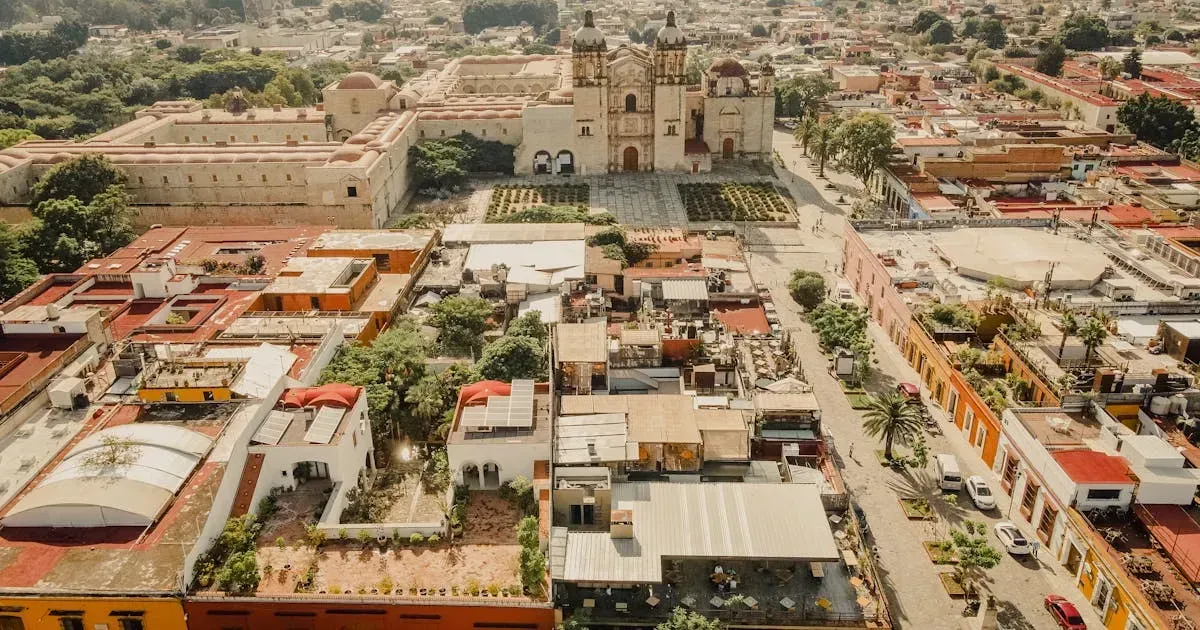
Getting from Oaxaca City to Puerto Escondido is one of the most common journeys in the state. The mountain capital sits at 1,550 meters (5,085 feet), while the surf town lies at sea level roughly 250 kilometers (155 miles) to the south. Between them stands the Sierra Madre del Sur, making this short distance feel much longer than expected.
There are multiple ways to make the trip. This guide covers every option so you can choose based on your budget, time, and comfort preferences.
Quick Comparison Table
Before diving into the details, here is a summary of the main transport options:
- Flight: 45 minutes to 1 hour, 1,500 to 4,000 MXN (90 to 235 USD)
- Overnight bus (first class): 10 to 12 hours, 600 to 900 MXN (35 to 55 USD)
- Shared van (suburban/sprinter): 6 to 7 hours, 400 to 600 MXN (23 to 35 USD)
- Driving yourself: 6 to 8 hours depending on route, variable fuel costs
- Private transfer: 5 to 7 hours, 4,000 to 7,000 MXN (235 to 410 USD) per vehicle
Option 1: Flying from Oaxaca to Puerto Escondido
Flying is the fastest and most comfortable way to travel between Oaxaca City and Puerto Escondido. What would take six to twelve hours by land can be covered in under an hour in the air.
Airlines and Routes
Several airlines operate flights on this route, though schedules and frequency change seasonally. Aerotucán and VivaAerobus have historically served this corridor, with small turboprop aircraft or narrow-body jets making the short hop over the mountains.
Puerto Escondido’s airport (PXM) is a small facility located about 4 kilometers (2.5 miles) west of the town center. It has expanded in recent years to accommodate growing tourist traffic, and there are now direct flights connecting Puerto Escondido to Mexico City and other destinations as well.
Oaxaca’s Xoxocotlan International Airport (OAX) is the departure point, located about 7 kilometers (4.3 miles) south of the city center.
Flight Duration and Frequency
The flight itself takes approximately 45 minutes to 1 hour, depending on the aircraft and weather conditions. Flights typically operate once or twice daily, with more frequent service during the high season (November through April) and holiday periods.
Cost
One-way tickets generally range from 1,500 to 4,000 MXN (approximately 90 to 235 USD), depending on the airline, how far in advance you book, and the time of year. Booking three to four weeks ahead usually secures the best prices. During peak periods like Christmas, Semana Santa, and the summer holidays, prices can spike significantly.
Pros
- By far the fastest option
- Avoids the winding mountain roads entirely
- Comfortable and convenient for travelers with limited time
- Good for those prone to motion sickness on curvy roads
Cons
- Most expensive transport option
- Limited flight schedules — if you miss your flight, the next one may not be until the following day
- Small aircraft can be affected by weather delays, particularly during the rainy season
- Baggage allowances on smaller planes may be restrictive
- You miss the scenic journey through the mountains
Option 2: Overnight Bus (First Class)
The overnight bus is the most popular option among budget-conscious travelers and those who want to save a night of accommodation costs. You board in the evening in Oaxaca City and wake up on the Pacific coast.
Bus Companies
The primary first-class bus company operating this route is OCC (part of the ADO group). They run modern, comfortable buses with reclining seats, air conditioning, onboard restrooms, and sometimes Wi-Fi. Second-class options also exist through companies like Estrella del Valle, but the comfort difference makes the first-class fare well worth the extra cost.
Route and Duration
The bus follows the longer but better-maintained Highway 131 through the Sierra Madre del Sur, passing through towns like Sola de Vega. This route covers approximately 310 kilometers (193 miles) and takes 10 to 12 hours depending on road conditions and the number of stops.
The road is extremely winding with hundreds of curves as it descends from the highlands through cloud forests and tropical lowlands. If you are prone to motion sickness, take medication before departure — the curves are relentless.
Schedule and Boarding
Most overnight buses depart from the Oaxaca City first-class bus terminal (Terminal de Autobuses de Primera Clase) on Calzada Niños Heroes de Chapultepec. Departures are typically in the late evening, around 9:00 or 10:00 PM, with arrival in Puerto Escondido between 6:00 and 8:00 AM.
There are also daytime departures if you prefer to see the scenery, though the mountain views are often obscured by fog and clouds, especially during the rainy season.
Cost
First-class tickets cost between 600 and 900 MXN (approximately 35 to 55 USD) one way. You can purchase tickets online through the ADO website or app, at the bus terminal, or at ADO ticket offices (including one inside the OXXO convenience stores in some locations). Buying online a few days ahead is advisable during holidays and weekends.
Pros
- Very affordable
- Saves a night of hotel costs
- Comfortable seats that recline significantly
- No need to navigate mountain roads yourself
- Departures are reliable and well-organized
Cons
- Very long travel time (10 to 12 hours)
- Extremely curvy road can cause severe motion sickness
- Difficult to sleep well on the bus despite the reclining seats
- Limited departures per day
- You arrive early in the morning, and your hotel room may not be ready
Tips for the Overnight Bus
Take motion sickness medication 30 minutes before boarding. Bring a neck pillow, blanket, and earplugs — the air conditioning can be aggressive. Keep valuables on your lap and have a light meal before departure.
Option 3: Shared Van (Suburban or Sprinter)
Shared vans, often called “suburbans” or “sprinters” depending on the vehicle type, have become increasingly popular for the Oaxaca to Puerto Escondido route. They are faster than the bus because they take a more direct route and make fewer stops.
How It Works
Several van services operate from the Oaxaca City area, picking up passengers at designated meeting points or hotels. Vans typically seat 10 to 15 passengers and depart when full or at scheduled times throughout the day, with most departures concentrated in the morning and early afternoon.
Route and Duration
Most vans take the shorter Highway 175 through the Sierra Juarez and then connect to Highway 131 or continue through the mountains to the coast. The total travel time is approximately 6 to 7 hours, though this can vary depending on road conditions, weather, and the specific route the driver takes.
The mountain roads are even more winding on this route than the bus route, and the vans move faster, which can intensify motion sickness. On the positive side, the scenery is spectacular — misty cloud forests, dramatic gorges, and tiny mountain villages clinging to impossibly steep hillsides.
Cost
Shared van services typically cost between 400 and 600 MXN (approximately 23 to 35 USD) per person. Prices may be slightly higher during peak travel periods.
Booking
You can book van services through travel agencies in Oaxaca City, at your hotel or hostel, or directly with the van operators. Some services can be booked online, but many still operate on a walk-up or phone-reservation basis. Your accommodation can usually arrange this for you with a day’s notice.
Pros
- Significantly faster than the bus
- More affordable than flying
- Door-to-door service (some operators offer hotel pickup and drop-off)
- Departures throughout the day
- You get to see the stunning mountain scenery
Cons
- Can be cramped, especially in fully loaded vans
- Motion sickness is a serious concern on the winding roads
- Less comfortable than a first-class bus
- Quality and safety standards vary between operators
- Limited luggage space
Option 4: Driving Yourself
Renting a car and driving from Oaxaca City to Puerto Escondido gives you complete flexibility. You can stop wherever you want, explore villages along the way, and travel on your own schedule. However, the drive is not for the faint of heart.
Route Options
There are two main routes:
Highway 131 via Sola de Vega (longer but better maintained): This is the route the buses take. It covers approximately 310 kilometers (193 miles) and takes 7 to 8 hours of driving time. The road is paved the entire way and in generally good condition, though it is narrow and winding through the mountains. This is the recommended route for first-time drivers.
Highway 175 via San Jose del Pacifico (shorter but more challenging): This route is approximately 260 kilometers (162 miles) and can be driven in 6 to 7 hours under good conditions. It passes through the beautiful mountain town of San Jose del Pacifico, which sits at 2,400 meters (7,874 feet) elevation and is famous for its cloud forest setting and stunning views. However, the road is narrower, steeper, and more winding than Highway 131, with some sections in poor condition, especially during the rainy season.
Fuel Costs
A standard sedan or compact SUV will use approximately 25 to 35 liters of gasoline for the trip. At current fuel prices of around 23 to 25 MXN per liter, expect to spend roughly 600 to 875 MXN (approximately 35 to 50 USD) on fuel one way.
Gas stations are available along both routes but can be spaced far apart in the mountain sections. Fill up in Oaxaca City before you depart, and top off whenever you pass a station.
Car Rental
Car rental agencies in Oaxaca City include international chains like Hertz, Europcar, and Alamo, as well as local companies. Daily rates for a compact car start at around 800 to 1,200 MXN (approximately 45 to 70 USD) per day. Make sure your rental agreement allows you to take the vehicle to Puerto Escondido, as some companies have restrictions on certain routes.
If you plan to return the car in Puerto Escondido, check whether the rental company charges a one-way drop-off fee, which can add 1,500 to 3,000 MXN (approximately 90 to 175 USD) to the total cost.
Pros
- Complete freedom and flexibility
- Can stop at scenic viewpoints, villages, and roadside restaurants
- Useful if you want to explore the coast at your own pace once you arrive
- Can be cost-effective for groups of three or four people splitting the expenses
Cons
- The mountain roads are challenging, with steep grades, sharp curves, and no guardrails in many sections
- Fog and rain can reduce visibility to near zero, especially on Highway 175
- Not recommended for night driving — there is no road lighting, and livestock sometimes wander onto the road
- Risk of landslides during the rainy season (June through October)
- Tiring drive that requires sustained concentration
Driving Safety Tips
- Drive only during daylight hours, departing by 7:00 or 8:00 AM
- Keep headlights on for visibility in fog and honk before blind curves
- Carry water, snacks, and download offline maps — cell service is spotty in the mountains
- During the rainy season, check road conditions before departing
Option 5: Private Transfer
A private transfer is the premium option for travelers who want the convenience of door-to-door service without the stress of driving or sharing space with strangers.
How It Works
Several companies and independent drivers offer private transfer services between Oaxaca City and Puerto Escondido. You are picked up at your hotel or a designated meeting point in a comfortable vehicle (typically a Suburban or similar SUV) and driven directly to your destination. Most drivers are experienced with the mountain roads and know the route well.
Duration and Cost
The trip takes approximately 5 to 7 hours depending on the route and conditions. Prices range from 4,000 to 7,000 MXN (approximately 235 to 410 USD) per vehicle (not per person), making this option reasonable for groups of three to four people splitting the cost.
Booking
Private transfers can be arranged through your hotel, local travel agencies, or online platforms. Book at least a few days in advance, especially during the high season.
Pros
- Door-to-door convenience
- Comfortable vehicle with space for luggage
- Experienced driver who knows the roads
- Can stop for photos, meals, or bathroom breaks
- Reasonable per-person cost when shared among a group
Cons
- Most expensive option if traveling solo or as a couple
- Still a long drive on winding mountain roads
- Quality varies between operators
Which Option Should You Choose?
The right choice depends on your priorities:
Once you arrive, check out the best things to do in Puerto Escondido and the surfing guide if you plan to hit the waves.
Choose the flight if: You have limited time, a moderate to generous budget, or a strong aversion to winding mountain roads. The flight saves you an entire day of travel and delivers you to the coast rested and ready to enjoy Puerto Escondido.
Choose the overnight bus if: You are on a tight budget and want to save on a night of accommodation. The bus is reliable, reasonably comfortable, and gets the journey done while you sleep (or try to).
Choose the shared van if: You want a balance of speed and affordability, and you can handle six to seven hours of curvy mountain roads. The daytime scenery is a bonus.
Choose driving if: You are an experienced driver comfortable with mountain roads, you want the flexibility to explore en route, or you are traveling in a group and want to keep costs down while having your own vehicle on the coast.
Choose a private transfer if: You want comfort and convenience without driving, especially if you are traveling with a group to split the cost.
Practical Tips for Any Option
Motion Sickness Preparation
Regardless of how you travel by land, the mountain roads between Oaxaca City and Puerto Escondido are exceptionally curvy. Even travelers who never experience motion sickness in other situations can find themselves struggling on this route. Stock up on Dramamine or its Mexican equivalent (available at any pharmacy in Oaxaca City without a prescription) and take it 30 to 60 minutes before departure.
What to Pack for the Journey
- Layers of clothing — the temperature drops significantly in the mountains (it can be 10 degrees Celsius or 50 degrees Fahrenheit at the highest elevations) before warming up dramatically as you descend to the coast
- Water and light snacks
- Entertainment for the long ride (downloaded music, podcasts, or movies)
- Motion sickness medication
- Cash in small denominations for tolls, tips, and roadside purchases
- A light jacket or sweater for the air-conditioned bus
Arriving in Puerto Escondido
If you arrive by bus, the terminal is on the upper highway (Carretera Costera), and you will need a taxi to reach most hotels. Vans and private transfers can drop you directly at your accommodation. The main neighborhoods are Playa Zicatela (surf and backpacker scene), La Punta (trendy and laid-back), Playa Carrizalillo (calm turquoise water), and Rinconada (quieter, residential). See our complete Puerto Escondido travel guide for details on each area.
Return Trip
All options work in reverse. If flying out of Oaxaca City internationally, give yourself a buffer day — mountain road delays and weather-related flight cancellations are uncommon but possible.
The journey between Oaxaca City and Puerto Escondido showcases the dramatic geographic diversity that makes Oaxaca extraordinary — from temperate highland valleys, through misty cloud forests, to the sun-drenched Pacific coast.
More helpful guides: