
Is Oaxaca Safe? Honest Safety Guide for Tourists (2026)
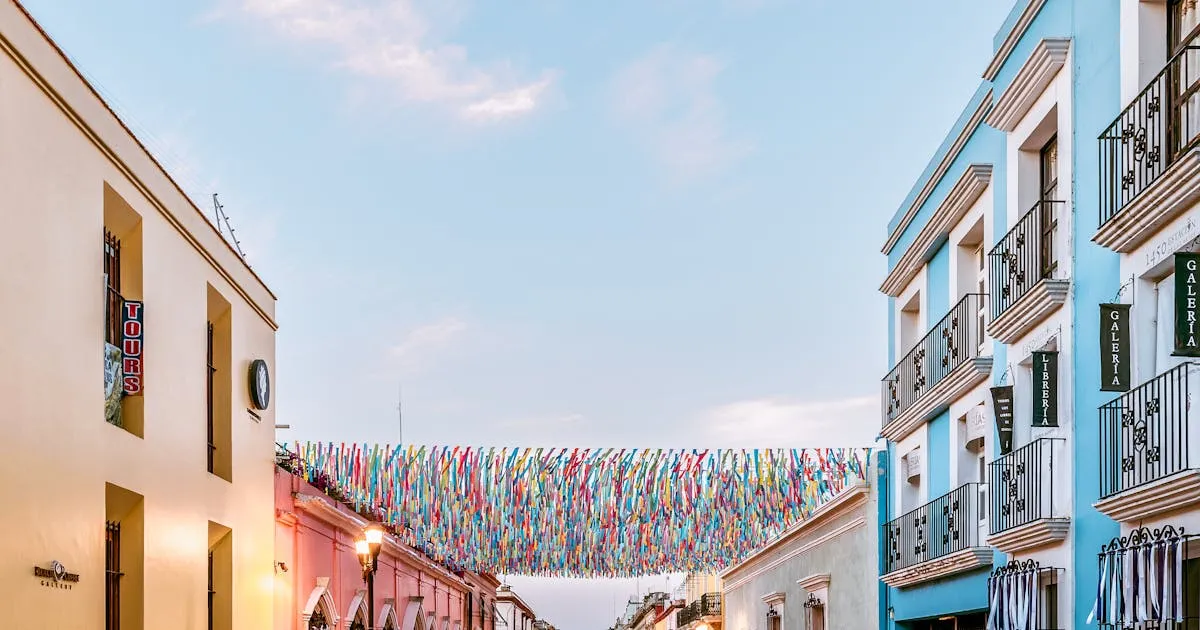
“Is Oaxaca safe?” is one of the most common questions travelers ask before booking a trip to southern Mexico. The short answer is yes — Oaxaca City is widely considered one of the safest destinations in Mexico for tourists, and millions of visitors enjoy the city and surrounding state each year without incident. But like any travel destination, it helps to understand the local context, know which precautions to take, and separate reality from sensationalized headlines.
This guide provides an honest, detailed look at safety in Oaxaca based on current conditions, local knowledge, and the experiences of both residents and travelers.
Overall Safety in Oaxaca
Oaxaca City consistently ranks among the safest cities in Mexico in both government statistics and traveler surveys. Violent crime rates are significantly lower than in northern border cities and popular beach destinations like Cancún and Los Cabos. The historic center is heavily patrolled by municipal and tourist police, and the local economy depends heavily on tourism, which creates strong community incentive to maintain a safe environment.
The U.S. State Department assigns Oaxaca state a Level 2 travel advisory (“Exercise Increased Caution”), which is the same level given to popular European destinations like France and the United Kingdom. By comparison, several other Mexican states carry Level 3 (“Reconsider Travel”) or Level 4 (“Do Not Travel”) advisories.
That said, no destination is risk-free. Petty crime like pickpocketing does occur, particularly in crowded markets. And there are occasional political demonstrations in the Zócalo that can disrupt traffic and access to the city center. Understanding these realities allows you to prepare appropriately and enjoy your trip with confidence.
Neighborhood Safety Breakdown
Centro Histórico — Very Safe
The colonial core of Oaxaca City is where most tourists spend their time, and it is very safe both day and night. The Zócalo, Andador Turístico (pedestrian walkway along Macedonio Alcalá), and the streets surrounding Santo Domingo are well-lit, well-patrolled, and bustling with activity until late in the evening. You will see families, couples, and solo travelers walking comfortably after dark.
Jalatlaco — Very Safe
This trendy neighborhood just east of the center has become a favorite among travelers for its colorful streets, coffee shops, and mezcal bars. It has a strong community feel, and the streets are generally quiet and safe, even late at night. Walking between Jalatlaco and the center takes about 10-15 minutes on well-traveled routes.
Xochimilco — Safe
North of the center, Xochimilco is a residential neighborhood that sees growing tourist traffic. It is safe during the day and evening, though it is quieter than the center after dark. Stick to main streets if walking back to your accommodation late at night.
Reforma — Safe
West of the center, Reforma is a primarily residential area that is safe for walking during daytime and early evening. It has fewer tourists, so you may attract more attention, but the neighborhood is not considered dangerous.
Areas to Approach with Caution
Like any city, Oaxaca has neighborhoods on the outskirts that are less tourist-friendly. Areas farther from the center, particularly to the south and west, may have less lighting and less police presence after dark. If you have no specific reason to visit these areas, stick to the central neighborhoods where the tourist infrastructure is strongest.
The area around the second-class bus station (Central de Abastos) can feel overwhelming during the day due to the sheer volume of people and commerce. It is not dangerous, but it is the place where pickpocketing is most commonly reported. Keep your belongings secure and be aware of your surroundings.
Common Scams and How to Avoid Them
Oaxaca does not have a major scam problem compared to larger tourist destinations, but being informed helps you avoid the few that do exist.
Taxi Overcharging
Oaxaca City taxis do not use meters. Fares are based on zones and should be agreed upon before you get in. A ride within the centro should cost 40-60 MXN ($2-3 USD). From the airport to downtown, the fare is around 200-250 MXN ($11-14 USD). If a driver quotes significantly more, politely decline and find another taxi. Uber and DiDi both operate in the city and provide transparent pricing.
Market Price Inflation
In tourist-heavy markets like Mercado Benito Juárez, some vendors may quote higher prices to foreign visitors. This is not a scam per se — it is normal negotiation culture. Politely bargaining is expected and accepted for handicrafts and souvenirs. For food, prices are generally posted and consistent.
Street Money Exchange
Never exchange money on the street. Use banks, official casas de cambio (exchange houses), or ATMs inside banks. ATMs at convenience stores (like OXXO) tend to have higher fees and lower withdrawal limits.
Fake Tour Guides
Occasionally, someone may approach you near Monte Albán or other archaeological sites offering unofficial guide services. While some are knowledgeable locals, others may provide inaccurate information or pressure you for large tips. For the best experience, book guides through your hotel, a reputable agency, or hire the official guides available at archaeological site entrances.
Mezcal “Tours” to Specific Shops
Some free or very cheap tours steer visitors to specific mezcal shops where guides earn commissions. The mezcal sold at these stops is not necessarily bad, but prices may be inflated. For genuine mezcal education, visit a palenque (artisanal distillery) in Santiago Matatlán or Sola de Vega on a properly organized day trip.
Solo Travel in Oaxaca
Oaxaca is one of the best destinations in Mexico for solo travelers. The city is compact and walkable, the local population is welcoming, and there is a well-established backpacker and digital nomad community that makes it easy to meet other travelers.
Tips for Solo Travelers
- Stay in the center or Jalatlaco. These are the best neighborhoods for visitors, offering the highest concentration of other travelers, social hostels, and walkable restaurants and bars.
- Join group activities. Cooking classes, mezcal tours, and walking tours are excellent ways to meet people. Many hostels organize communal dinners and events.
- Share your itinerary. Let someone back home know your plans, and check in regularly. Share your live location through your phone if it makes you feel more comfortable.
- Trust your instincts. If a situation feels wrong, remove yourself. This applies everywhere in the world.
Safety for Female Travelers
Oaxaca is popular among solo female travelers, and most report overwhelmingly positive experiences. The city’s walkability, friendly locals, and vibrant social scene make it a comfortable destination for women traveling alone.
Practical Advice
- Catcalling: Unfortunately, street harassment (piropos) does occur in Mexico, including Oaxaca. It is less common in the tourist center than in outer neighborhoods. The best response is generally to ignore it and keep walking.
- Night transportation: If you are out late, use Uber or DiDi rather than hailing a cab on the street. This provides a digital record of your trip and transparent pricing.
- Bars and nightlife: The mezcal bar scene in Oaxaca is generally relaxed and safe. As anywhere, watch your drink and avoid leaving it unattended.
- Dress code: Oaxaca is relatively conservative compared to beach towns. You will see locals dressed modestly, though tourists in typical travel clothing are not judged. Use your own comfort level as your guide.
- Trusted communities: Several online communities and social media groups cater specifically to solo female travelers in Oaxaca. These can be valuable for real-time advice, meetups, and recommendations.
Night Safety
The Centro Histórico and Jalatlaco remain lively and safe well into the night, especially on weekends when restaurants, bars, and the Zócalo are bustling until midnight or later. The Andador Turístico is well-lit and sees foot traffic until late.
General Night Safety Tips
- Stick to well-lit, populated streets.
- Avoid walking alone through parks or plazas that are empty after dark.
- Use rideshare apps for longer distances rather than walking through unfamiliar areas.
- Keep your phone in a front pocket or secure bag. Avoid walking while texting in poorly lit areas.
- If you are out drinking, pace yourself. Mezcal is strong, and altitude (1,550 meters / 5,085 feet) can intensify alcohol’s effects.
Road Safety
If you plan to rent a car and drive in Oaxaca state, be aware of the following:
Driving in the City
Oaxaca City’s streets are narrow, one-way, and congested. Unless you are heading out of town, walking and using taxis or rideshares is far more practical than driving. Parking is limited and stressful in the center.
Driving to Day Trip Destinations
The highways connecting Oaxaca City to Monte Albán, Mitla, Hierve el Agua, and the coast are generally well-maintained. However, mountain roads can be winding and steep, with occasional fog and limited shoulders. Drive during daylight hours whenever possible.
Speed Bumps (Topes)
Mexico is famous for its topes — speed bumps that appear with little or no warning. They are especially common at the entrances to small towns and villages. Some are painted and signed; others are not. Drive slowly when approaching any settlement.
Highway Checkpoints
Military and police checkpoints are common on highways throughout Oaxaca state. These are routine security measures. Remain calm, be polite, and have your identification and rental car documents ready. You will almost always be waved through after a brief check.
Driving at Night
Avoid driving on rural highways after dark. Road conditions can be unpredictable, and the risk of encountering animals, unmarked obstacles, or poorly lit vehicles increases significantly.
Health Tips
Altitude
Oaxaca City sits at 1,550 meters (5,085 feet). Most visitors do not experience significant altitude effects, but mild headaches, fatigue, or shortness of breath on stairs are possible during the first day or two. Drink plenty of water and avoid heavy alcohol consumption on your first day.
Water
Do not drink tap water in Oaxaca. This applies throughout Mexico. Hotels and restaurants use purified water, and bottled water is available everywhere. Ice in restaurants is made from purified water and is safe.
Food Safety
The street food and market food in Oaxaca is generally safe, especially at busy stalls with high turnover. A few common-sense rules: eat where the locals eat, choose stalls that are actively cooking rather than holding pre-made food, and avoid raw salads or unpeeled fruit from vendors you are unsure about. If you have a sensitive stomach, ease into street food gradually.
Sun and Heat
Even though Oaxaca’s altitude keeps temperatures moderate, the sun is strong. Apply sunscreen, wear a hat, and carry water — especially when visiting archaeological sites like Monte Albán, where there is very little shade.
Pharmacies
Farmacias are plentiful in Oaxaca City and carry a wide range of medications, many available without a prescription. For minor ailments, pharmacists can often recommend appropriate treatments. The “Farmacia del Ahorro” and “Farmacias Similares” chains are reliable and widespread.
Medical Care
For serious medical issues, Hospital Reforma (private) and Hospital Regional de Alta Especialidad (public) are the main facilities in Oaxaca City. Travel insurance with medical evacuation coverage is strongly recommended for any trip to Mexico.
Emergency Numbers
Keep these numbers saved in your phone:
- Emergency (police, fire, ambulance): 911
- Tourist Police (Oaxaca City): 951 516 0123
- U.S. Consular Agency in Oaxaca: 951 514 3054
- Canadian Emergency Consular Services: 1-613-996-8885 (collect calls accepted)
- LOCATEL (tourist assistance hotline): 078
- National Guard: 800 627 7326
The U.S. Consular Agency in Oaxaca is located at Macedonio Alcalá 407, in the heart of the tourist center. They can assist with lost passports, emergency situations, and citizen services.
Political Demonstrations
Oaxaca has a strong tradition of social and political protest. Demonstrations most commonly occur in the Zócalo and along major avenues, particularly during the period around the anniversary of the 2006 social conflict in June. The vast majority of protests are peaceful, though they can block streets and temporarily close businesses.
How to Handle Demonstrations
- Do not attempt to walk through or photograph an active demonstration.
- Follow detour signs or ask locals for alternative routes.
- Keep an eye on local news and social media (Twitter/X is widely used for real-time updates).
- If your hotel or restaurant is near the Zócalo during a protest, staff will be accustomed to the situation and can advise you.
Natural Disasters
Oaxaca is in an earthquake-prone zone. Tremors are relatively common but usually mild. Hotels and public buildings are required to post evacuation routes. Familiarize yourself with the nearest exit when you check in.
During the rainy season (May-September), heavy rains can cause localized flooding in the city and road closures in rural areas. Check road conditions before embarking on day trips during this period.
Real Traveler Experiences
The overwhelming majority of travelers who visit Oaxaca report feeling safe and welcomed. Common themes in traveler reviews and forums include:
- Surprise at how safe and walkable the city feels compared to media portrayals of Mexico.
- Positive interactions with locals, who are known for their warmth and hospitality.
- A sense of community among travelers, especially in hostels and shared spaces.
- The only “negative” experiences typically involve minor inconveniences like taxi negotiations or occasional stomach upset from trying new foods.
Long-term residents and digital nomads consistently describe Oaxaca as one of the safest and most livable cities in Mexico, with a quality of life that attracts people from around the world.
Safety Checklist for Your Trip
Before you go:
- Register with your country’s embassy or consular services (for U.S. citizens, use the STEP program at travel.state.gov).
- Purchase travel insurance that includes medical coverage and evacuation.
- Make copies of your passport, visa, and important documents. Store them separately from the originals.
- Download offline maps of Oaxaca City and surroundings.
- Save emergency numbers in your phone.
- Share your itinerary with someone at home.
While you are there:
- Use ATMs inside banks rather than on the street or at convenience stores.
- Carry only what you need for the day. Leave extra cash and valuables in your hotel safe.
- Stay aware of your surroundings in crowded markets.
- Use rideshare apps at night rather than hailing cabs on the street.
- Stay hydrated, especially on your first day at altitude.
- Trust your instincts — if something feels off, leave.
Final Thoughts
Oaxaca is a safe, welcoming, and deeply rewarding destination. The concerns that keep some travelers away are largely based on outdated or exaggerated perceptions of Mexico as a whole. By taking the same common-sense precautions you would in any unfamiliar city, you can focus on what makes Oaxaca truly special: its food, its culture, its people, and its ability to surprise you at every turn.
The question is not really “Is Oaxaca safe?” The better question is “When are you going?”
Start planning your Oaxaca trip: