
Oaxacan Food Guide: 15 Dishes You Must Try
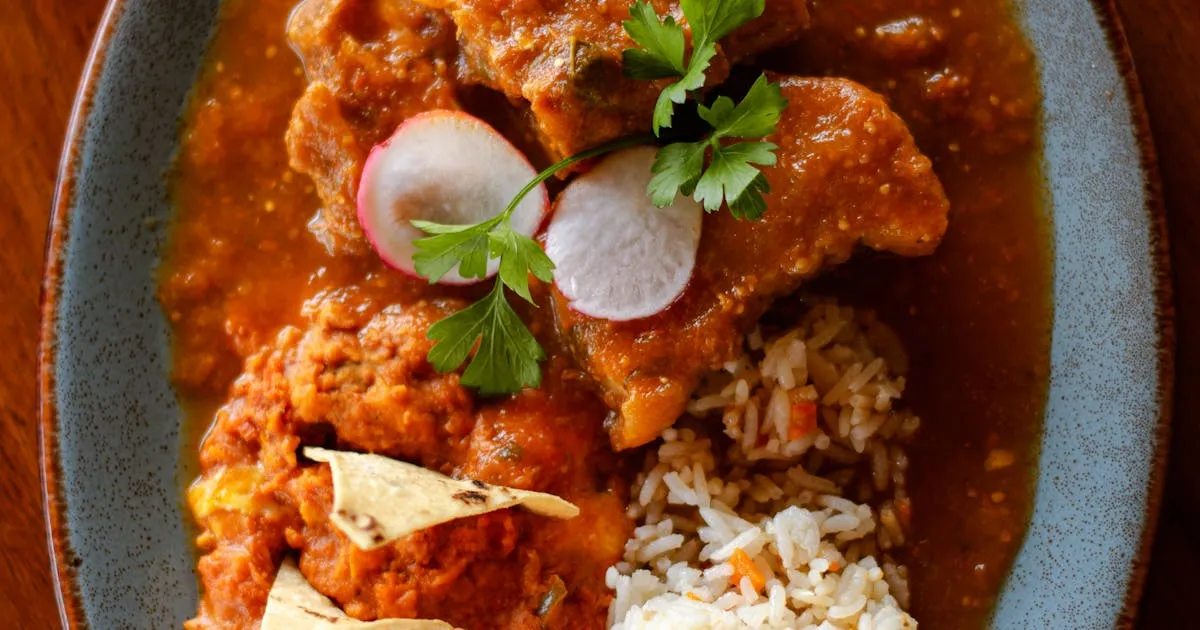
Oaxaca is widely considered the culinary capital of Mexico, and many food critics rank it among the greatest food destinations in the world. This is not hyperbole. The state’s cuisine draws from 16 indigenous cultures, thousands of years of agricultural tradition, and an astonishing biodiversity that gives cooks access to ingredients found nowhere else on Earth.
From the baroque complexity of mole negro to the primal crunch of toasted grasshoppers, Oaxacan food is bold, inventive, and deeply rooted in place. This guide covers 15 traditional dishes and drinks that every visitor should try, along with where to find them and what makes each one special.
1. Mole Negro (Black Mole)
If Oaxaca is the land of seven moles, mole negro is the king. This is the most complex and time-consuming sauce in Mexican cuisine, requiring over 30 ingredients and several days of preparation. The base is built from multiple varieties of dried chiles (chilhuacle negro, mulato, pasilla), which are carefully toasted and combined with chocolate, plantain, raisins, almonds, sesame seeds, cloves, cinnamon, oregano, and — crucially — a tortilla burned to ash, which gives the sauce its distinctive dark color and subtle bitterness.
Mole negro is typically served over chicken or turkey and accompanied by rice and handmade tortillas. The flavor is layered and evolving: sweet, smoky, spicy, and savory all at once, with no single ingredient dominating. It is the kind of dish that reveals new dimensions with every bite.
Where to try it: Mercado 20 de Noviembre has several fondas (food stalls) serving excellent mole negro. For a more refined experience, look for restaurants specializing in traditional Oaxacan cuisine in the city center.
Cost: A plate of mole negro with chicken at a market fonda runs 80-120 MXN ($4-7 USD). In restaurants, expect to pay 180-350 MXN ($10-19 USD).
2. The Other Six Moles
Oaxaca is called “la tierra de los siete moles” (the land of seven moles) for good reason. Each mole has a distinct character:
- Coloradito: A medium-heat red mole made with ancho chiles, tomato, and chocolate. Silky and slightly sweet, it is often served with pork.
- Amarillo (Yellow Mole): A lighter, brighter sauce made with chilcostle and costeño amarillo chiles, tomatillos, and hierba santa (a fragrant local herb). Often served with chicken and chayote squash.
- Verde (Green Mole): Fresh and herbal, made with green chiles, hoja santa, epazote, and tomatillos. The lightest of the seven moles, commonly served with pork or chicken.
- Rojo (Red Mole): Rich and deeply flavored, similar to coloradito but with a more pronounced chile kick.
- Chichilo: The rarest of the seven, a dark, complex mole made with charred avocado leaves and chilhuacle chiles. It has a distinctive herbal, smoky flavor and is traditionally served with beef.
- Manchamanteles (“Tablecloth Stainer”): A fruity, staining mole made with pineapple, plantain, and ancho chiles. Sweet, tangy, and deeply satisfying.
Challenge yourself: Try to sample all seven moles during your visit. Some restaurants offer mole tasting plates (degustaciones) that let you compare them side by side.
3. Tlayudas
Often called “Oaxacan pizza” by travelers (a comparison that locals find reductive but understandable), the tlayuda is the quintessential Oaxacan street food. It starts with a large, thin tortilla (roughly 30 centimeters / 12 inches in diameter) that is toasted on a comal until it develops a distinctive crispy-chewy texture.
The tortilla is then spread with asiento (unrefined pork lard, which adds a smoky richness), topped with refried black beans, shredded cabbage, avocado, and a generous layer of quesillo (Oaxacan string cheese). From there, you choose your protein — tasajo (dried beef), cecina (marinated pork), chorizo, or chapulines (grasshoppers).
The tlayuda is folded in half and grilled over charcoal until the cheese melts and the tortilla gets additional char. The result is crispy, smoky, savory, and deeply satisfying.
Where to try it: The best tlayudas are found at street stalls that set up along Calle Mina and around the markets after 8:00 PM. Look for the smoke rising from charcoal grills and follow the locals.
Cost: 60-100 MXN ($3-5 USD) depending on the protein.
4. Chapulines (Grasshoppers)
Yes, grasshoppers. Toasted, seasoned with garlic, lime juice, and chile, and eaten by the handful. Chapulines are one of Oaxaca’s most iconic foods and one of the oldest protein sources in the Americas, consumed in the region for thousands of years.
The taste is surprisingly appealing: crunchy, savory, slightly tangy from the lime, with a texture somewhere between a crispy snack and a small shrimp. They come in different sizes — the small ones are milder and easier for first-timers, while the larger ones have a more pronounced flavor.
Chapulines are eaten as a snack, tucked into tacos, sprinkled on tlayudas, or paired with mezcal. They are high in protein, sustainable to produce, and — once you get past the initial mental hurdle — genuinely delicious.
Where to try them: Mercado Benito Juárez has vendors selling chapulines by the kilo. Street vendors along the Andador Turístico sell small bags for sampling. You will also find them on the menu at many restaurants.
Cost: A small tasting bag from a street vendor costs 20-30 MXN ($1-2 USD). A larger bag at the market runs 80-150 MXN ($4-8 USD) depending on size.
5. Tamales Oaxaqueños
Oaxacan tamales differ from their counterparts elsewhere in Mexico in one fundamental way: they are wrapped in banana leaves instead of corn husks. This gives them a softer, more delicate texture and a subtle tropical aroma that permeates the masa (corn dough).
The most traditional filling is mole negro with chicken, but you will also find tamales filled with mole amarillo, rajas (roasted chile strips) with cheese, chipilín (a local herb), and other combinations. The masa is made from nixtamalized corn and often enriched with lard for a tender, almost cake-like consistency.
Tamales oaxaqueños are breakfast food, lunch food, dinner food, and fiesta food. They appear at every celebration, market stall, and family gathering. You have not truly eaten in Oaxaca until you have unwrapped a banana leaf to reveal a steaming tamal de mole negro.
Where to try them: Early morning is the best time. Market vendors and street stalls near the Zócalo sell them starting at 7:00 AM. Look for vendors with large steaming pots.
Cost: 15-30 MXN ($1-2 USD) each.
6. Tasajo
Tasajo is thinly sliced, salted, and dried beef that is a staple of Oaxacan cuisine. The meat is cut into broad, thin sheets, seasoned, and hung to dry before being grilled over open flames. When cooked properly, tasajo is smoky, tender (despite its dried origins), and intensely flavorful.
You will encounter tasajo most memorably at Mercado 20 de Noviembre’s famous Pasillo de Humo (“Smoke Alley”), where vendors grill tasajo, cecina (cured pork), and chorizo over massive charcoal fires. The smoke, the sizzle, the flames — it is one of the most visceral food experiences in Oaxaca.
How to order at the Pasillo de Humo: Choose your meat from one of the grill vendors, then take a seat at one of the communal tables and order sides — tortillas, beans, salsa, guacamole, and nopales (cactus) — from the table vendors. A full meal costs about 80-150 MXN ($4-8 USD).
7. Quesillo (Oaxacan String Cheese)
Quesillo is Oaxaca’s signature cheese, a semi-soft, string-style cheese similar to mozzarella but with a more complex, slightly tangy flavor. It is made by stretching and folding fresh cheese curd into balls that can be peeled apart in long, satisfying strings.
Quesillo appears everywhere in Oaxacan cuisine: melted in tlayudas and empanadas, stuffed into chiles rellenos, layered in enfrijoladas, and eaten on its own with tortillas and salsa. The best quesillo is made fresh daily in the Etla Valley, about 20 kilometers (12 miles) north of the city, where dairy farms produce the milk and artisans stretch the curd by hand.
Where to buy it: Mercado Benito Juárez has quesillo vendors selling it by weight. A ball of fresh quesillo costs approximately 60-100 MXN ($3-5 USD) per 500 grams. For the freshest product, visit the Wednesday market in Villa de Etla.
8. Memelas
If you want to eat like a local, start your day with memelas. These oval-shaped corn cakes are made from fresh masa, pressed by hand, and cooked on a comal (clay griddle). They are thicker and smaller than tortillas, with raised edges that create a shallow cup. The memela is then topped with asiento (pork lard), black beans, salsa, and crumbled fresh cheese.
Memelas are humble, hearty, and deeply satisfying — the kind of food that fuels a morning. They are ubiquitous at breakfast and can be found at virtually every market and street stall in the city.
Where to try them: The Central de Abastos market has an entire section of memela vendors. In the centro, look for women cooking on comales at market entrances starting at 7:00 AM.
Cost: 10-20 MXN ($0.50-1 USD) each.
9. Enfrijoladas
Enfrijoladas are Oaxaca’s answer to enchiladas, and they are arguably better. Corn tortillas are dipped in a smooth, creamy black bean sauce, folded, and topped with crumbled cheese, cream, and sliced onion. They can be served plain or filled with shredded chicken, eggs, or tasajo.
The black bean sauce is the star — made from slow-cooked black beans blended with avocado leaf (which gives a subtle anise-like flavor), onion, and garlic. The texture should be velvety and the flavor earthy and deeply satisfying.
Where to try them: Enfrijoladas are a breakfast and lunch staple. You will find them at fondas and traditional restaurants throughout the city. They are also commonly served at hotel breakfasts.
Cost: 50-90 MXN ($3-5 USD) at a fonda.
10. Tejate
Tejate is an ancient, pre-Hispanic drink made from roasted cacao, maize, mamey seed (pixtle), and the flower of the cacao tree (rosita de cacao). The ingredients are ground together by hand on a metate (stone grinding table), mixed with water, and worked until a thick foam rises to the top.
The result is a cool, frothy, slightly sweet drink with a nutty, chocolatey flavor unlike anything else you have tasted. It is served in jícara (gourd) cups, traditionally by women in the Oaxaca Valley who have made tejate for generations.
Where to try it: Mercado de la Merced, Mercado 20 de Noviembre, and the Tlacolula Sunday market all have tejate vendors. Look for women sitting behind large clay pots with a thick layer of foam on top.
Cost: 15-25 MXN ($1-1.50 USD) per cup.
11. Oaxacan Hot Chocolate
Oaxacan chocolate is different from what you know. It is made from roasted cacao ground with sugar, cinnamon, and sometimes almonds, then shaped into bars, tablets, or spheres. To prepare it, the chocolate is dissolved in hot water or milk and beaten with a molinillo (wooden whisk) until frothy.
The flavor is more intense and less sweet than commercial chocolate — earthy, slightly gritty, and warmly spiced. Oaxacans drink it at breakfast with pan de yema (see below), and the combination is one of the city’s simplest and most comforting pleasures.
Where to buy it: Mercado 20 de Noviembre has multiple chocolate vendors who will grind a custom blend to your specifications — you choose the cacao percentage, sweetness level, and add-ins. The process is mesmerizing and the aroma is intoxicating. A kilo of custom-ground chocolate costs about 80-150 MXN ($4-8 USD).
Where to drink it: Any traditional Oaxacan restaurant or cafe. The cafes along the Zócalo serve it, though the best versions come from small fondas.
12. Mezcal
Mezcal is Oaxaca’s most famous spirit, and the state produces roughly 90% of Mexico’s supply. Unlike tequila (which is made only from blue agave), mezcal can be made from over 30 varieties of agave, each producing a spirit with distinct flavors.
The production process is artisanal: agave hearts (piñas) are roasted in underground pits lined with hot stones, crushed (traditionally by a horse-drawn stone wheel called a tahona), fermented in open-air wooden vats, and distilled in small copper or clay stills. This process, which has changed little in centuries, gives mezcal its characteristic smoky flavor and incredible complexity.
Varieties to Try
- Espadín: The most common variety, made from the agave espadín. It is a good starting point — smooth, slightly smoky, with notes of citrus and herbs.
- Tobalá: Made from a small, wild agave that grows at high altitude. Tobalá is more complex and expensive, with floral and fruity notes.
- Cuishe: Made from a long, slender agave with a distinctive vegetal, mineral flavor.
- Arroqueño: Bold and herbaceous, with a longer finish.
- Pechuga: A special mezcal redistilled with a raw chicken or turkey breast and seasonal fruits hanging in the still. The result is remarkably smooth and savory, reserved for celebrations. A bottle costs 800-2,000+ MXN ($43-108+ USD).
How to drink it: Sip, never shoot. Good mezcal is meant to be savored. Take small sips and let the spirit coat your palate. Many mezcalerías serve it with orange slices and sal de gusano (worm salt) — a condiment made from ground agave worms, chile, and salt.
Where to try it: The mezcalerías of Oaxaca City are experiences in themselves. Many are intimate, dimly lit bars where knowledgeable staff guide you through tastings. For a deeper experience, arrange a day trip to a palenque (distillery) in Santiago Matatlán, the self-proclaimed “world capital of mezcal,” about 50 kilometers (31 miles) southeast of the city.
13. Pan de Yema (Egg Bread)
Pan de yema is a sweet bread made with egg yolks, butter, sugar, and a touch of anise. The dough is enriched and tender, with a golden crust and soft interior. It is the traditional accompaniment to Oaxacan hot chocolate, and the combination — dunking the bread into the frothy, cinnamon-scented chocolate — is one of the city’s most beloved rituals.
Pan de yema takes on special significance during Day of the Dead (late October-early November), when elaborately decorated versions are placed on ofrendas (altars) as offerings to departed loved ones. During this period, bakeries produce enormous quantities in special shapes and sizes.
Where to buy it: Bakeries throughout the city sell pan de yema daily. Look for panaderías (bakeries) near the markets — the bread should be fresh and still slightly warm.
Cost: 10-30 MXN ($0.50-2 USD) per piece.
14. Nieve (Oaxacan Ice Cream)
Oaxacan nieve is not quite ice cream and not quite sorbet — it occupies a category of its own. Made from fruit, water, sugar, and sometimes milk, nieve is hand-churned in metal canisters set inside wooden barrels filled with ice. The technique produces a texture that is lighter and more refreshing than conventional ice cream.
The flavors reflect Oaxaca’s incredible fruit diversity: tuna (prickly pear cactus fruit), mamey, guanábana, mango, passion fruit, and leche quemada (burnt milk). But the most Oaxacan flavor of all is arguably nieve de beso — “kiss ice cream” — a meringue-like frozen sweet that is nothing like any dessert you have had before.
Where to try it: Nieve shops line the streets near the Zócalo and in Jalatlaco. Many operate from small storefronts with the metal canisters visible behind the counter. A serving costs 25-40 MXN ($1.50-2 USD).
15. Empanadas de Amarillo
These are not the empanadas you know from other parts of Latin America. Oaxacan empanadas are made from fresh masa (not wheat dough), filled with mole amarillo and shredded chicken (or just quesillo for a vegetarian version), pressed in a tortilla press, and cooked on a comal. The result is a tender, golden corn pocket with a filling that bursts with the bright, herbal flavor of mole amarillo.
They are a popular breakfast and snack food, found at market stalls and street corners throughout the city.
Where to try them: Mercado de la Merced and Mercado 20 de Noviembre both have excellent empanada vendors. Street stalls near the Zócalo sell them in the morning.
Cost: 15-25 MXN ($1-1.50 USD) each.
Where to Eat in Oaxaca: A Quick Guide
For Market Food
- Mercado 20 de Noviembre: Pasillo de Humo for grilled meats, fondas for mole, chocolate vendors.
- Mercado Benito Juárez: Chapulines, quesillo, mole paste, and dry goods to take home.
- Central de Abastos: The city’s largest market, more local and less touristy. Excellent memelas, tamales, and comida corrida (set lunch).
- Mercado de la Merced: Smaller and quieter, with excellent empanadas and tejate.
For Street Food
The street food in Oaxaca peaks after dark. From about 8:00 PM, stalls along Calle Mina and around the markets fire up their charcoal grills for tlayudas. The streets around the Zócalo have vendors selling elotes (corn on the cob), esquites (corn cups), marquesitas (crispy wafer rolls), and more.
For Cooking Classes
If you want to go beyond tasting and learn to make Oaxacan food yourself, cooking classes are one of the best experiences the city offers. Most begin with a market tour where you learn to identify ingredients, followed by hands-on instruction in a kitchen where you prepare 3-5 dishes. Classes run 4-6 hours and cost 1,200-2,500 MXN ($65-135 USD) per person, including the meal you prepare.
Tips for Eating in Oaxaca
- Eat where the locals eat. A crowded market fonda at noon is a better bet than a half-empty restaurant on the Andador. High turnover means fresh food.
- Ease in gradually. If you are not accustomed to street food, start with cooked items from busy stalls and work your way up to more adventurous choices.
- Try everything once. Chapulines, mezcal with sal de gusano, mole chichilo — you are in one of the world’s great food cities. Be bold.
- Breakfast matters. Oaxacan breakfasts are substantial and delicious. Do not skip them in favor of a quick coffee and pastry.
- Bring antacids if needed. Oaxacan food is not aggressively spicy, but it is rich, and the combination of new ingredients and altitude can occasionally unsettle stomachs. Be prepared but not fearful.
- Mezcal before, during, and after. Oaxacans say mezcal aids digestion. Whether or not this is scientifically accurate, it is certainly enjoyable.
Final Thoughts
Oaxacan food is not just Mexico’s best cuisine — it is one of the world’s great culinary traditions, built over millennia and still thriving. Every dish tells a story: of indigenous ingenuity, of colonial fusion, of families passing recipes through generations, and of cooks who refuse to compromise on technique or ingredients.
The 15 dishes and drinks in this guide are a starting point, not a finish line. Oaxaca will surprise you with flavors you have never imagined, served in settings that range from smoky market stalls to candlelit courtyards. Come hungry, stay curious, and let Oaxaca feed you in every sense of the word.