
Puerto Escondido Weather: Month-by-Month Guide
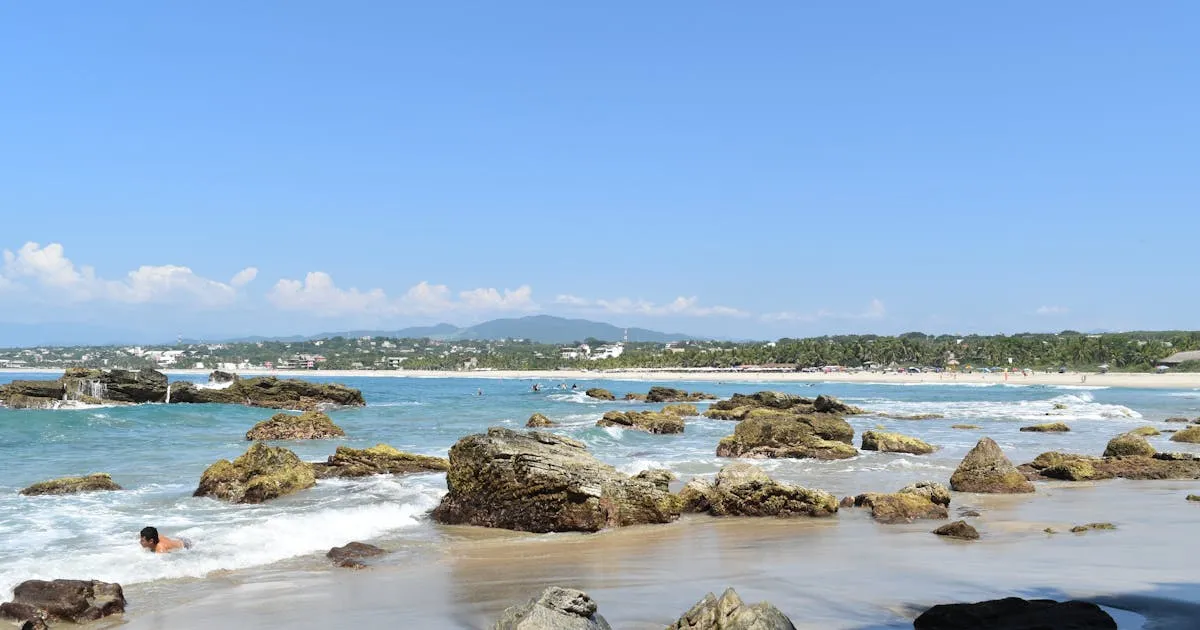
Puerto Escondido sits on the Pacific coast of Oaxaca, Mexico, and enjoys warm tropical weather virtually all year long. Whether you are chasing world-class surf, planning a family beach vacation, or hoping to watch sea turtles nest under moonlight, understanding the local climate will help you pick the perfect dates and pack the right gear.
This month-by-month guide covers temperatures, rainfall, ocean conditions, crowd levels, and the activities each season favors so you can plan your Puerto Escondido trip with confidence.
Puerto Escondido Climate Overview
Puerto Escondido falls under the Koppen Aw classification, a tropical savanna climate with distinct wet and dry seasons. Two broad periods shape the year:
- Dry season (November through May): Sunny skies dominate, humidity is manageable, and rain is rare. This is peak tourist season, with the busiest months falling between December and March.
- Rainy season (June through October): Afternoon and evening showers arrive almost daily, but mornings are typically clear. The surrounding hillsides turn deep green, waterfalls come alive, and hotel prices drop significantly.
Year-round, daytime highs rarely fall below 30 degrees Celsius (86 degrees Fahrenheit). Even during the coolest weeks of December and January, you will be comfortable in shorts and sandals. The ocean stays bathwater-warm from January to December, ranging between 26 and 30 degrees Celsius (79 to 86 degrees Fahrenheit).
Month-by-Month Weather Breakdown
January
- Average high / low: 31 degrees C / 21 degrees C (88 degrees F / 70 degrees F)
- Rainfall: Virtually none — one of the driest months
- Ocean temperature: 27 degrees C (81 degrees F)
- Crowd level: High
- Best for: Whale watching, swimming, relaxed surfing
January is one of the most popular months to visit. Skies are clear, the ocean is calm enough for swimming at Carrizalillo and Puerto Angelito, and humpback whale sightings are common offshore.
February
- Average high / low: 31 degrees C / 21 degrees C (88 degrees F / 70 degrees F)
- Rainfall: Minimal — less than 5 mm for the month
- Ocean temperature: 27 degrees C (81 degrees F)
- Crowd level: High
- Best for: Whale watching, snorkeling, beach days
February mirrors January in nearly every way: dry, sunny, and busy. Water visibility is excellent for snorkeling around rocky points, and humpback whales continue their migration. Book accommodations well in advance.
March
- Average high / low: 32 degrees C / 21 degrees C (90 degrees F / 70 degrees F)
- Rainfall: Negligible
- Ocean temperature: 27 degrees C (81 degrees F)
- Crowd level: High (peaks during Semana Santa)
- Best for: Whale watching (final weeks), swimming, nightlife
March begins the climb toward the hottest part of the year. Semana Santa (Holy Week) brings a surge of domestic tourists, filling beaches, restaurants, and bars. The tail end of whale watching season still offers sightings, though they become less frequent.
April
- Average high / low: 33 degrees C / 23 degrees C (91 degrees F / 73 degrees F)
- Rainfall: Very low — occasional isolated showers possible late in the month
- Ocean temperature: 28 degrees C (82 degrees F)
- Crowd level: Medium (drops after Easter)
- Best for: Budget-conscious travel after Easter, swimming, transitional surf
April marks the transition between cool-dry and hot-dry periods. After Semana Santa crowds depart, hotel rates soften and the town feels noticeably quieter. A solid month for travelers who want dry weather without peak-season prices.
May
- Average high / low: 34 degrees C / 24 degrees C (93 degrees F / 75 degrees F)
- Rainfall: Light — early showers begin, roughly 40 to 60 mm for the month
- Ocean temperature: 29 degrees C (84 degrees F)
- Crowd level: Low
- Best for: Advanced surfing (swells build), budget travel, fewer crowds
May is one of the hottest months and signals the start of surf season. South swells roll in, and Playa Zicatela begins to show its teeth with larger, more powerful waves. Tourist numbers are low, making it ideal for budget travelers and surfers seeking uncrowded lineups.
June
- Average high / low: 33 degrees C / 24 degrees C (91 degrees F / 75 degrees F)
- Rainfall: Moderate — around 150 to 200 mm, mostly afternoon showers
- Ocean temperature: 29 degrees C (84 degrees F)
- Crowd level: Low
- Best for: Surfing, bioluminescence, lower prices
The rainy season settles in during June. Mornings are bright and hot, with clouds building before releasing warm downpours that clear within an hour or two. Surf swells are consistent, bioluminescence appears in the Manialtepec Lagoon around the new moon, and hotel rates drop 30 to 50 percent below peak season.
July
- Average high / low: 33 degrees C / 23 degrees C (91 degrees F / 73 degrees F)
- Rainfall: Moderate to heavy — 150 to 250 mm
- Ocean temperature: 30 degrees C (86 degrees F)
- Crowd level: Medium (La Guelaguetza visitors)
- Best for: Surfing, turtle nesting begins, cultural festivals
July brings the Guelaguetza festival in nearby Oaxaca City, which draws visitors to the coast as well. Surf pumps with strong south and southwest swells, and olive ridley sea turtles begin nesting on beaches like Escobilla and Ventanilla. Rain is heavier but concentrated in afternoons and evenings.
August
- Average high / low: 33 degrees C / 23 degrees C (91 degrees F / 73 degrees F)
- Rainfall: Heavy — 200 to 300 mm, the wettest period alongside September
- Ocean temperature: 30 degrees C (86 degrees F)
- Crowd level: Low to medium
- Best for: Turtle releases, surfing, bioluminescence
August is one of the wettest months, but it unlocks some of Puerto Escondido’s most memorable experiences. Turtle release programs begin in earnest — visitors help release hatchlings into the ocean at sunset. Surf remains big, and the bioluminescence in the lagoon reaches peak intensity during moonless nights.
September
- Average high / low: 32 degrees C / 23 degrees C (90 degrees F / 73 degrees F)
- Rainfall: Heavy — 250 to 350 mm, typically the rainiest month
- Ocean temperature: 29 degrees C (84 degrees F)
- Crowd level: Low
- Best for: Budget travel, turtle releases, surfing (experienced riders)
September is the heart of the rainy season and the quietest month for tourism. Some dirt roads may become muddy, but surf is powerful, turtle releases continue nightly, and hotel rates hit their yearly low. Keep an eye on tropical storm forecasts, as this falls within hurricane season.
October
- Average high / low: 33 degrees C / 23 degrees C (91 degrees F / 73 degrees F)
- Rainfall: Moderate to heavy — 150 to 250 mm, tapering off toward month’s end
- Ocean temperature: 29 degrees C (84 degrees F)
- Crowd level: Low
- Best for: Turtle releases, surfing, shoulder-season deals
October is a transition month. Rain eases in the second half, and the landscape is at its most vibrant green. Turtle releases remain a highlight, surf is still excellent, and international competitions sometimes take place at Zicatela. By late October, the weather starts to feel like dry season again.
November
- Average high / low: 32 degrees C / 22 degrees C (90 degrees F / 72 degrees F)
- Rainfall: Low — 20 to 40 mm as the dry season returns
- Ocean temperature: 28 degrees C (82 degrees F)
- Crowd level: Medium (rising)
- Best for: Turtle releases, Day of the Dead festivities, early dry-season weather
November marks the return of dry, sunny weather. Day of the Dead celebrations early in the month add cultural depth, and turtle releases continue. For a full list of activities, see our guide to things to do in Puerto Escondido. Surf swells gradually decrease, becoming more approachable for intermediate surfers. A sweet spot of good weather and moderate prices before the December rush.
December
- Average high / low: 31 degrees C / 21 degrees C (88 degrees F / 70 degrees F)
- Rainfall: Virtually none
- Ocean temperature: 27 degrees C (81 degrees F)
- Crowd level: High (especially around Christmas and New Year)
- Best for: Whale watching begins, turtle releases (final weeks), holiday festivities
December brings dry skies, comfortable temperatures, and a festive atmosphere. Humpback whales begin arriving offshore, and the final turtle releases of the season take place early in the month. The town fills with visitors for Christmas and New Year’s Eve, so reserve accommodations in advance.
Best Time to Visit by Activity
Surfing
Puerto Escondido is known worldwide for the powerful barrels at Playa Zicatela, often called the “Mexican Pipeline.” The best waves arrive between May and November, when south and southwest swells push consistent, overhead surf onto the beach. This period is for experienced surfers only at Zicatela — the waves regularly reach three to five meters (10 to 15 feet) and the shore break is punishing.
Beginners and intermediate surfers should look to the dry season months of December through April, when smaller swells make spots like La Punta and Carrizalillo far more forgiving. For a deeper look at every break, read our complete surfing guide to Puerto Escondido. Surf schools operate year-round, but the calmer winter conditions are ideal for learning.
Swimming and Snorkeling
The safest and most enjoyable swimming conditions run from November through May, when the ocean is calmer and visibility is at its best. Sheltered bays like Carrizalillo, Puerto Angelito, and Manzanillo offer gentle water even when other beaches have strong currents. During the rainy season, beach runoff can temporarily reduce visibility, and stronger swells create rip currents at exposed beaches. Always check local conditions and swim at beaches with lifeguards.
Turtle Releases
Puerto Escondido is one of the best places in Mexico to witness sea turtle conservation in action. Olive ridley turtles nest between July and February, with hatchling releases taking place from August through December. The peak months for releases are September and October, when nesting activity is highest. Several local organizations run release programs at sunset, and visitors can hold a hatchling and watch it scramble toward the sea.
Bioluminescence
The Manialtepec Lagoon, about 20 minutes west of town, is home to bioluminescent plankton that glow blue-green when disturbed. The phenomenon is most visible during the rainy season, from June through November, on dark nights around the new moon. Tour operators run evening boat trips into the lagoon where you can swim among the glowing water. Avoid booking around the full moon, as the extra light diminishes the effect.
Budget Travel
The lowest prices of the year coincide with the rainy season, particularly from June through October. September tends to be the absolute cheapest month, with hotel rates dropping dramatically and many restaurants offering promotions to attract the small number of visitors. May and November are excellent shoulder months that offer a balance of decent weather and reduced prices.
What to Pack for Puerto Escondido
Dry Season (November through May)
- Lightweight, breathable clothing — cotton or linen is ideal
- Swimsuit and rash guard for sun protection
- Reef-safe sunscreen with high SPF (the tropical sun is intense)
- Sunglasses and a wide-brimmed hat
- Sandals for daily wear and water shoes for rocky beaches
- A light layer for air-conditioned buses or restaurants
- Insect repellent, especially near the lagoon at dusk
Rainy Season (June through October)
- Everything from the dry season list, plus:
- A compact rain jacket or waterproof poncho — the showers are warm, but you will want protection if you are carrying electronics
- Quick-dry clothing and shorts
- Waterproof phone pouch or dry bag for beach and boat excursions
- Umbrella (small, packable)
- Closed-toe sandals with grip for wet or muddy paths
Regardless of the season, bring reef-safe sunscreen. Puerto Escondido’s marine ecosystems are sensitive to chemical sunscreens, and many tour operators now require reef-safe products. For a comprehensive overview of the destination, read our complete Puerto Escondido travel guide, and if you are also visiting Oaxaca City, check our Oaxaca weather guide for inland climate details.
Frequently Asked Questions
When is the cheapest time to visit Puerto Escondido?
The most affordable period runs from June through October, with September being the single cheapest month. Hotel rates can fall 30 to 50 percent below peak-season prices, and many tour operators and restaurants offer discounts. You trade guaranteed sunshine for afternoon showers, but mornings are usually clear and the town has a relaxed, local feel.
Is it safe to visit Puerto Escondido during rainy season?
Yes. Rain typically falls in short, heavy bursts during the late afternoon or evening, leaving mornings free for activities. The main considerations are stronger ocean currents at exposed beaches, occasional muddy roads outside town, and the small chance of a tropical storm. Many repeat visitors actually prefer the rainy season for its greener landscape, fewer crowds, and lower costs.
What is hurricane season in Puerto Escondido?
The Eastern Pacific hurricane season runs from May 15 through November 30, with the most active period between August and October. Puerto Escondido is not frequently hit by direct hurricanes, but the region can experience tropical storms, heavy rain bands, and increased surf from systems passing offshore. Modern forecasting provides several days of advance warning, and local authorities issue alerts if a storm approaches.
When are the biggest waves at Puerto Escondido?
The largest surf hits Playa Zicatela between May and November, peaking from July through September. During major south swells, waves reach four to six meters (13 to 20 feet) with heavy, barreling sections that attract professionals worldwide. Zicatela is considered one of the most dangerous beach breaks on the planet during big swells. If you are not an experienced surfer, watch from the beach and swim at Carrizalillo or Puerto Angelito instead.
What is the ocean water temperature in Puerto Escondido?
The Pacific Ocean at Puerto Escondido stays warm year-round, ranging from 26 to 27 degrees Celsius (79 to 81 degrees Fahrenheit) in December through March to 29 to 30 degrees Celsius (84 to 86 degrees Fahrenheit) from July through October. A wetsuit is almost never necessary — a thin rash guard for sun protection during surf sessions is enough, and most swimmers are comfortable in just a swimsuit.