
Chapulines in Oaxaca: What They Are, Where to Try Them & Recipes
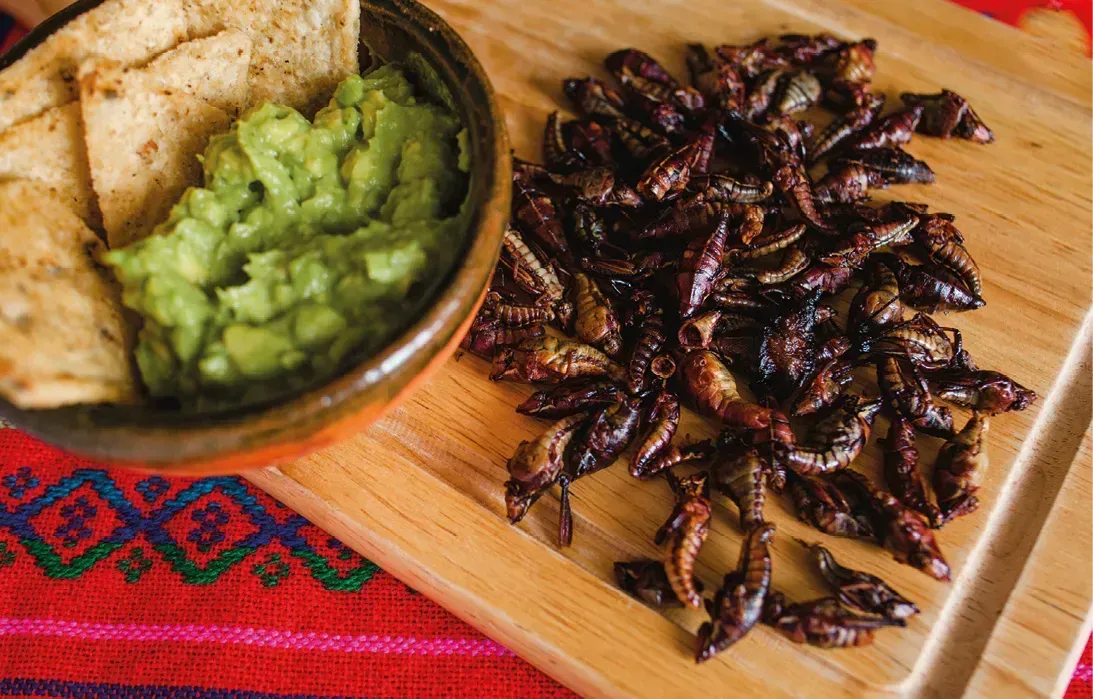
There is a saying among locals in Oaxaca: “If you eat chapulines, you will never leave.” Whether or not the legend is true, one thing is certain — these crunchy, seasoned grasshoppers have a way of winning people over, even the most skeptical first-timers.
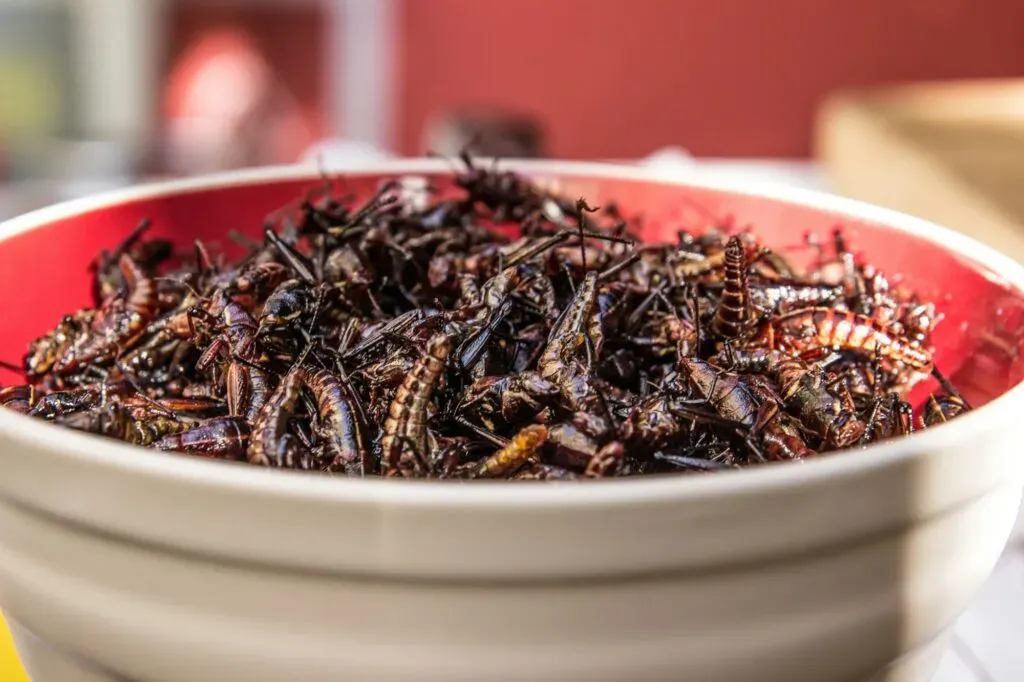
Chapulines are one of Oaxaca’s most iconic foods. They might look intimidating at first glance, but once you taste them — toasted with garlic, lime, and a kick of chili — you will understand why they have been a beloved staple here for thousands of years.
In this guide, we cover everything you need to know: the history behind chapulines, where to find the best ones in Oaxaca, how they are prepared, their surprising nutritional benefits, and recipes you can try at home.
What Are Chapulines?
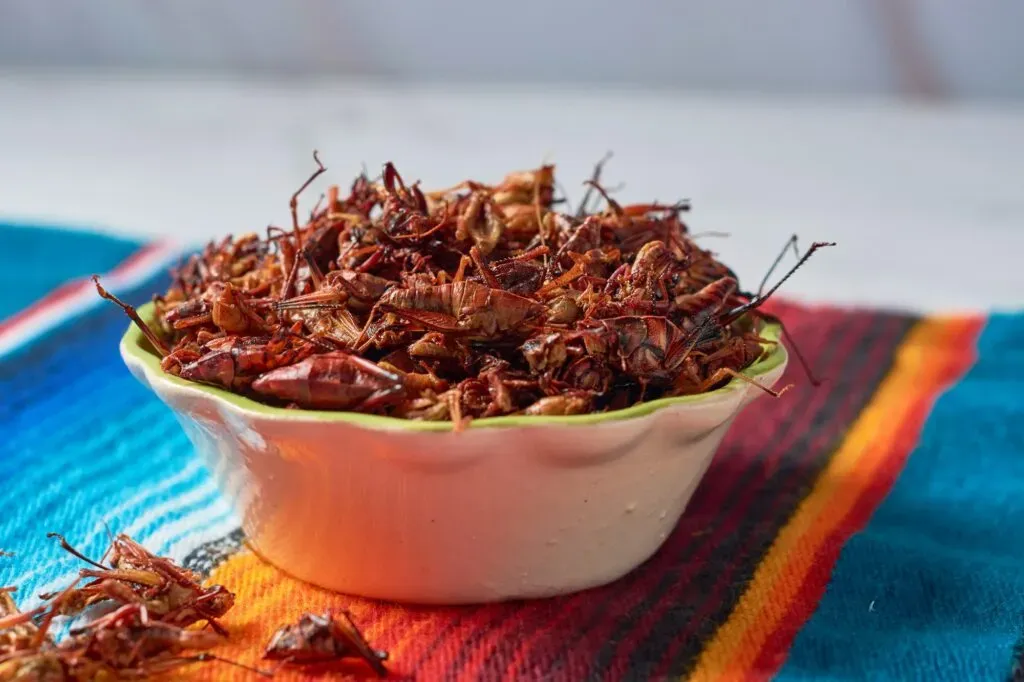
Chapulines are a type of grasshopper that belongs to the family Acrididae. The name comes from the Nahuatl word meaning “insect that jumps like a rubber ball.” In Oaxaca, they are not pests — they are prized ingredients, harvested from alfalfa and corn fields in the surrounding mountains.
You will find them in every size, from tiny and delicate to large and meaty. They are typically cleaned, toasted on a clay griddle called a comal, and seasoned with garlic, lime juice, salt, and dried chili. The result is a crunchy, savory snack with a flavor that is hard to compare to anything else — think a blend of earthy herbs, chicharron, and a hint of shrimp.
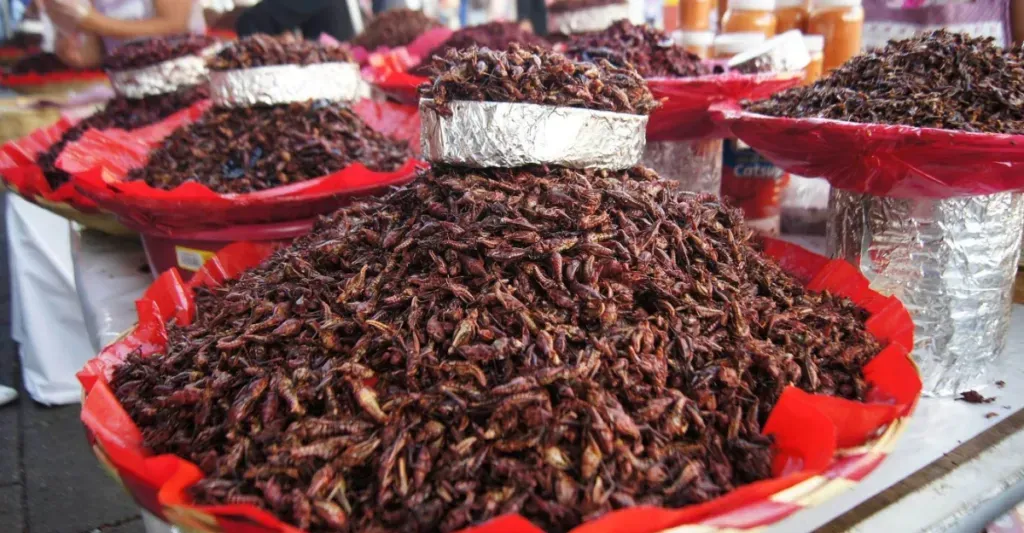
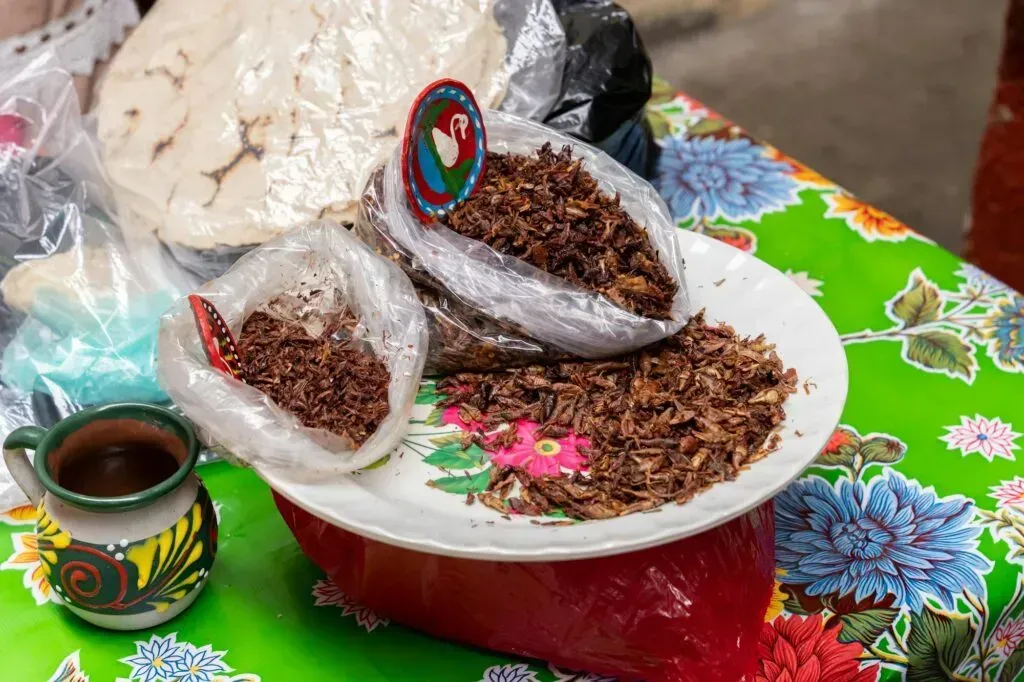
Chapulines are sold by weight in markets, stacked in neat piles on wicker baskets, or packaged in small bags. Prices typically range from 70 to 100 Mexican pesos per kilogram, with the choicest pieces (whole bodies with abdomen and head) costing a bit more than loose legs and fragments.
“Oaxacan cuisine is a feast for the senses, and chapulines play a starring role in this unique culinary experience.”
The History of Chapulines: From Pre-Hispanic Origins to Today
Chapulines have been part of the Mexican diet for more than 3,000 years. This ancestral tradition dates back to the Zapotec, Mixtec, and Maya cultures, who valued grasshoppers for their abundance and nutritional power.
Ancient records and codices
The earliest written references appear in the Florentine Codex, compiled by Fray Bernardino de Sahagun, which lists 96 edible insect species consumed in Mesoamerica — chapulines among them.
Another fascinating reference is the Tira de la Peregrinacion (Codice Boturini), which documents the Mexica migration from Aztlan to the Valley of Mexico. One of the first stops on their journey is depicted as a hill with a grasshopper on top: Chapultepec, meaning “on the grasshopper hill.” According to legend, the Mexicas settled there because chapulines were so abundant they could feed the entire community.
By the 16th century, when the Spanish arrived, chapulines were already being sold as food in the Tlatelolco market — a custom that has continued unbroken to this day.
From survival food to culinary treasure
In pre-Hispanic times, chapulines were harvested during the rainy season and consumed fresh, roasted, or sun-dried for preservation throughout the year. They served as offerings in rituals and ceremonies, marking their significance beyond the kitchen.
Over the centuries, preparation techniques evolved. What began as simple sun-drying developed into the art of toasting on clay comals with garlic, lime, salt, and chili. Today, Oaxacan chefs push the boundaries further, incorporating chapulines into fusion cuisine, gourmet menus, and even cocktails — all while respecting the tradition at their core.
How Chapulines Are Prepared: Harvesting, Toasting, and Seasoning
The journey from field to table is a hands-on process that many Oaxacan families have practiced for generations.
Harvesting
Chapulines are collected by hand in the fields surrounding the Oaxacan valleys, typically during the rainy season (June through October) when populations are at their peak. Harvesters use nets or simply gather them in the early morning, when the cool temperatures keep the insects sluggish and easier to catch. This is a 100% natural process — no pesticides or chemicals are involved.
Cleaning and preparation
Once collected, the chapulines are submerged in water to clean them thoroughly. Debris, dirt, and any unwanted parts like loose wings are carefully removed. Some families soak them briefly in salted water or lime juice to purge them before cooking. This step is important for both food safety and flavor — properly cleaned chapulines have a cleaner, more appealing taste.
Toasting and seasoning
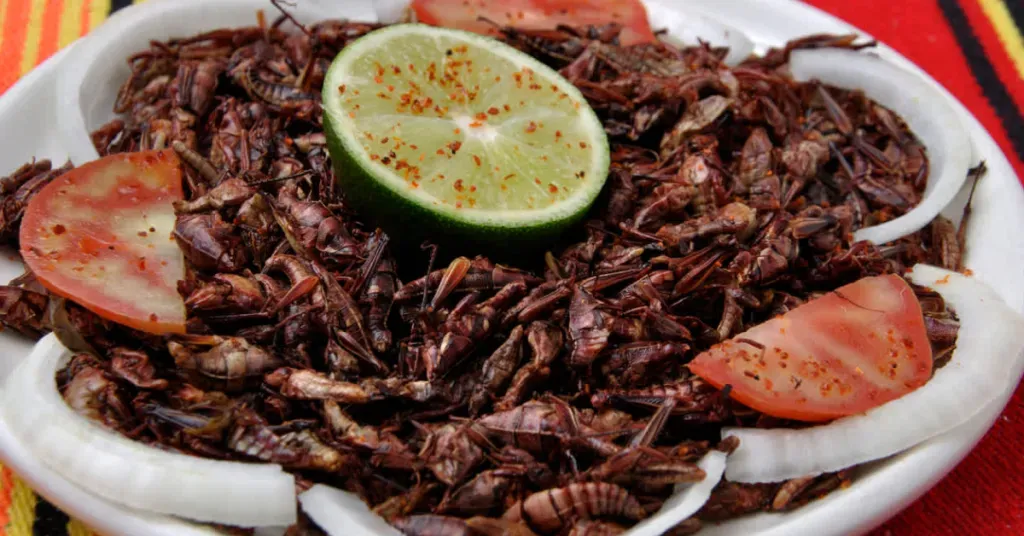
The cleaned chapulines are placed on a hot comal — a flat clay or metal griddle — and toasted until they turn crispy. During or after toasting, they are seasoned with a mixture of:
- Garlic (minced or in oil)
- Lime juice (freshly squeezed)
- Salt (to taste)
- Dried chili (guajillo, pasilla, or chile de arbol for heat)
Some vendors add onion or special spice blends passed down through their families. The toasting gives chapulines their signature crunch, while the lime and garlic create a tangy, savory flavor that is genuinely addictive.
Nutritional Benefits: Why Chapulines Are a Protein Powerhouse
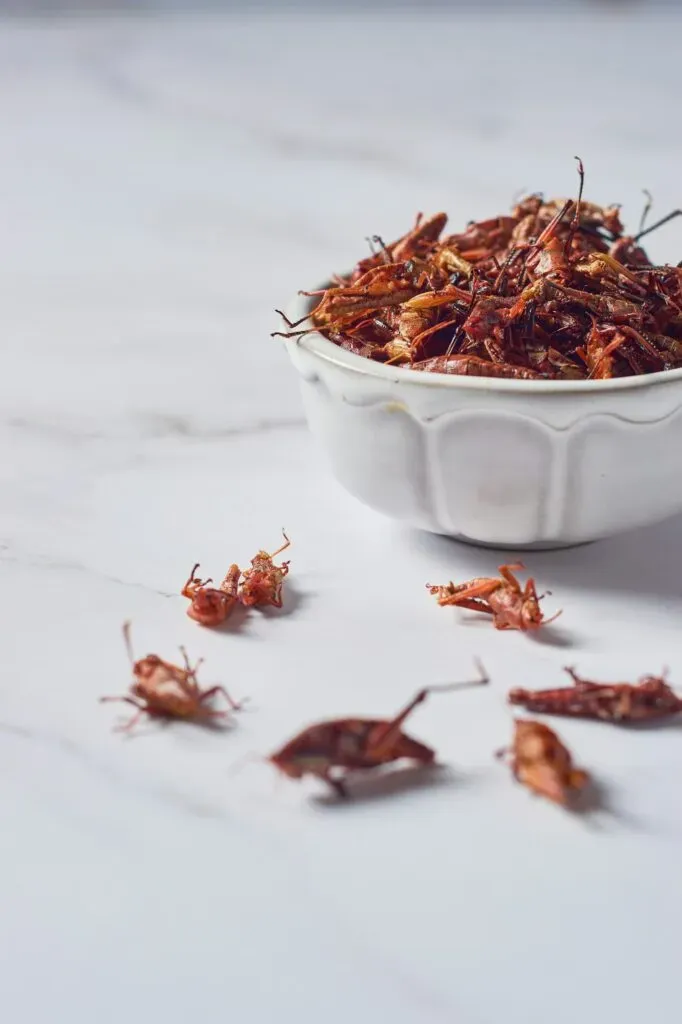
One of the biggest surprises about chapulines is just how nutritious they are. This is not just street food — it is a superfood by modern standards.
- High in protein: Approximately 60-80% of their dry weight is protein, making them comparable to or better than beef, chicken, or fish gram for gram.
- Low in fat: Significantly less fat than traditional meats, with mostly healthy unsaturated fats.
- Rich in vitamins: Good source of vitamins A, B (B2, B12), and C.
- Packed with minerals: High in calcium, zinc, iron, and magnesium — nutrients essential for bone health, immune function, and energy.
- Sustainable: Chapulines produce far fewer greenhouse gases, require less water, and need less land than conventional livestock farming.
For travelers watching their diet, vegetarians looking for complete protein sources (note: chapulines are not vegetarian, but they are a popular option for those exploring sustainable protein), or anyone curious about the future of food, chapulines offer a compelling alternative.
The practice of eating insects is called entomophagy, and it is gaining traction worldwide as a solution to food sustainability challenges. Oaxaca has been ahead of this curve for millennia.
Where to Try Chapulines in Oaxaca
If you are visiting Oaxaca and want to try chapulines like a local, here are the best places to go.
Mercado Benito Juarez
The Mercado Benito Juarez in the heart of Oaxaca City is the most popular spot for tourists and locals alike. Multiple vendors sell chapulines in different sizes and seasonings. Most will offer you a free sample before you buy — take advantage of this and try a few before picking your favorite.
Mercado 20 de Noviembre
Just a block from Benito Juarez, this market is famous for its prepared food stalls and sit-down eating areas. You can buy raw chapulines by weight to take home, or sit down and enjoy them already prepared in tacos, tlayudas, quesadillas, and other dishes. The atmosphere here is lively and communal — the perfect setting for your first chapulines experience.
Street vendors
Walking through Oaxaca’s historic center, you will spot vendors carrying wicker baskets stacked with chapulines. Buying a small bag from a street vendor and snacking while you explore the zocalo is one of the quintessential Oaxaca experiences. Just imagine: strolling through the colonial streets, picking up a bag of spiced chapulines from a local vendor on the corner — perfection.
Restaurants and mezcalerias
Many traditional and contemporary restaurants across Oaxaca feature chapulines on their menus. You will find them as appetizers, taco fillings, and even as garnishes for mezcal cocktails. Some upscale restaurants create gourmet preparations that elevate the humble grasshopper into fine dining territory.
Popular Dishes and Recipes with Chapulines
Chapulines are incredibly versatile. Here are the most popular ways to enjoy them, from street food classics to dishes you can recreate at home.
Chapulines tacos
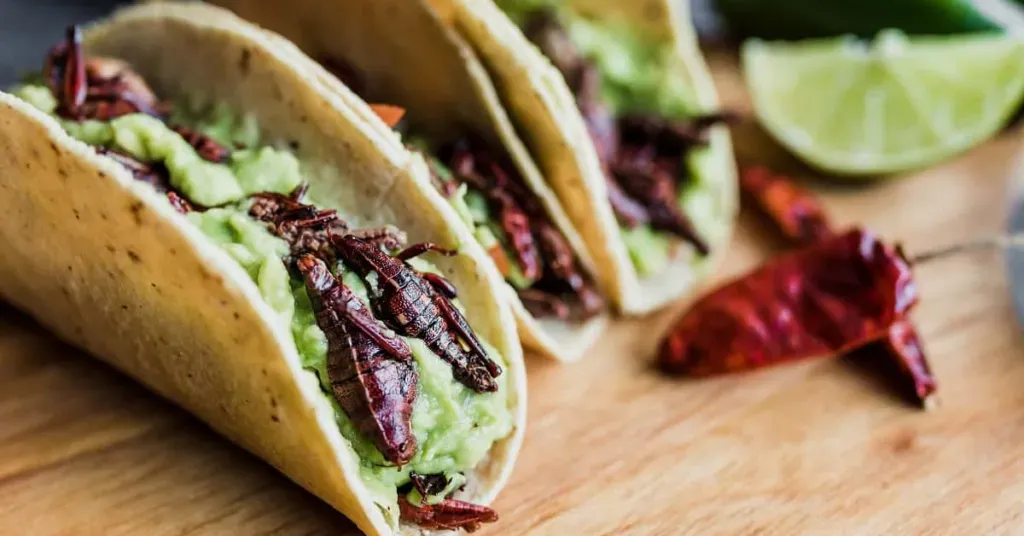
The simplest and most satisfying way to eat chapulines. Heat corn tortillas on a comal, fill them with toasted and seasoned chapulines, and top with chopped onion, fresh cilantro, a squeeze of lime, and your favorite salsa. Some people add sliced avocado or a sprinkle of crumbled queso fresco. This is Oaxacan street food at its finest.
Tlayuda with chapulines
The tlayuda is Oaxaca’s answer to pizza — a large, crispy tortilla spread with black bean paste, topped with quesillo (Oaxacan string cheese), lettuce, avocado, and your choice of protein. Add a generous handful of chapulines for a crunchy, protein-rich topping that is authentically Oaxacan.
Chapulines quesadilla
Combine toasted chapulines with quesillo and a touch of epazote (a pungent Mexican herb) inside a folded tortilla. Grill until the cheese melts and the tortilla is golden. The contrast between the melty cheese and the crunchy grasshoppers is fantastic.
Guacamole with chapulines
Take your guacamole to the next level by folding in a handful of toasted chapulines. The crunch and earthy flavor add a whole new dimension to this classic dip.
Chapulines salsa
Grind toasted chapulines with dried chiles, garlic, and lime juice to create a rich, spicy salsa. Use it to accompany grilled meats, spread on tostadas, or as a base for stews. The color is deep, the texture is complex, and the flavor captures the essence of Oaxacan cooking.
Mole with chapulines
A more elaborate preparation where chapulines are added to mole — Oaxaca’s famous complex sauce of chiles, chocolate, and spices. The combination of sweet, spicy, and umami flavors with the crunch of chapulines is unforgettable. Usually served with rice or warm tortillas.
Chapulines with mezcal
A classic pairing. Mezcal’s smoky, citrusy character complements the earthy, savory flavor of chapulines perfectly. Many mezcalerias serve a small bowl of chapulines alongside your drink. Some bartenders even use ground chapulines as a salt rim for mezcal cocktails — a creative twist that has become a signature of Oaxaca’s cocktail scene.
Modern and gourmet preparations
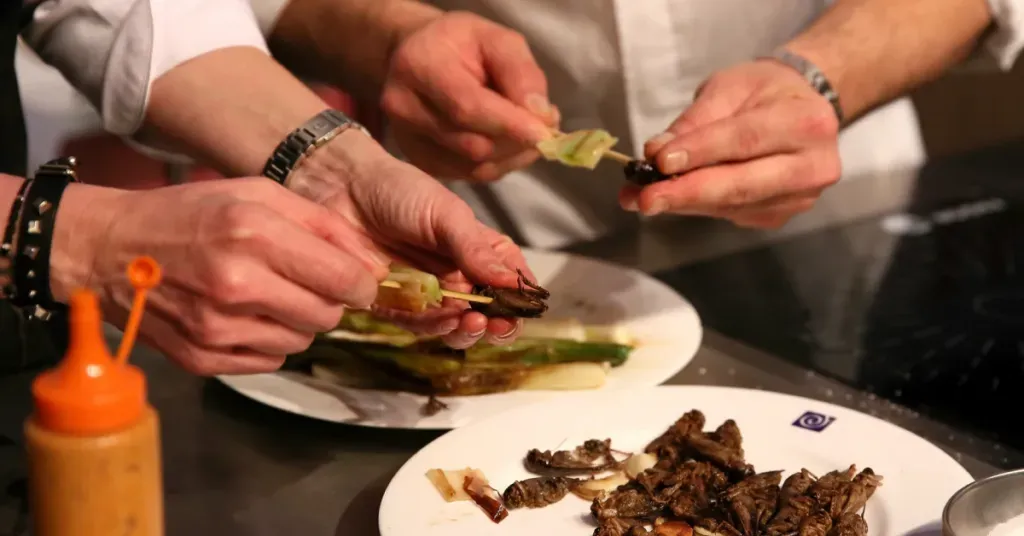
Contemporary chefs in Oaxaca and beyond are reimagining chapulines in exciting ways. You might find them infused into oils, ground into spice rubs, sprinkled over salads, blended into energy bars, or even folded into chocolate. These innovations bring international culinary techniques together with ancestral ingredients, introducing chapulines to a global audience. Whether served as a crispy topping on a gourmet pizza or ground into flour for artisanal crackers, chapulines prove that tradition and innovation can coexist beautifully on the same plate.
Cultural Significance: More Than Just Food
Chapulines in festivals and rituals
In Oaxaca, chapulines carry meaning far beyond their taste. During the Guelaguetza — Oaxaca’s most important cultural festival — chapulines accompany harvest celebrations, symbolizing abundance and the continuity of life. They also appear in Day of the Dead offerings (ofrendas), reflecting their role as an ancestral food that connects the living with those who have passed.
In some communities, chapulines are considered a gift from nature and are used as offerings of gratitude to deities of fertility and abundance, reflecting the sacred relationship between people, the land, and the divine.
A pillar of the local economy
The chapulines trade supports entire families and communities across the Oaxacan valleys. From the harvesters who collect them by hand in the fields to the vendors who sell them in the markets, chapulines fuel a circular economy that has sustained rural livelihoods for generations. This commercial chain provides employment opportunities while keeping cultural traditions alive.
Oaxacan culinary identity
For Oaxacans, cooking and eating chapulines is an expression of pride in their heritage. This edible insect represents the diversity and innovation of Oaxacan cuisine — a willingness to experiment with flavors and techniques while staying rooted in tradition. When you eat chapulines, you are not just having a snack. You are participating in a culinary tradition that stretches back thousands of years.
Chapulines have also become a symbol of sustainability. Their breeding and harvesting have minimal environmental impact, they reproduce quickly in large numbers, and their collection requires no pesticides or fertilizers. As the world searches for more sustainable protein sources, Oaxaca’s ancient practice is becoming increasingly relevant.
Frequently Asked Questions
Are chapulines safe to eat?
Yes. Chapulines have been consumed safely in Oaxaca for thousands of years. As with any food, make sure you buy them from reputable vendors or markets where they have been properly cleaned and toasted. Avoid eating raw or undercooked chapulines. People with shellfish allergies should exercise caution, as insects and shellfish share similar proteins that can trigger allergic reactions.
What do chapulines taste like?
Chapulines have an earthy, slightly tangy flavor with a satisfying crunch. The garlic, lime, and chili seasoning gives them a salty, savory, and mildly spicy kick. Many people compare the texture to a light, crispy snack — somewhat like a cross between roasted nuts and chicharron with a hint of the sea.
How much do chapulines cost in Oaxaca?
Chapulines are very affordable in Oaxaca’s markets. Expect to pay around 70 to 100 Mexican pesos per kilogram (roughly 4 to 6 USD). Small snack-sized bags are even cheaper. Prices can vary slightly by season and size — smaller chapulines tend to be pricier because they are considered more delicate in flavor.
Are chapulines vegetarian or vegan?
No. Chapulines are insects, which means they are an animal product. However, many people interested in sustainable and ethical eating do include insects in their diet because of the minimal environmental impact and the absence of the welfare concerns associated with conventional livestock farming.
How should I store chapulines?
Toasted chapulines should be stored in an airtight container in a cool, dry place. Properly stored, they can last several weeks without losing their crunch or flavor. If you buy fresh (untoasted) chapulines, refrigerate them and consume them within a day or two, or toast them promptly for longer shelf life.
Final Thoughts
Chapulines are more than a novelty or a dare for adventurous travelers — they are a living piece of Oaxaca’s history, a sustainable protein source that the modern world is only now catching up to, and, above all, genuinely delicious.
Next time you visit Oaxaca, skip the hesitation and head straight to the market. Grab a bag, squeeze some lime on top, and give them a try. You might just find yourself coming back for more — and if the saying is true, you might never leave.
Continue discovering the flavors of Oaxaca: