
Chapulines: Oaxaca's Surprising Culinary Delight
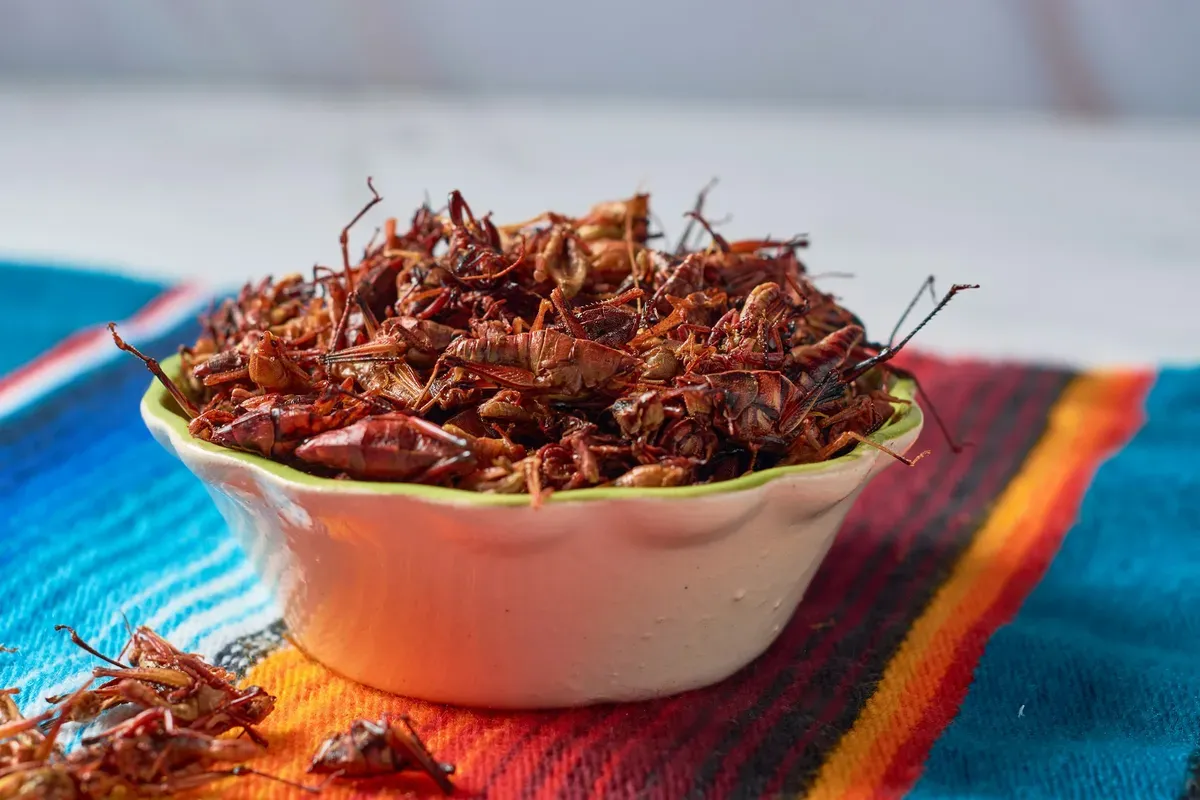
Have you ever tried a dish that defies culinary conventions yet surprises you with its delicious flavor?
Welcome to Oaxaca, a place where chapulines — those tiny, jumping insects — stand tall as a true gastronomic delicacy.
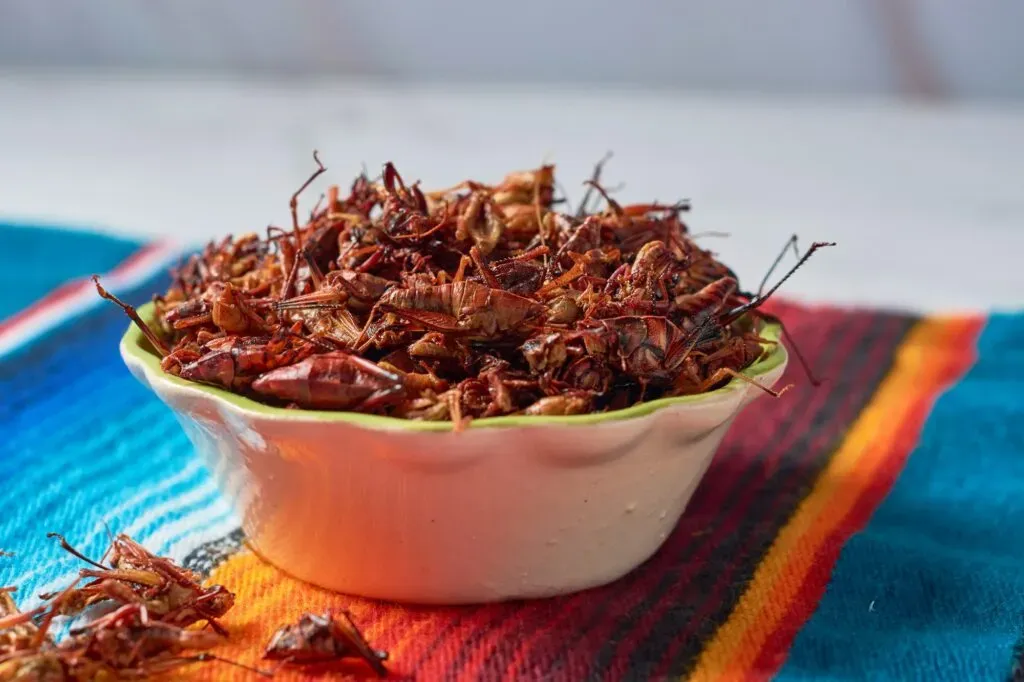
These small insects have been an important part of Oaxacan culture and cuisine since ancient times, and today they enjoy popularity among locals and adventurous tourists alike.
“Oaxacan cuisine is a feast for the senses, and chapulines play a starring role in this unique culinary experience.”
In this article, we’ll dive into the fascinating world of chapulines: from their origins in the vibrant Oaxacan markets to their transformation into authentic traditional and modern delicacies.
Get ready to discover the charm of these insects that have won over palates for generations and continue to make waves.
The Insect That Wins Over Palates: What Are Chapulines?
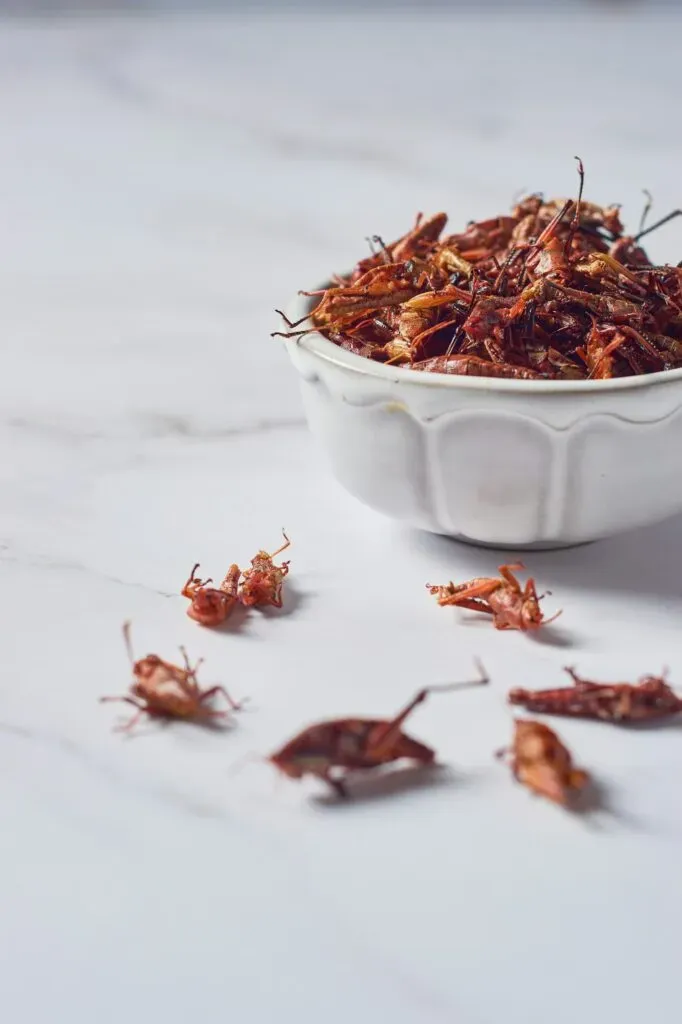
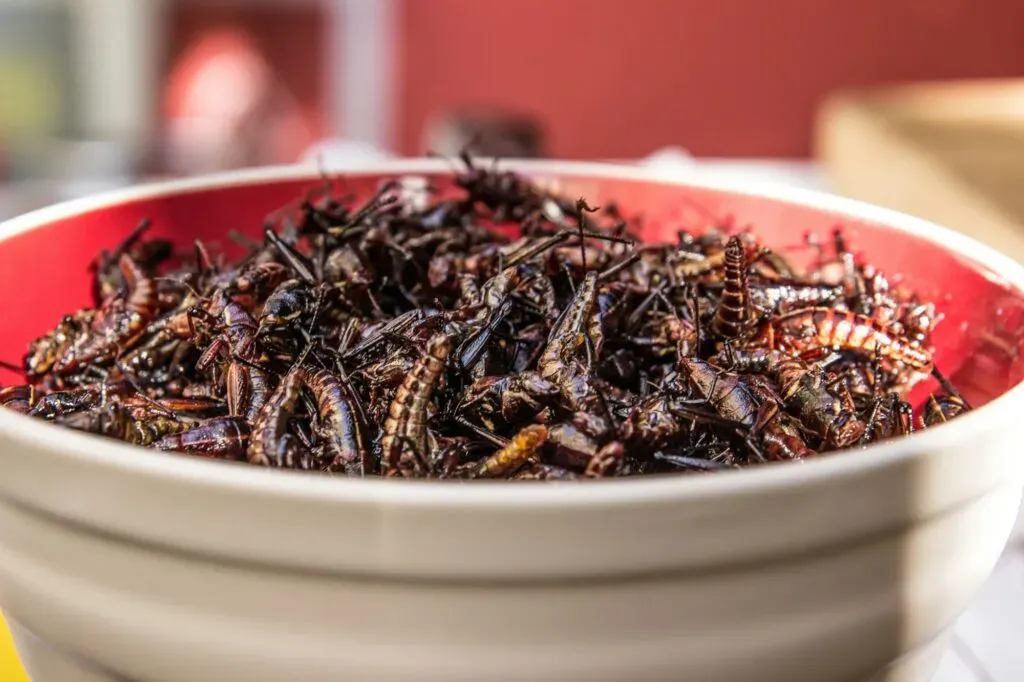
Chapulines, known for their distinctive flavor and culinary versatility, are a type of grasshopper considered a true delicacy in Oaxacan cuisine.
Native to this southern Mexican region, these insects have been an integral part of the local diet for centuries.
In Oaxacan culture, chapulines are valued not only for their flavor but also for their symbolic and cultural significance.
The traditional technique of harvesting and preparing chapulines has been passed down from generation to generation, preserving a culinary legacy as vibrant as the flavors it offers.
They’re used in a variety of dishes, from tacos and tlayudas to simply toasted and seasoned as a snack. What makes them so special? Their ability to absorb the flavors of other ingredients when cooked, delivering a unique and exciting flavor profile that delights the palate.
Moreover, eating chapulines is a perfect example of how traditional, sustainable food practices can align with contemporary dietary trends. This insect is gaining popularity outside of Mexico for its nutritional profile and low environmental impact.
From Market to Table: Where to Find Chapulines in Oaxaca
When it comes to exploring Oaxaca’s vibrant gastronomy, one ingredient you simply can’t miss is chapulines.
These little grasshoppers are not only a delicacy but also an essential part of the region’s culinary heritage.
If you want to experience chapulines like a true Oaxacan, head to the local markets. The Mercado Benito Juarez and Mercado 20 de Noviembre in Oaxaca City are two excellent starting points.
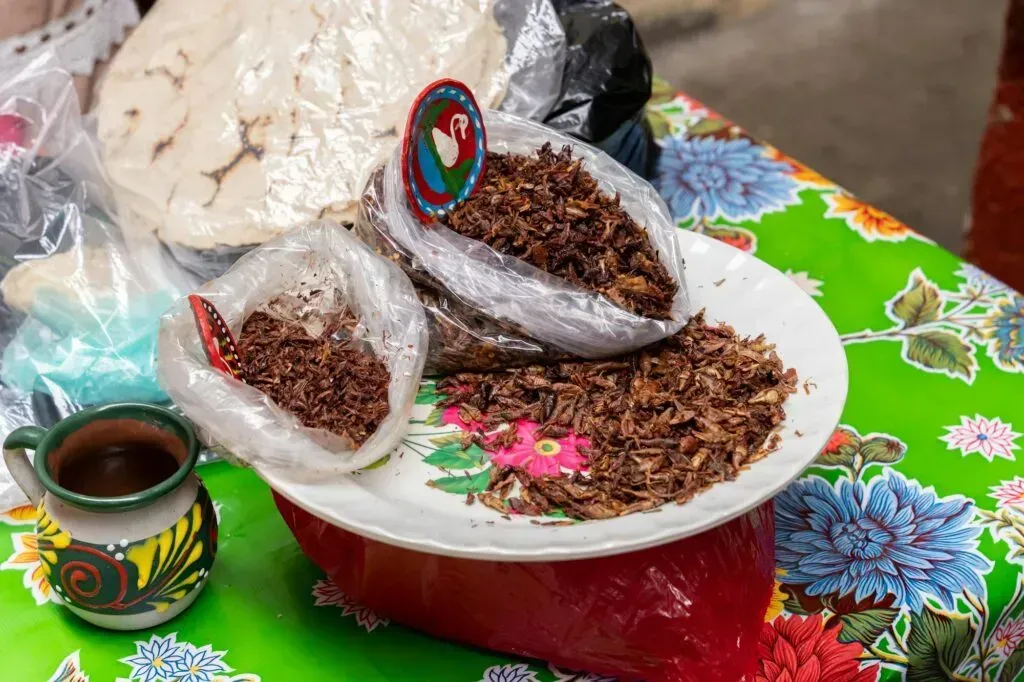
Here, you’ll find stalls brimming with fresh chapulines, seasoned with garlic, lime, and salt, ready to be added to a variety of dishes.
Chapulines are usually sold in small bags or by weight, making it easy and affordable to buy just the right amount for your needs. Don’t hesitate to chat with the vendors, who will happily offer free samples and tips on how to best incorporate them into your recipes.
Beyond the markets, chapulines can also be found in many traditional restaurants. You can enjoy a delicious tlayuda with chapulines or savor them in a gourmet taco while exploring the colorful streets of Oaxaca.
Exploring the chapulines offerings at these locations not only provides a unique culinary experience but also a cultural immersion that connects you deeply with the history and traditions of the Oaxacan people.
Traditional Chapulines Recipes: Authentic Regional Flavors
Imagine a unique blend where chapulines become the stars of the Oaxacan table. These small insects, rich in flavor and nutrients, are incredibly versatile in local cuisine. One of the most popular dishes is the chapulines taco, combining them with corn tortillas, a touch of avocado, and a pinch of chile. This delicious preparation stands out for its crunchy texture and distinctive flavor.
Another iconic dish is mole with chapulines. This traditional recipe blends mole — a complex sauce of chiles and spices — with chapulines, creating a perfect balance of sweet, spicy, and umami. Typically served with rice or tortillas, this dish is a true representation of Oaxaca’s culinary richness.
For a more innovative twist, try the chapulines quesadilla. Here, chapulines are combined with quesillo, typically known as Oaxacan cheese, and a touch of epazote, creating a delightful contrast of flavors. This quesadilla is a wonderful example of how traditional ingredients can be reinvented while maintaining their authentic essence.
We can’t forget chapulines salsa. This preparation is made by grinding chapulines with dried chiles, garlic, and lime juice, resulting in a spicy, flavorful sauce that’s perfect for accompanying meats and other dishes.
All of these recipes are not only a delight for the palate but also reflect the heritage and diversity of Oaxacan cuisine, where chapulines remain one of the most treasured gastronomic gems.
Nutritional Benefits of Eating Chapulines: A Protein Powerhouse
Chapulines are an essential part of the diet in many cultures, and their inclusion in Oaxacan cuisine goes far beyond their unique flavor. These small insects are a powerful source of protein, making them an excellent option for supplementing your daily nutrition.
Compared to traditional meat, chapulines are low in fat and rich in nutrients like zinc and iron — critical minerals for overall well-being. They’re also a considerable source of B vitamins, which support energy metabolism and contribute to nervous system health.
For those seeking more sustainable and environmentally friendly options, chapulines are an ideal alternative. Chapulines production emits significantly fewer greenhouse gases and requires fewer resources compared to conventional livestock farming. By choosing to include them in your diet, you gain not only nutritional benefits but also support the well-being of the planet.
In short, by incorporating chapulines into your diet, you’ll not only be exploring new culinary horizons but also supporting a healthy and sustainable approach to eating. They’re a small nutritional wonder you shouldn’t overlook.
Chapulines in Modern Cuisine: Innovation and Creativity
Imagine a dish where tradition and innovation come together — that’s exactly what happens with chapulines in modern cuisine! These tiny grasshoppers, which have been an essential element of Oaxacan cooking since ancient times, are now being reimagined by contemporary chefs who seek to innovate without losing touch with Mexico’s cultural roots. From succulent salads that expand your culinary horizons to creative tacos that delight the palate, chapulines have become a symbol of gastronomic creativity.
Modern chefs experiment with chapulines by introducing them into dishes that combine international culinary techniques with local flavors, adding a touch of sophistication while remaining authentic. This delicious insect appears on gourmet menus, infused into oils or blended into spice mixes, delivering an unexpected crunch that breaks with convention.
Furthermore, using chapulines represents a movement toward more sustainable and conscious eating. With a lower ecological footprint compared to other protein sources, these insects not only enrich Mexican cuisine by modernizing it but also promote responsible food practices. So, the next time you see chapulines on a modern menu, go ahead and try them — enjoy a truly unique and forward-thinking experience.
FAQ
What do chapulines taste like?
Chapulines typically have an earthy, slightly tangy flavor, often seasoned with garlic, chile, and lime, which gives them a salty and spicy kick.
Are chapulines safe for human consumption?
Yes, chapulines are safe for human consumption and have been part of the traditional Oaxacan diet for centuries. However, it’s important to ensure they are well-cooked and clean.
Are chapulines expensive in Oaxaca?
The price of chapulines can vary depending on the location and season. However, at local markets in Oaxaca, they tend to be quite affordable.
Can I find chapulines outside of Oaxaca?
Yes, although they are most common in Oaxaca, their popularity has grown and you can find them in specialty shops and restaurants in other parts of the world.
How should chapulines be stored?
Toasted chapulines should be stored in a cool, dry place. Keeping them in an airtight container will help preserve their freshness longer.
Conclusions
Chapulines, an Oaxacan delight with centuries of tradition, continue to win over both locals and tourists with their unique flavor and nutritional benefits. As we explore Oaxaca’s rich gastronomic heritage, chapulines remind us of the importance of valuing and preserving these culinary traditions.
Venture into the kitchen, experiment with chapulines in modern recipes, or simply enjoy them the most authentic way. Without a doubt, these little hoppers will keep jumping into the hearts and palates of those seeking a truly Oaxacan experience.
Discover more about Oaxacan gastronomy: