
Holy Week in Oaxaca: Semana Santa Guide
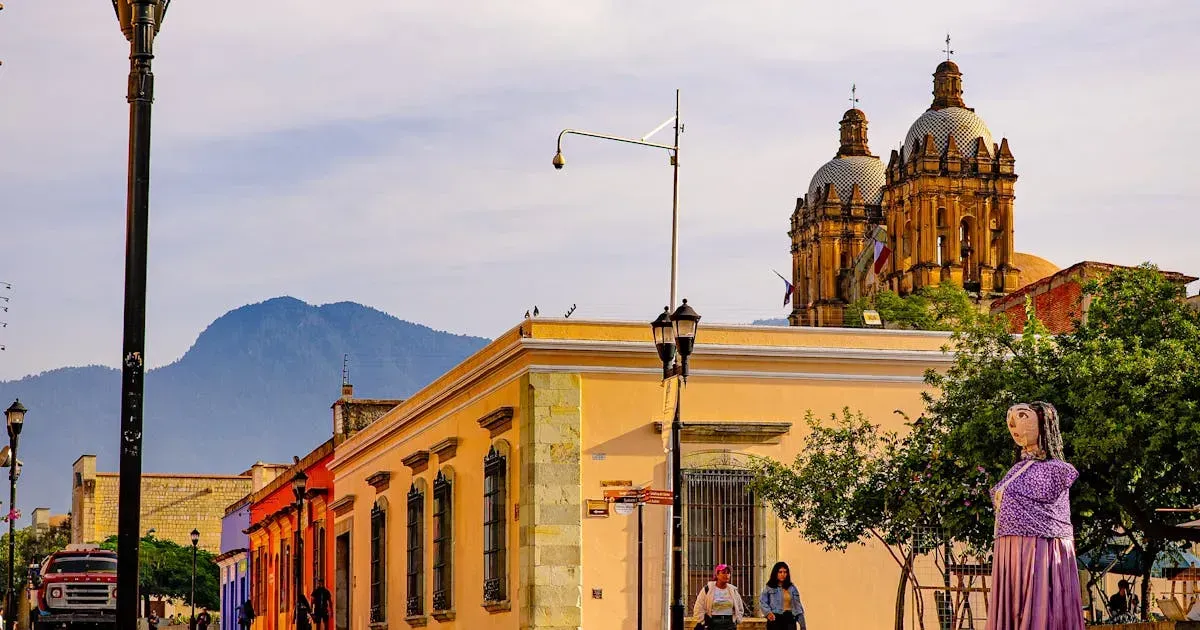
Semana Santa (Holy Week) transforms Oaxaca into one of the most visually and spiritually intense places in Mexico. From Palm Sunday through Easter Sunday, the city’s colonial streets become stages for elaborate religious processions, the air fills with the fragrance of copal incense and fresh flowers, and artisans create extraordinary tapetes de aserrín — sawdust carpets of astonishing intricacy — along the procession routes. It is a deeply Mexican experience that blends Catholic tradition with indigenous spirituality, colonial ritual with contemporary devotion.
For travelers, Semana Santa offers an unforgettable window into Oaxacan faith and culture. It is also one of the busiest travel periods of the year in Mexico, which means advance planning is essential. This guide covers the full schedule of events, the special foods and traditions, practical travel advice, and how to experience Holy Week with respect and understanding.
When Is Semana Santa?
Semana Santa follows the Western Christian calendar and shifts dates each year. It begins on Palm Sunday (Domingo de Ramos) and ends on Easter Sunday (Domingo de Resurrección). The most intense period is the Triduum — Holy Thursday, Good Friday, and Holy Saturday.
In Mexico, the broader vacation period is called “Semana Santa y Pascua” and covers two full weeks: the week before Easter (Semana Santa proper) and the week after (Semana de Pascua). Schools close for both weeks, and many Mexican families travel during this period.
Key dates for upcoming years:
- 2027: March 21 - April 4
- 2028: April 9 - April 23
- 2029: March 25 - April 8
Plan to be in Oaxaca at least from Wednesday of Holy Week through Easter Sunday to experience the most significant events.
Day-by-Day Schedule of Events
Domingo de Ramos (Palm Sunday)
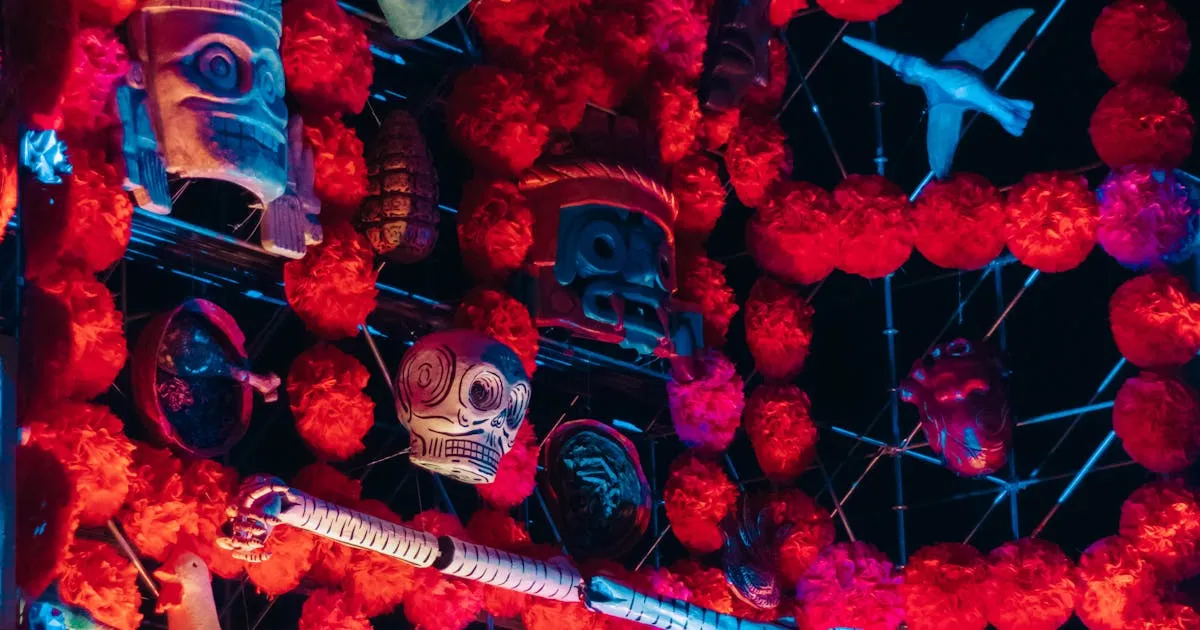
Holy Week begins with Palm Sunday, commemorating Jesus’s entry into Jerusalem. In Oaxaca, the day is marked by special masses at churches throughout the city. Parishioners bring palm fronds to be blessed — many of these are woven into elaborate crosses, flowers, and figurines by skilled artisans.
Outside the major churches, particularly the Catedral de Oaxaca on the Zócalo and the Templo de Santo Domingo, vendors sell woven palm creations ranging from simple crosses (10-30 MXN / $0.50-$2 USD) to intricate sculptural pieces.
What to do: Attend the morning mass at Santo Domingo (arrive by 9:30 AM for the 10:00 AM service) and watch families stream out carrying their blessed palms. The atmosphere is festive rather than solemn — this is a celebration.
Lunes Santo to Miércoles Santo (Monday to Wednesday of Holy Week)
These early days of Holy Week are relatively quiet in terms of public events, but the city is building toward the intensity of the Triduum. This is a good time to:
- Visit the churches in the Centro Histórico, many of which display special altars and floral arrangements for the season
- Watch artisans begin constructing the tapetes de aserrín (sawdust carpets) along the streets where processions will pass later in the week
- Explore the markets, where vendors sell special Semana Santa foods and ingredients
- Take day trips to Monte Albán, Hierve el Agua, or the artisan villages while the city is still relatively calm
Jueves Santo (Holy Thursday)
Holy Thursday commemorates the Last Supper and is one of the most important days of the religious calendar. In Oaxaca, several traditions converge:
The Visita de las Siete Casas (Visit of the Seven Houses): After the evening mass of the Last Supper, parishioners traditionally visit seven different churches to pray at each one, symbolizing the stations of Jesus’s arrest and trial. In Oaxaca’s compact Centro Histórico, this is a beautiful experience — the churches are lit by candles, decorated with flowers, and filled with the sound of prayer and music. The main circuit includes the Catedral, Santo Domingo, La Soledad, La Compañía, San Felipe Neri, El Carmen, and San Juan de Dios.
This is a walking tradition. Join the groups of families moving from church to church through the darkened streets. The procession is informal — you walk at your own pace, entering each church to pray or simply observe.
Evening processions: Several parishes organize evening processions through their neighborhoods, with participants carrying religious images, candles, and flowers. The procession from the Templo de la Preciosa Sangre de Cristo is among the most evocative.
Viernes Santo (Good Friday)
Good Friday is the emotional and visual climax of Semana Santa in Oaxaca. The day commemorates the crucifixion and death of Jesus, and the city observes it with solemnity, artistic expression, and deep community participation.
The Procession of Silence (Procesión del Silencio):
The most powerful event of Holy Week begins in the late afternoon or early evening. Participants walk in complete silence through the streets of the Centro Histórico, carrying life-sized wooden images of Christ, the Virgin Mary, and saints on elaborately decorated andas (platforms). The procession includes:
- Penitentes: Men and women in purple or black robes, many with faces covered, walking barefoot as acts of penance
- Nazarenos: Participants wearing conical hoods and robes, a tradition with centuries-old roots in Spanish Catholicism
- Brass bands: Playing somber funeral marches in the pauses between silence
- Cloud of copal incense: Incense bearers walking ahead of each image, filling the streets with aromatic smoke
The procession typically departs from a neighborhood church and winds through the Centro Histórico to the Zócalo. Routes vary by parish, but the most significant procession starts around 5:00 or 6:00 PM and can last 2 to 3 hours. Check with your hotel or the tourist information office on the Zócalo for the exact route and timing.
The Tapetes de Aserrín (Sawdust Carpets):
Along the procession route, community groups and families create extraordinary tapetes de aserrín — large-format designs laid directly on the street using colored sawdust, flower petals, seeds, pine needles, and other natural materials. These temporary works of art depict religious scenes, indigenous symbols, and geometric patterns. They can measure 3 to 6 meters (10 to 20 feet) in length and take hours to create.
The carpets are made to be walked over by the procession — their beauty is intentionally ephemeral. Watching artisans create them during the day, then seeing the procession pass over them at dusk, is one of the most moving artistic experiences you can have in Oaxaca.
Where to see the carpets: The streets around La Soledad, Macedonio Alcalá, and the routes between neighborhood churches and the Zócalo are the most common locations. Walk the procession route in the afternoon to see them being made.
The Crucifixion Reenactment:
Some neighborhoods and outlying communities stage dramatizations of the Via Crucis (Way of the Cross), with community members playing the roles of Jesus, Roman soldiers, and biblical figures. These can be emotionally intense. The reenactments in Xoxocotlán (just south of Oaxaca City) and other satellite communities are particularly elaborate.
Sábado Santo (Holy Saturday)
Holy Saturday is a day of waiting and reflection. Many churches hold a morning service called the Vigilia Pascual (Easter Vigil), which begins in darkness and culminates in the lighting of the Paschal Candle — symbolizing the Resurrection.
In some Oaxacan communities, Holy Saturday includes the Quema de Judas (Burning of Judas), where papier-mâché figures representing Judas Iscariot (and often contemporary political figures or cultural villains) are filled with firecrackers and exploded in public squares. This tradition is joyful and cathartic — a release of tension after the solemnity of Good Friday.
The Burning of Judas events are less predictable in Oaxaca City than in other Mexican cities, but they often occur in neighborhood plazas and smaller communities around the valley.
Domingo de Resurrección (Easter Sunday)
Easter Sunday celebrates the Resurrection with morning masses, family gatherings, and festive meals. The mood shifts dramatically from the solemnity of Good Friday to celebration. Churches are decorated with white flowers, and congregations dress in their best clothing.
This is primarily a family day in Mexico. Restaurants may have special Easter menus, and some hotels and resorts organize Easter brunches. The Zócalo and public parks fill with families enjoying the holiday.
Special Foods of Semana Santa
Semana Santa in Oaxaca brings distinctive seasonal foods, many tied to Catholic fasting traditions that restrict meat consumption during Lent and Holy Week:
Capirotada
A bread pudding made with bolillo (Mexican bread), piloncillo (unrefined sugar) syrup, cinnamon, cloves, raisins, peanuts, and aged cheese. Each ingredient carries religious symbolism — the bread represents the Body of Christ, the syrup His blood, the cinnamon the wood of the cross. Variations abound across families and regions. Found in bakeries and markets throughout Lent.
Where to try it: Market comedores and bakeries, especially in the weeks leading up to Easter. 20-50 MXN ($1-$3 USD) per serving.
Romeritos
A dish of wild greens (romeritos, a type of seepweed) cooked in mole with dried shrimp cakes (tortitas de camarón seco) and nopal cactus. This is the quintessential Lenten meal — satisfying, complex in flavor, and meat-free. It is served particularly on Holy Thursday and Good Friday.
Tortas de Camarón
Dried shrimp patties served in a tomato and chipotle sauce, often with nopales. A Lenten staple found throughout Oaxacan markets during Holy Week.
Price: 60-100 MXN ($3-$5 USD) per plate at market comedores.
Chiles Rellenos de Picadillo
Stuffed chiles (typically chile ancho or chile pasilla oaxaqueño) filled with a mixture of dried fruits, nuts, and spices — a Lenten version without meat. Served in a light tomato sauce.
Special Breads
Bakeries produce special pan de Semana Santa, including:
- Pan de muerto (Lenten version): Not to be confused with the Day of the Dead bread. This Lenten bread is simpler — egg-enriched dough flavored with anise and orange zest.
- Roscas and pan de yema: Traditional Oaxacan egg breads appear in abundance during the holiday.
Nieves (Sorbet) and Aguas Frescas
The warm spring weather during Semana Santa coincides with mango and other tropical fruit seasons. Nieves (sorbets) in flavors like mango, leche quemada (burnt milk), tuna (prickly pear), and beso de ángel are everywhere.
Practical Travel Tips
Book Accommodation Early
Semana Santa is the second-busiest travel period in Oaxaca after the Guelaguetza/Day of the Dead season. Hotels fill up weeks or months in advance, and prices increase by 20-50% above regular rates.
- When to book: At least 4 to 8 weeks before Holy Week for mid-range and luxury hotels. Our where to stay guide covers the best neighborhoods and accommodation types. Budget options can sell out even earlier.
- Price increases: Budget accommodation during Semana Santa typically runs 400-800 MXN ($22-$43 USD) per night compared to the usual 250-500 MXN ($14-$27 USD). Mid-range hotels: 2,000-4,000 MXN ($108-$216 USD) compared to the usual 1,200-2,500 MXN ($65-$135 USD).
- Minimum stays: Some hotels impose 3 to 4-night minimums during Semana Santa.
- Alternative options: Consider staying in nearby communities like Teotitlán del Valle, Tlacolula, or San Pablo Etla, which offer quieter accommodation with easy access to the city.
Transportation
- Flights: Book flights 6 to 10 weeks in advance. Fares to Oaxaca from Mexico City can double during Semana Santa — expect 2,000-4,000 MXN ($108-$216 USD) one way compared to the usual 800-1,500 MXN ($43-$81 USD).
- Buses: First-class buses (ADO, OCC) from Mexico City, Puebla, and other cities fill up quickly. Book online at least 2 weeks ahead.
- Within Oaxaca: The Centro Histórico becomes more congested than usual, and some streets close for processions. Walking is the best way to get around during Holy Week. For day trips, book tours in advance — they sell out.
What to Bring
- Sun protection: Semana Santa falls in late March or April, which is dry season. Expect strong sun — bring sunscreen, a hat, and sunglasses.
- Layers: Daytime temperatures reach 28-32 C (82-90 F), but evenings can cool to 12-15 C (54-59 F). Evening processions require a light jacket.
- Comfortable walking shoes: You will be on your feet for hours during processions, often on cobblestone streets.
- Cash: Markets and smaller vendors are cash-only. ATMs can run out during peak holiday periods — withdraw cash before Thursday of Holy Week.
- Camera with a good low-light mode: The evening processions are best photographed in available light. Flash is disruptive and disrespectful during solemn moments.
- Patience: Expect crowds, closed streets, and longer wait times at restaurants. Embrace the slower pace — it is part of the experience.
Photography and Etiquette
Semana Santa events are religious observances, not performances. Here are guidelines for respectful participation:
- During processions: You are welcome to watch and photograph from the sidewalks. Do not block the path of the procession or insert yourself among the participants. Avoid flash photography during solemn moments (particularly the Procession of Silence).
- Inside churches: Photography is generally allowed during regular visits but restricted during services. Turn off your phone’s ringer and refrain from talking during mass.
- Sawdust carpets: Do not walk on the tapetes before the procession passes. They are created specifically to be walked over by the religious images and participants — destroying them prematurely is deeply disrespectful.
- General: Dress modestly when entering churches (cover shoulders and knees). Remove hats inside churches.
Combining Semana Santa with Other Destinations
Semana Santa is peak travel season across all of Mexico, not just Oaxaca. If you plan to extend your trip, consider these options:
Oaxaca City + Puerto Escondido or Huatulco
Spend Holy Week in the city for the processions and cultural events, then head to the coast for the Semana de Pascua (the week after Easter). Beach towns are busy but the weather is excellent — warm, dry, and perfect for swimming.
- Puerto Escondido: 6-7 hours by bus or 30 minutes by small plane from Oaxaca City. Hotels book up, so plan ahead.
- Huatulco: 5 hours by bus or 45 minutes by flight. More resort-oriented, with calmer beaches and excellent snorkeling.
Oaxaca City + Artisan Villages
Use the quieter early days of Holy Week (Monday to Wednesday) for day trips to artisan villages, then stay in the city Thursday through Sunday for the main events. This combination lets you experience both the craft traditions and the religious traditions of Oaxaca in a single week.
Oaxaca City + Monte Albán + Mitla
The archaeological sites are open during Semana Santa but can be more crowded than usual. Visit Monte Albán early in the morning (arrive by 8:30 AM) to beat the groups. The Hierve el Agua-Mitla-Mezcal day trip combination is doable on any day of the week.
Why Semana Santa in Oaxaca Matters
Semana Santa in Oaxaca is not simply a Catholic ritual transplanted from Spain. Over five centuries, it has been absorbed, transformed, and enriched by indigenous spiritual traditions. The copal incense burned during processions is the same sacred resin used in Zapotec ceremonies millennia before the Spanish arrived. The sawdust carpets echo the tradition of creating elaborate temporary altars for pre-Hispanic festivals. The concept of death and rebirth central to Easter resonates with Mesoamerican cosmology, where cycles of destruction and renewal are fundamental to the understanding of time.
What you witness during Semana Santa in Oaxaca is a living syncretic tradition — neither purely Catholic nor purely indigenous, but something uniquely Oaxacan that honors both roots. The solemnity of the processions, the artistry of the carpets, the flavors of the seasonal food, and the warmth of community participation create an experience that transcends religious boundaries.
Whether or not you share the faith that drives these observances, the humanity and beauty of Semana Santa in Oaxaca are universal. It is one of those travel experiences that reaches beyond sightseeing and touches something deeper — the shared human impulse to mark time, honor suffering, and celebrate renewal.
Continue exploring Oaxacan culture and traditions: