
Hidden Flavors of Oaxaca: Beyond Mole & Tamales
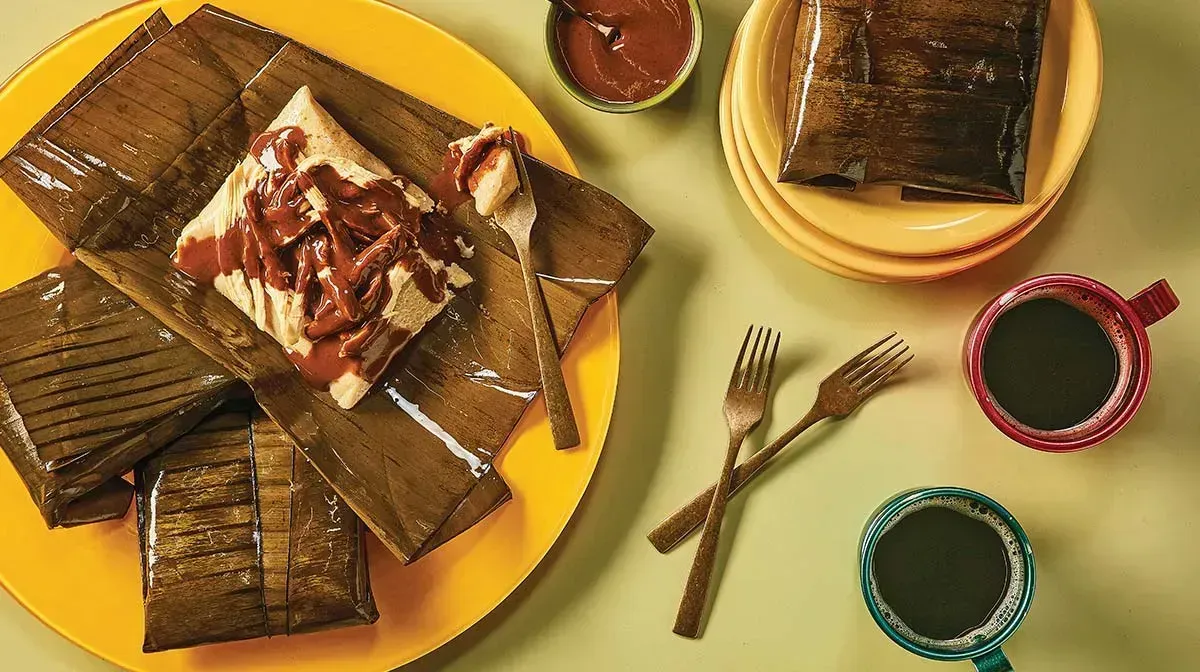
Oaxacan cuisine goes far beyond the famous mole and tamales. While those iconic dishes deserve their reputation, the culinary richness of the region encompasses a surprising variety of lesser-known traditional foods and beverages that are equally delicious and authentic. From toasted chapulines to the ancient drink tejate, a journey filled with flavor and discoveries awaits every food lover willing to explore deeper into Oaxaca’s gastronomic world.
The Diversity of Oaxacan Cuisine
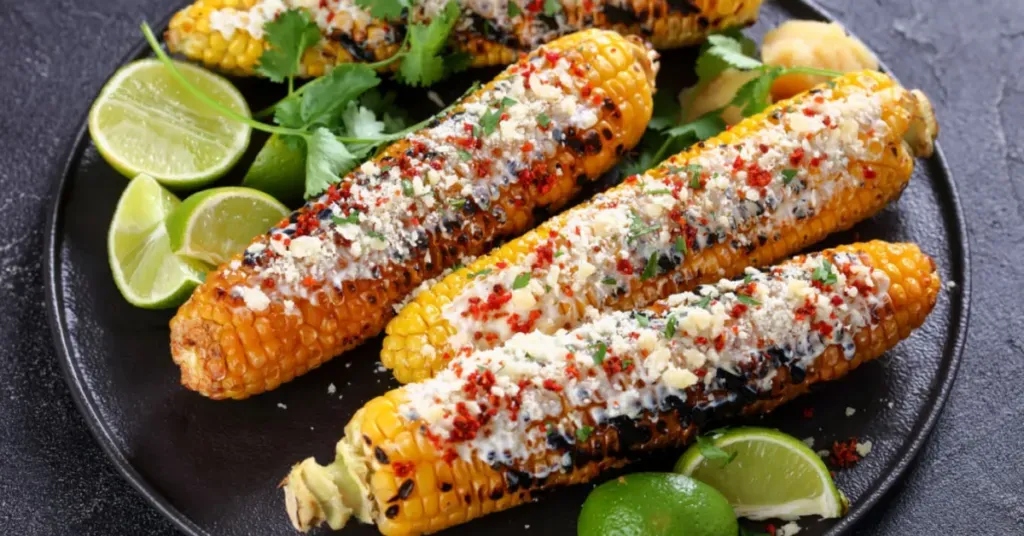
Oaxacan cuisine is a tapestry woven with threads of tradition, geography, and community. Marked by rich diversity originating from its eight regions, each offers unique dishes and flavors. Oaxaca is a celebration of biodiversity, with ingredients ranging from wild herbs to specific types of corn and chilies. The people of Oaxaca not only cook their food but also narrate stories through them, connecting the present with ancestral past.
Pre-Hispanic Influence on Oaxacan Flavors
The pre-Hispanic influence on Oaxacan cuisine is most evident in its respect for native ingredients and traditional preparation methods. Fundamental ingredients like corn, beans, and chilies remain pillars of its gastronomy. Additionally, practices such as using molcajetes to grind spices or cooking on clay griddles preserve cooking techniques passed down through generations. Gastronomic experts and local chefs, such as Alejandro Ruiz, emphasize the importance of these traditions and how they have shaped unique dishes like memelas, tlayudas, and tesmole.
The Ceremonial Meaning of Food in Oaxaca
In Oaxaca, food holds a significance beyond nutrition; it is essential in ceremonies and festivities. For example, Oaxacan chocolate, handmade and combined with water or milk, is an indispensable element in weddings and baptisms. Similarly, some moles are prepared especially for Saints’ days and Day of the Dead celebrations, moments when Oaxacan flavors become a bridge between the earthly and the spiritual worlds. In the words of cultural activist Norma Hernández, Oaxacan dishes are a way of honoring our ancestors and celebrating life.
Lesser-Known Oaxacan Dishes
When it comes to Oaxacan gastronomy, mole and tamales often come to mind, however, the culinary richness of the region encompasses a variety of lesser-known dishes that are treasures waiting to be discovered by adventurous palates. From insects to ancestral beverages, these flavors offer a deeper insight into Oaxacan culinary tradition.
Chapulines: From the Streets to Famous Restaurants
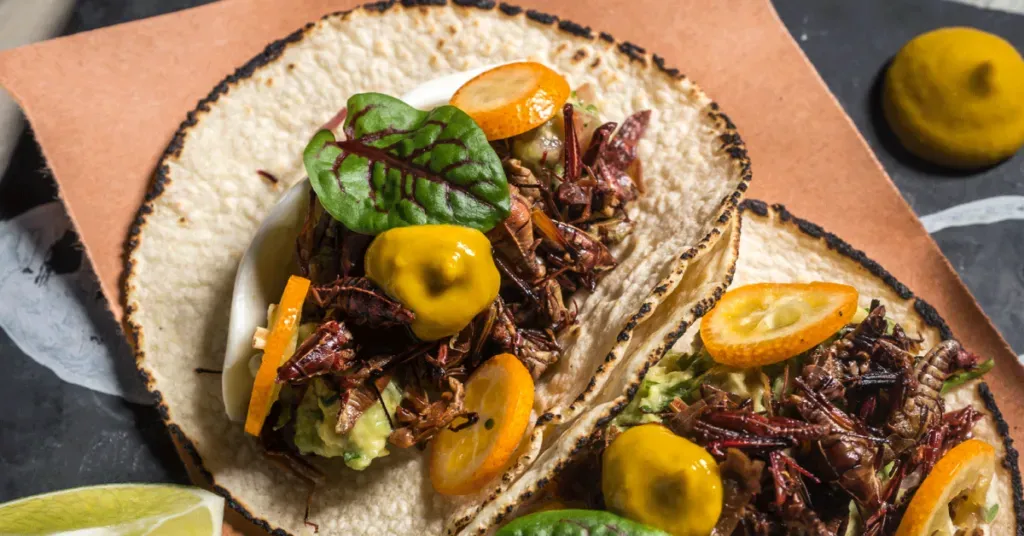
Chapulines, or toasted grasshoppers, are an example of Oaxaca’s unusual yet essential flavors consumed since pre-Hispanic times. With a slightly spicy flavor and a crunchy texture, chapulines have earned a place not only in markets and on the streets of Oaxaca but also in high-end restaurants where innovative chefs like Alejandro Ruíz use them as an ingredient to inspire new dishes. They are commonly consumed as a snack, in tacos, or as a garnish that adds an umami touch and proteins.
Tejate and Hot Chocolate: Traditional Beverages
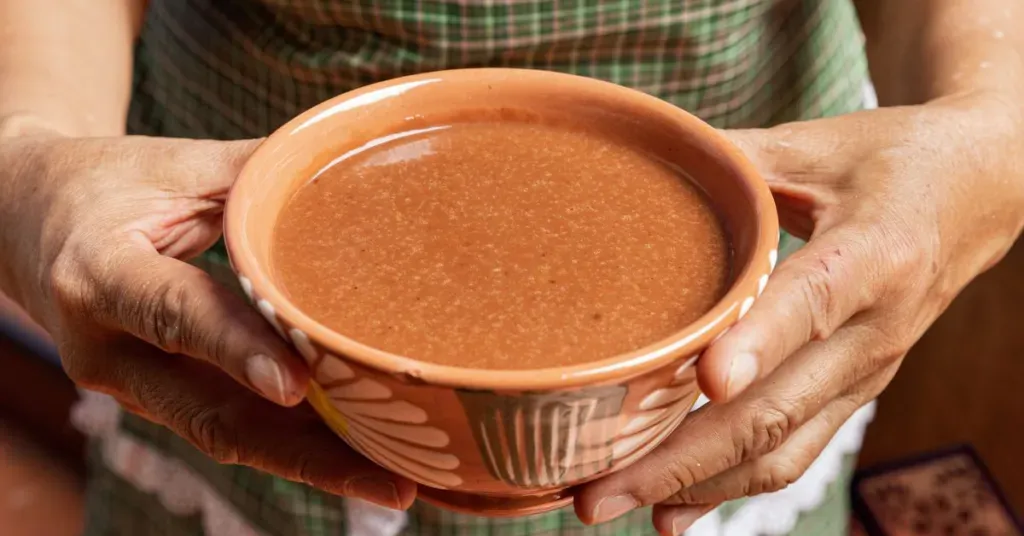
Tejate, known as the drink of the gods, is a refreshing and nutritious beverage made from corn, cacao, mamey seed, and cacao flower, served cold and often found in markets and fairs. Its flavor is unique and evocative of the rich Oaxacan flora. Hot chocolate, on the other hand, is a comforting and cherished beverage throughout the region, especially when prepared with Oaxacan chocolate, ground with cinnamon and other aromatic spices, and mixed until frothy.
Oaxacan Stuffed Chilies: An Explosion of Flavors
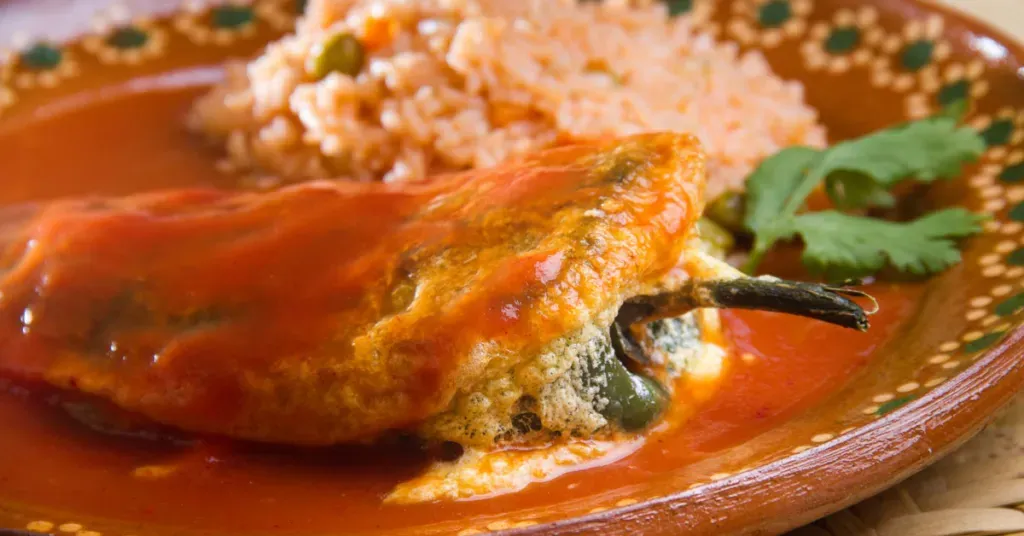
Stuffed chilies in Oaxaca vary from the traditional Mexican version. Made with water chilies, which are native to the region, these culinary jewels are filled with a mixture of meat, herbs, fruits, and spices, and are often bathed in a local tomato sauce or a nut cream sauce. They are a perfect blend of sweet, salty, spicy, and smoky flavors, reflecting the ingenuity and diversity of Oaxacan cuisine.
The Route of Oaxacan Markets
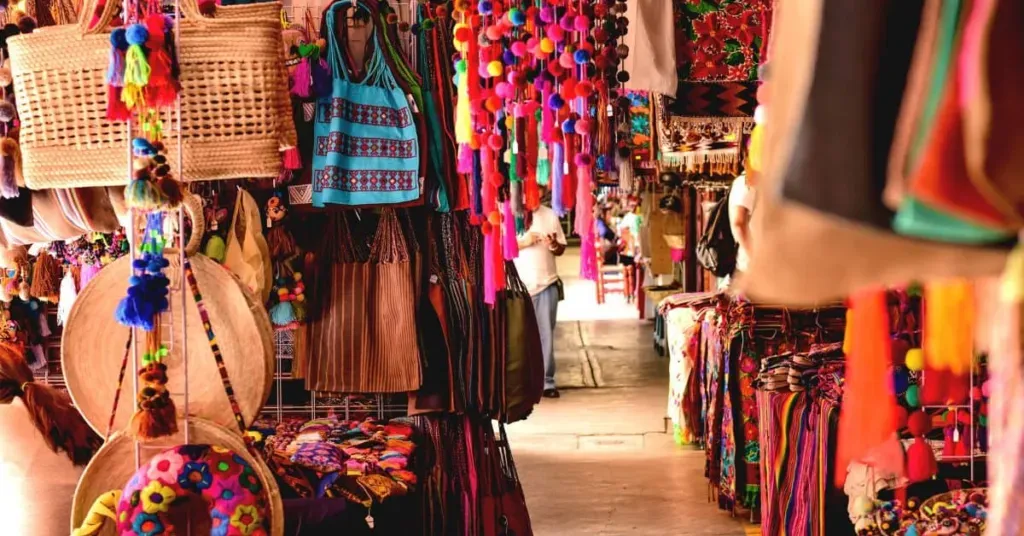
One of the most authentic experiences in any visit to Oaxaca is immersing oneself in the life of its markets. Full of colors, aromas, and flavors, Oaxacan markets are windows to local culture and a feast for the senses. Each one offers a unique experience and reflects the cultural richness of the region.
Benito Juárez Market: The Culinary Heart of the City
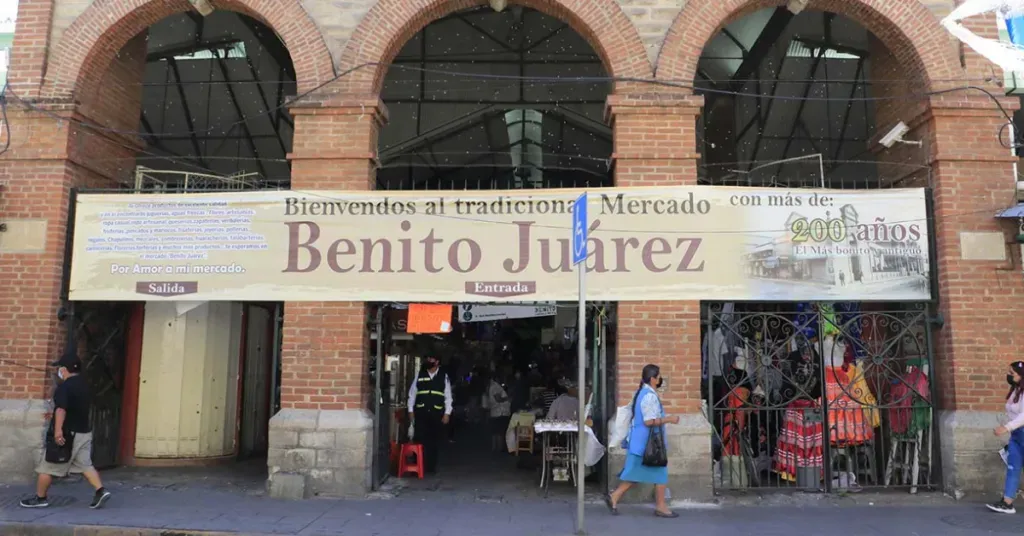
The Benito Juárez Market is a must-visit for any food lover and those seeking to understand Oaxacan life. Here, visitors can find everything from Oaxacan cheeses, locally known as quesillo, to the freshest ingredients to prepare traditional mole. With a labyrinth of stalls, the market invites everyone to explore and taste the various samples of cheese, tamales, and, of course, the famous Oaxacan chocolate.
20 de Noviembre Market: The Temple of Grilled Meats
The 20 de Noviembre Market is a culinary destination that attracts barbecue and meat enthusiasts. This market is famous for its «Pasillo de las Carnes Asadas,» where diners can select their preferred meat and watch it being cooked on hot coals. The aroma of grilled meat fills the air and becomes an experience that delights both locals and tourists alike.
La Merced Market: The Perfect Blend of Local and Tourist Foods
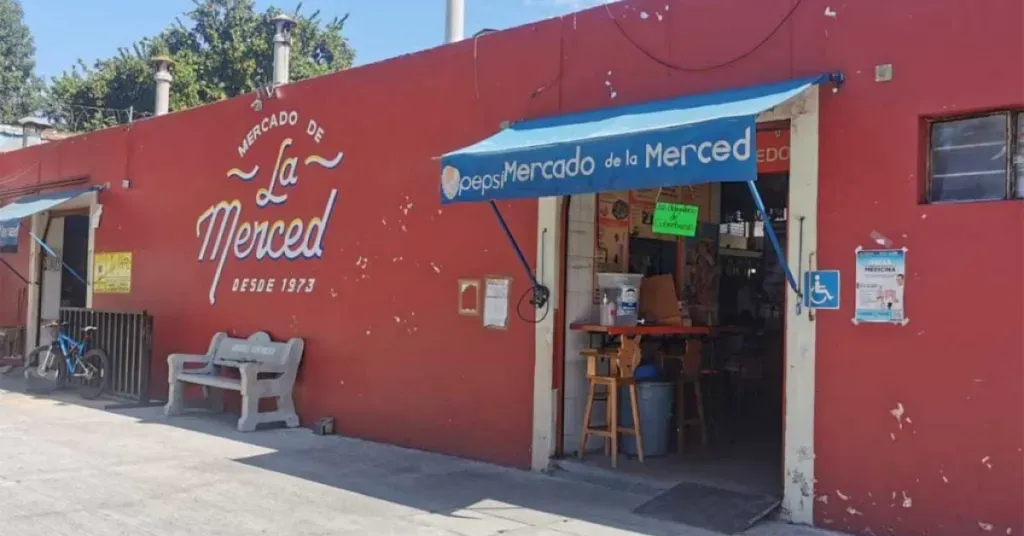
La Merced Market may be smaller than the others, but its charm and offerings make it a must-visit destination. It is known for its traditional Oaxacan breakfasts, including memelas, chilaquiles, and atole. This market offers a balance between tourist-oriented products and authentic local experiences, providing a mix of crafts and groceries that are perfect for both visitors and those seeking fresh local products.
The Importance of Oaxacan Cuisine in the Context of World Gastronomy
Oaxacan cuisine has positioned itself as a pillar of Mexican cultural identity and is gaining increasing recognition worldwide. Its contribution to international gastronomy not only celebrates the diversity and richness of flavors but also highlights the importance of sustainable practices and the use of endemic ingredients. Oaxacan cuisine is a bastion of tradition and innovation, attracting foodies and chefs from around the world who seek to explore its complexities and unique flavors.
Global Influences on Oaxacan Cuisine
While Oaxacan cuisine is deeply traditional, it has not been immune to global influences. Cultural exchanges have introduced new techniques and flavors that local chefs have skillfully incorporated without losing the essence of Oaxacan cuisine. For example, ingredients like cheese and wheat, introduced during the colonial period, are now essential in many Oaxacan dishes. Chefs like Rodolfo Castellanos have studied abroad and returned to Oaxaca, bringing with them a contemporary approach that respects Oaxacan traditions while innovating and enriching local cuisine.
Impact of Oaxacan Flavors on International Cuisine
In the international culinary scene, Oaxacan flavors are making a considerable impact. Interest in native ingredients and ancestral techniques from Oaxaca has grown, and chefs from around the world have begun incorporating Oaxacan elements into their menus. Mole, for example, has been adopted and reinterpreted in various cuisines, and chapulines have found a place in haute cuisine as a sustainable protein alternative. UNESCO has designated Mexican gastronomy, and therefore Oaxacan cuisine, as Intangible Cultural Heritage of Humanity, consolidating its importance and encouraging continued preservation and dissemination of its traditional techniques and flavors.
Oaxacan gastronomy offers much more than just mole and tamales. The hidden flavors of Oaxaca comprise a surprising variety of traditional foods and beverages that reflect the rich history and cultural diversity of the area. Local herbs and spices, ancestral cooking techniques, and endemic ingredients combine to create authentic dishes full of flavor. So, when visiting Oaxaca, don’t limit yourself to well-known traditional dishes. Dare to explore the depth and variety of the hidden flavors of this unique region.
Ready to taste it all? Consider joining one of the best cooking classes and food tours in Oaxaca, or explore the city’s vibrant street food scene. For a complete overview of the seven moles of Oaxaca, visit our dedicated guide.