
Oaxaca for Digital Nomads: Remote Work Guide
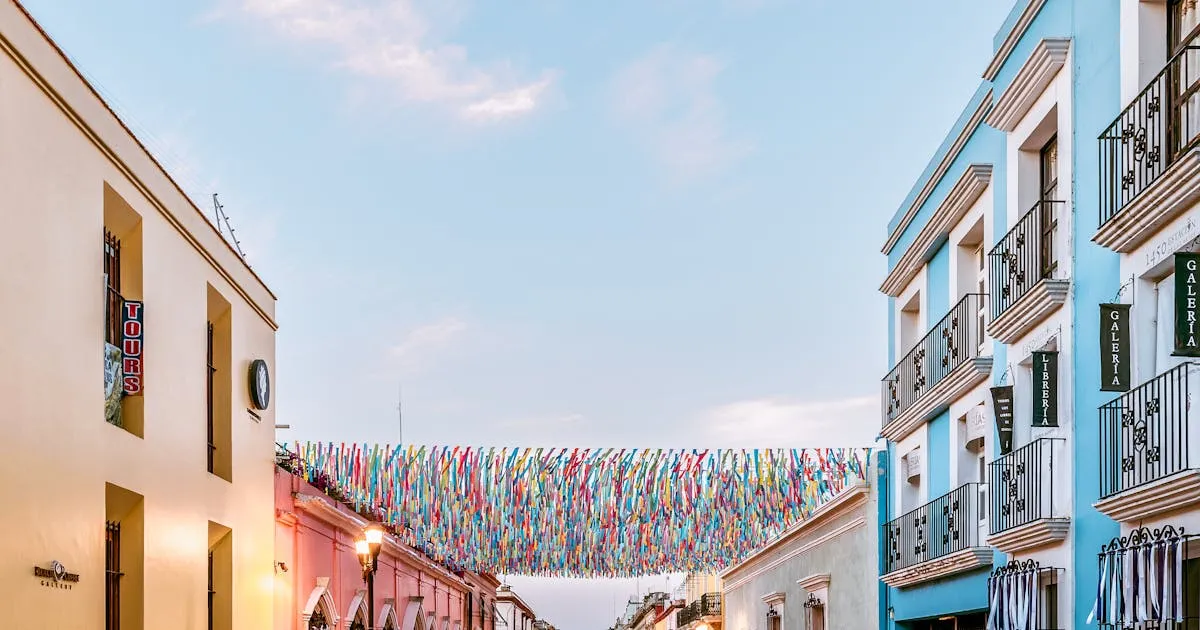
Oaxaca City has quietly become one of the most appealing destinations for digital nomads in Mexico. If you are still deciding whether Oaxaca is right for you, our complete travel guide offers a broad overview of the city. While Mexico City, Playa del Carmen, and Tulum dominate remote work forums, Oaxaca offers something they cannot — authentic culture, world-class food at low prices, a walkable historic center, and growing remote work infrastructure without feeling overly commercialized.
The city sits at 1,550 meters (5,085 feet) elevation with a mild, spring-like climate. Temperatures hover between 20 and 28 degrees Celsius (68 to 82 degrees Fahrenheit) during the dry season. The rainy season (June through October) brings afternoon showers that keep the hills lush and green.
This guide covers everything about living and working remotely from Oaxaca — internet, coworking, neighborhoods, costs, visas, and daily life.
Internet and Connectivity
The single most important question for any digital nomad is whether the internet is reliable enough to work. In Oaxaca, the answer is a qualified yes — with some caveats.
Internet Speeds
Fiber optic internet has expanded significantly across Oaxaca City in recent years. In the historic center and surrounding neighborhoods, speeds of 50 to 100 Mbps are common in well-equipped accommodations and coworking spaces. Some newer buildings and coworking spaces offer speeds up to 200 Mbps.
However, reliability can be an issue. Power outages, while not frequent, do occur, particularly during the rainy season when storms can knock out electricity for a few hours. Some coworking spaces and cafes have backup power and redundant internet connections (combining fiber and cellular data), but not all.
Mobile Data
Mexican SIM cards from Telcel, AT&T Mexico, or Movistar are inexpensive and easy to obtain. A monthly prepaid plan with 10 to 15 GB of data costs around 200 to 350 MXN (approximately 12 to 20 USD). 4G coverage is strong throughout the city center, and 5G is beginning to roll out in some areas. Having a local SIM as a backup internet connection is highly recommended for video calls or deadlines when your primary WiFi might drop.
You can purchase SIM cards at any OXXO convenience store, Telcel shop, or phone accessory kiosk. Bring your passport for registration.
Tips for Reliable Connectivity
Always test WiFi before committing to a longer stay. Keep your phone’s mobile data active as a failover for important calls, and schedule critical video calls for mornings when internet traffic is lower.
Coworking Spaces
Oaxaca’s coworking scene has matured considerably, and there are now several well-equipped spaces catering to remote workers.
Convivio Coworking
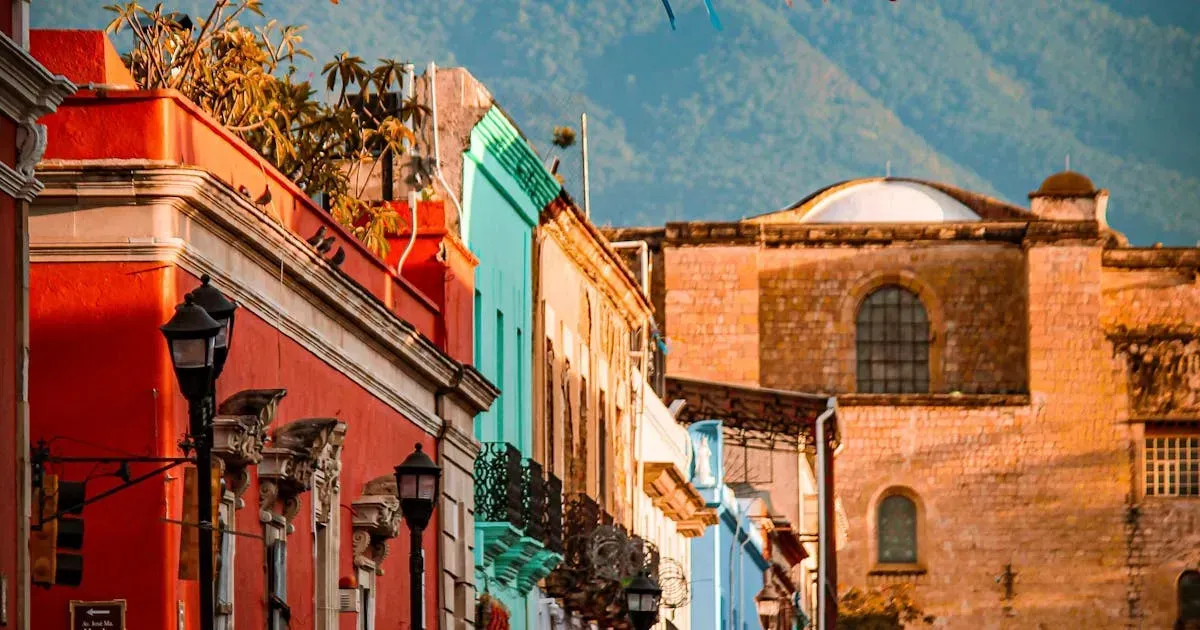
Located in the Jalatlaco neighborhood, just a short walk from the historic center, Convivio is one of Oaxaca’s most popular coworking spaces. The space occupies a renovated colonial building with high ceilings, a courtyard, and plenty of natural light. It offers dedicated desks, private offices, meeting rooms, and a communal kitchen.
Internet speeds are reliable at 100 Mbps or higher, and the space has backup power. The community here is a mix of local entrepreneurs, international remote workers, and freelancers, making it a good place to network and meet people.
Pricing: Day passes run around 250 to 300 MXN (approximately 15 to 18 USD). Weekly passes are approximately 900 to 1,200 MXN (approximately 55 to 70 USD), and monthly memberships range from 2,500 to 4,000 MXN (approximately 145 to 235 USD) depending on the plan.
Oaxaca Cowork
Situated in the historic center near Santo Domingo church, Oaxaca Cowork offers a more compact but well-designed space with strong air conditioning (a blessing during the warm months), fast WiFi, printing services, and a selection of meeting rooms for video calls.
This space tends to attract a slightly more professional crowd — consultants, startup founders, and remote employees of international companies. The staff is bilingual and helpful with local logistics like finding apartments or recommending services.
Pricing: Similar to Convivio, with day passes around 250 MXN (approximately 15 USD) and monthly plans from 2,800 to 3,500 MXN (approximately 165 to 205 USD).
Impact Hub Oaxaca
Part of the global Impact Hub network, this space focuses on social entrepreneurs and impact-driven work. It hosts regular events, workshops, and community gatherings that can be valuable for networking. The space is modern, well-equipped, and has a rooftop terrace for breaks.
Pricing: Day passes start at approximately 200 MXN (approximately 12 USD), with monthly memberships from 2,500 MXN (approximately 145 USD).
Selina Oaxaca
The global hospitality brand Selina operates a location in Oaxaca that combines accommodation with coworking space. If you are staying at Selina, coworking access is included or available at a discount. Non-guests can also purchase day passes.
The coworking area has fast WiFi, comfortable seating, and a social atmosphere, though it can get noisy during peak hours. It is a good option for travelers who want the convenience of working and sleeping under the same roof.
Pricing: Day passes for non-guests are approximately 200 to 300 MXN (approximately 12 to 18 USD).
WiFi Cafes for Working
Not every workday requires a coworking space. Oaxaca has an excellent cafe culture, and many coffee shops welcome remote workers with strong WiFi and a relaxed atmosphere.
Cafe Brujula
With multiple locations across the city, Cafe Brujula is the go-to chain for digital nomads in Oaxaca. It also tops our list of the best coffee shops in the city. Their flagship location near Santo Domingo is spacious, has reliable WiFi (around 30 to 50 Mbps), plenty of outlets, and serves excellent coffee sourced from Oaxacan highlands. Expect to spend 60 to 120 MXN (approximately 3.50 to 7 USD) per drink.
Boulenc
A bakery and cafe in the Jalatlaco neighborhood, Boulenc is known for its artisan bread, natural wine selection, and comfortable workspace. The WiFi is decent (around 20 to 40 Mbps), and the atmosphere is calm and conducive to focused work. It tends to fill up by mid-morning, so arrive early to grab a good seat.
Cafebre
Located on Garcia Vigil street, Cafebre roasts its own beans and serves some of the best espresso in the city. The space is smaller, but the WiFi is reliable, and the vibe is perfect for a few hours of concentrated work.
Cafe Etiquette
Most cafe owners welcome remote workers, but order something every hour or two during busy periods. Bring a fully charged laptop since outlets may be limited, and save bandwidth-heavy video calls for coworking spaces.
Best Neighborhoods for Digital Nomads
Where you choose to live in Oaxaca significantly affects your daily experience. Here are the neighborhoods most popular with remote workers.
Centro Historico (Historic Center)
The heart of the city, with colonial architecture, the main markets, museums, restaurants, and nightlife all within walking distance. Living here means you are never more than a few minutes from everything, but it can also be noisy, especially during festivals and weekend nights. Expect to hear fireworks, brass bands, and street celebrations regularly — this is part of Oaxaca’s charm, but it can be disruptive if you need quiet mornings for work.
Monthly rent for a furnished apartment or studio: 8,000 to 18,000 MXN (approximately 470 to 1,060 USD), depending on size, condition, and proximity to the main plazas.
Jalatlaco
A former village that has been absorbed into the city, Jalatlaco retains a neighborhood feel with cobblestone streets, colorful houses, independent cafes, and a strong sense of community. It borders the historic center and is walkable to most places you will need to go. This is arguably the most popular neighborhood among digital nomads and longer-term visitors.
Monthly rent: 7,000 to 15,000 MXN (approximately 410 to 880 USD).
Xochimilco
A quiet, residential neighborhood just north of the center, Xochimilco offers a more local experience with fewer tourists. It has its own small market, several good restaurants, and a calmer atmosphere for focused work. The trade-off is that it is a 15 to 20 minute walk to the main plazas and attractions.
Monthly rent: 6,000 to 12,000 MXN (approximately 350 to 705 USD).
Reforma
South of the center, Reforma is a middle-class neighborhood with wide streets, parks, and more modern infrastructure. It is popular with Mexican professionals and offers good value for money. Several gyms, supermarkets, and restaurants are within walking distance.
Monthly rent: 5,500 to 11,000 MXN (approximately 325 to 645 USD).
Cost of Living
One of Oaxaca’s biggest draws for digital nomads is its low cost of living. You can live well here on a budget that would barely cover rent in most American or European cities.
Monthly Budget Breakdown (Comfortable Lifestyle)
- Rent (furnished apartment): 8,000 to 15,000 MXN (470 to 880 USD)
- Coworking membership: 2,500 to 4,000 MXN (145 to 235 USD)
- Groceries: 3,000 to 5,000 MXN (175 to 295 USD)
- Eating out (mix of market food and restaurants): 3,000 to 6,000 MXN (175 to 350 USD)
- Transportation (walking, buses, occasional taxis): 500 to 1,500 MXN (30 to 90 USD)
- Mobile phone plan: 200 to 350 MXN (12 to 20 USD)
- Entertainment and activities: 1,000 to 3,000 MXN (60 to 175 USD)
- Health insurance (international nomad policy): varies, typically 100 to 200 USD per month
Total estimated monthly cost: 18,200 to 34,850 MXN (approximately 1,070 to 2,050 USD)
For context, a comida corrida (set lunch menu) at a local restaurant costs 60 to 90 MXN (approximately 3.50 to 5.30 USD) and includes soup, a main course, a drink, and sometimes dessert. A craft beer at a bar runs 60 to 100 MXN (approximately 3.50 to 6 USD). A mezcal tasting at a mezcaleria costs 100 to 250 MXN (approximately 6 to 15 USD) for a flight of three to four pours.
Visa and Legal Considerations
Tourist Visa (FMM)
Most visitors from the United States, Canada, the European Union, the United Kingdom, Australia, and many other countries can enter Mexico without a pre-arranged visa. At the border or airport, you will receive a Forma Migratoria Multiple (FMM) that permits you to stay for up to 180 days. This is sufficient for most digital nomads.
Technically, working remotely for a foreign employer while on a tourist visa occupies a legal gray area in Mexico. You are not working for a Mexican company, not earning Mexican income, and not displacing local workers, so in practice, this arrangement is widely tolerated. However, it is not explicitly authorized, and the rules could change.
Temporary Resident Visa
If you plan to stay longer than 180 days or want a more formal legal status, you can apply for a Temporary Resident Visa (Residente Temporal), which is valid for one to four years. This visa requires proof of income or savings and must be applied for at a Mexican consulate in your home country before traveling. The income threshold is typically around 32,000 MXN (approximately 1,880 USD) per month in proven income over the previous six months.
Tax Considerations
If you are a US citizen, you are still required to file US taxes on your worldwide income regardless of where you live. Some digital nomads also need to consider Mexican tax obligations if they establish tax residency (generally defined as spending more than 183 days in Mexico during a calendar year). Consult a tax professional who specializes in expatriate or international tax issues.
Community and Social Life
One of the concerns about working remotely from a new city is loneliness. Oaxaca largely solves this problem through its vibrant social scene and welcoming community.
Meeting Other Digital Nomads
The coworking spaces mentioned above are the easiest way to meet fellow remote workers. Convivio and Impact Hub both host regular community events, happy hours, and skill-sharing sessions.
Facebook groups and WhatsApp communities for digital nomads in Oaxaca are active and helpful. Search for groups like “Digital Nomads Oaxaca” or “Expats in Oaxaca” for advice, meetup announcements, and apartment listings.
Meeting Locals
Oaxacans are famously warm and welcoming, but building genuine friendships takes effort and time. Taking Spanish classes is one of the best ways to meet locals and deepen your experience of the city. Several language schools in the historic center offer intensive courses starting at around 2,500 MXN (approximately 145 USD) per week for group classes.
Volunteering with local organizations, joining a sports league (there are recreational soccer and basketball groups), or taking art or cooking classes are other effective ways to connect with the local community.
Language
Spanish is the primary language. You can get by with English in coworking spaces and tourist-oriented restaurants, but learning basic Spanish dramatically improves your daily life. Most people you encounter outside tourist areas speak little English. Many nomads report that improving their Spanish is one of the most rewarding aspects of living here.
Practical Daily Life
Healthcare
Private clinics offer good-quality care at a fraction of US prices: doctor’s visits cost 400 to 700 MXN (approximately 23 to 41 USD), dental cleanings 500 to 800 MXN (approximately 30 to 47 USD). Many medications are available over the counter. Carry international health insurance — companies like SafetyWing and World Nomads offer nomad-specific policies for 40 to 80 USD per month.
Daily Essentials
- Fitness: Gym memberships cost 600 to 1,200 MXN (approximately 35 to 70 USD) per month. Yoga drop-ins run 100 to 200 MXN (approximately 6 to 12 USD).
- Laundry: Lavanderias wash, dry, and fold by the kilogram for 15 to 25 MXN (approximately 1 to 1.50 USD per kg), same-day or next-day.
- Groceries: Fresh produce at the Mercado de Abastos at very low prices. Supermarkets like Chedraui and Soriana for packaged goods.
- Safety: The city is generally safe. Standard urban precautions apply — use DiDi for late-night rides and keep valuables secure in crowded markets.
When to Come and How Long to Stay
Best Months for Digital Nomads
The dry season from November through April offers the most pleasant weather and the liveliest cultural calendar, including Day of the Dead (late October/early November), the Night of the Radishes (December 23), and Semana Santa (March or April). However, this is also when the city is busiest and accommodation prices are highest.
The shoulder months of May, June, October, and November offer a good balance — fewer tourists, lower prices, and still-enjoyable weather. The rainy season (July through September) is the quietest period, with the best deals on accommodation and a lush, green landscape, though afternoon downpours can be heavy.
Ideal Duration
While you can get a taste of Oaxaca in a week or two, most digital nomads find that one to three months is the sweet spot. This gives you enough time to settle into a routine, find your favorite cafes and restaurants, take a weekend trip to the coast or the mountains, and build meaningful connections with both the local and expat communities.
Many nomads who come for a month end up extending, and a surprising number eventually make Oaxaca their semi-permanent base. There is a reason for the local saying: “You come to Oaxaca for a week and stay for a year.”
Getting Here and Getting Around
Getting Here and Around
Oaxaca’s Xoxocotlan International Airport (OAX) receives direct flights from Mexico City (about 1 hour), Tijuana, and Monterrey. From the US, connect through Mexico City. You can also take a first-class ADO bus from Mexico City (approximately 6 hours, 700 to 1,000 MXN or 40 to 60 USD).
The city is highly walkable. For longer distances, urban buses cost 8 MXN (under 0.50 USD), taxis run 40 to 80 MXN (approximately 2.50 to 5 USD), and monthly bicycle rentals cost 1,000 to 2,000 MXN (approximately 60 to 115 USD).
Oaxaca rewards those who slow down. As a digital nomad, you experience it not as a tourist but as a temporary resident discovering its rhythms day by day. For inspiration on what to do on your days off, check our best day trips from Oaxaca or explore the city’s incredible street food scene. Few places offer such rich quality of life at such an accessible price.