
What to Buy in Oaxaca: Best Souvenirs Guide
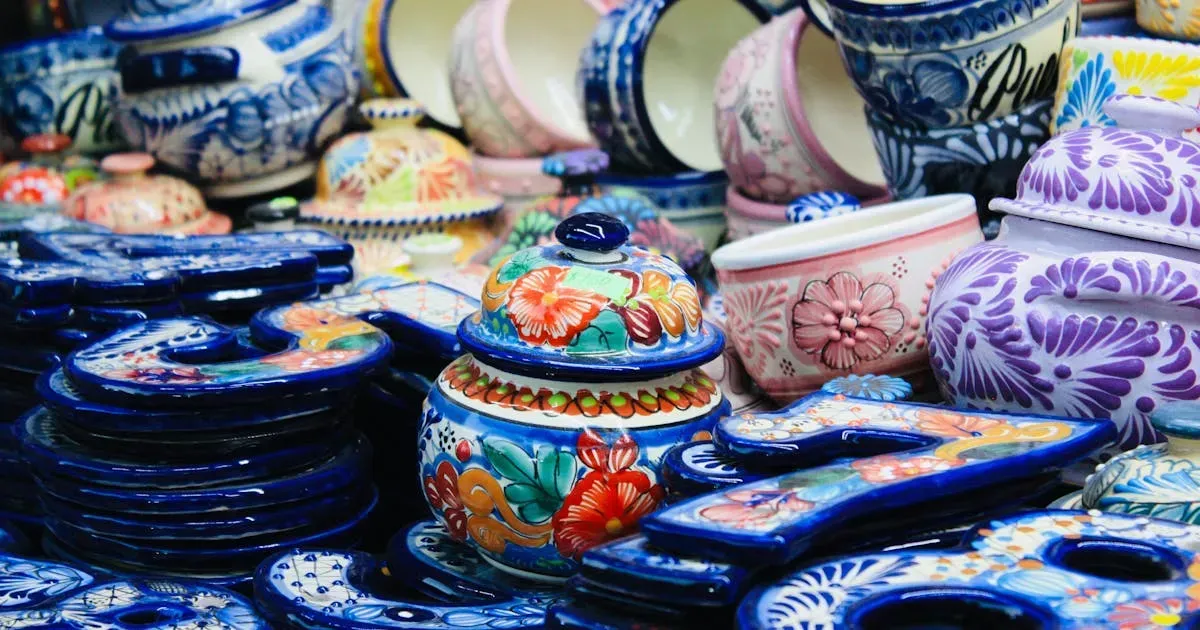
Oaxaca is one of those rare destinations where shopping is an integral part of the cultural experience. The state has the richest artisanal tradition in Mexico, with dozens of craft forms practiced by indigenous communities for centuries. From lustrous black pottery to fantastical painted creatures, hand-loomed textiles to mezcal that took 15 years to produce, what you buy here carries genuine cultural weight.
This guide covers the best things to buy, where to find them, fair prices, and how to get purchases home.
Barro Negro (Black Pottery)
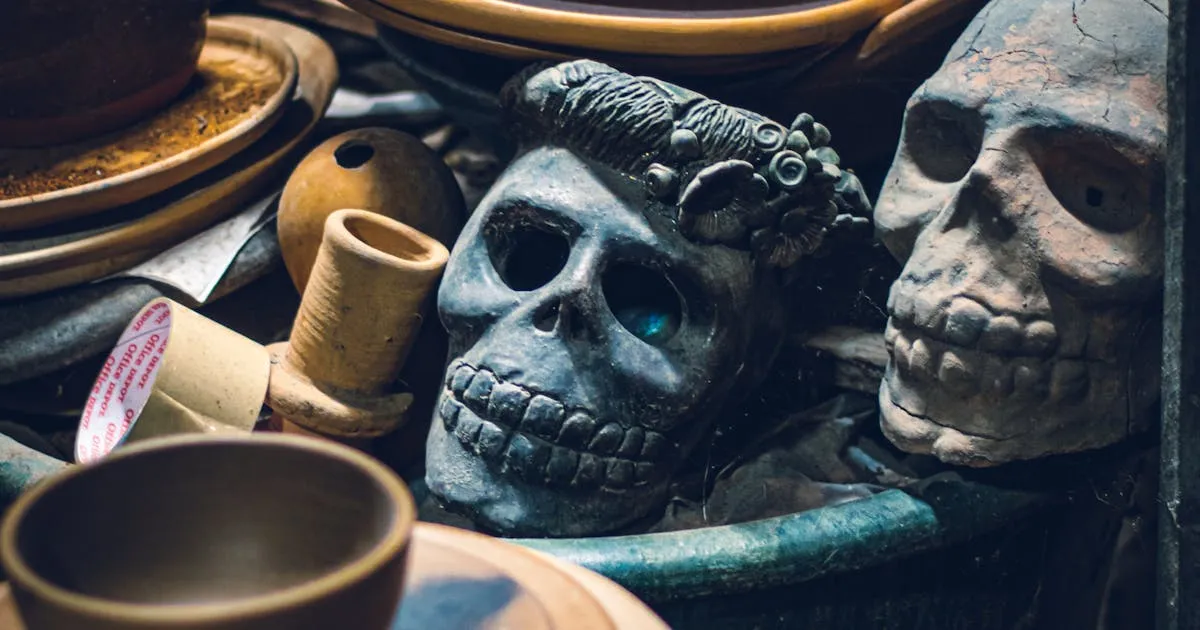
Barro negro is Oaxaca’s most distinctive craft, produced in San Bartolo Coyotepec, about 12 kilometers (7.5 miles) south of the city. Each piece is shaped by hand, polished with quartz stone, and fired in sealed kilns where restricted oxygen turns the clay jet black.
What to Look For
Quality varies enormously. Tap a piece gently — high-quality barro negro produces a clear, bell-like ring. Check for deep, uniform sheen without rough patches, and look for a maker’s mark on the bottom.
What to Buy
- Mezcal cups (copitas): Small, elegant cups designed for sipping mezcal. Prices start at 50 to 100 MXN (approximately 3 to 6 USD) for simple ones and go up to 300 to 500 MXN (approximately 18 to 30 USD) for finely crafted sets.
- Decorative vases and vessels: From 200 MXN (approximately 12 USD) for small pieces to 5,000 MXN (approximately 295 USD) or more for large, intricately carved works.
- Candle holders: Perforated designs that cast beautiful shadow patterns. From 150 to 1,000 MXN (approximately 9 to 60 USD).
- Figurines and sculptures: Animals, skulls, and human figures. From 100 MXN (approximately 6 USD) for small pieces.
Where to Buy
- San Bartolo Coyotepec: Visit the workshops directly. The Dona Rosa workshop and museum is the most famous. Buying from the artisan ensures they receive the full price.
- Mercado de Artesanias (Oaxaca City): A dedicated craft market near the city center with multiple barro negro vendors.
- Galleries on Alcala and Garcia Vigil streets: Higher-end pieces curated by gallery owners. Prices are marked up but quality is vetted.
Alebrijes (Painted Wooden Creatures)
Alebrijes are fantastical, brightly painted wooden creatures carved from copal wood and painted with intricate patterns. Each piece is unique — a dragon with butterfly wings, a jaguar in geometric designs, a coyote with floral motifs.
What to Look For
Examine both carving (smooth, clean lines) and painting (detailed, precise patterns). The best pieces take weeks or months to complete. Avoid cheap versions made from pine, which can crack over time. Look for copal wood, which is lighter and more durable.
Price Range
Alebrijes span an enormous price range:
- Small, simple figures (5 to 10 centimeters or 2 to 4 inches): 50 to 200 MXN (approximately 3 to 12 USD)
- Medium, well-painted pieces (15 to 25 centimeters or 6 to 10 inches): 500 to 2,000 MXN (approximately 30 to 115 USD)
- Large, highly detailed works by master artisans: 3,000 to 50,000 MXN (approximately 175 to 2,940 USD) or more
Where to Buy
- San Martin Tilcajete and San Antonio Arrazola: The two main alebrije-producing villages, both south of Oaxaca City. Visiting family workshops lets you see the process and buy directly from artists.
- Craft markets in Oaxaca City: The Mercado de Artesanias and the Saturday artisan market on the grounds of Santo Domingo church both have good selections.
- Galleries: High-end galleries on Macedonio Alcala street carry museum-quality pieces with authenticated provenance.
Textiles
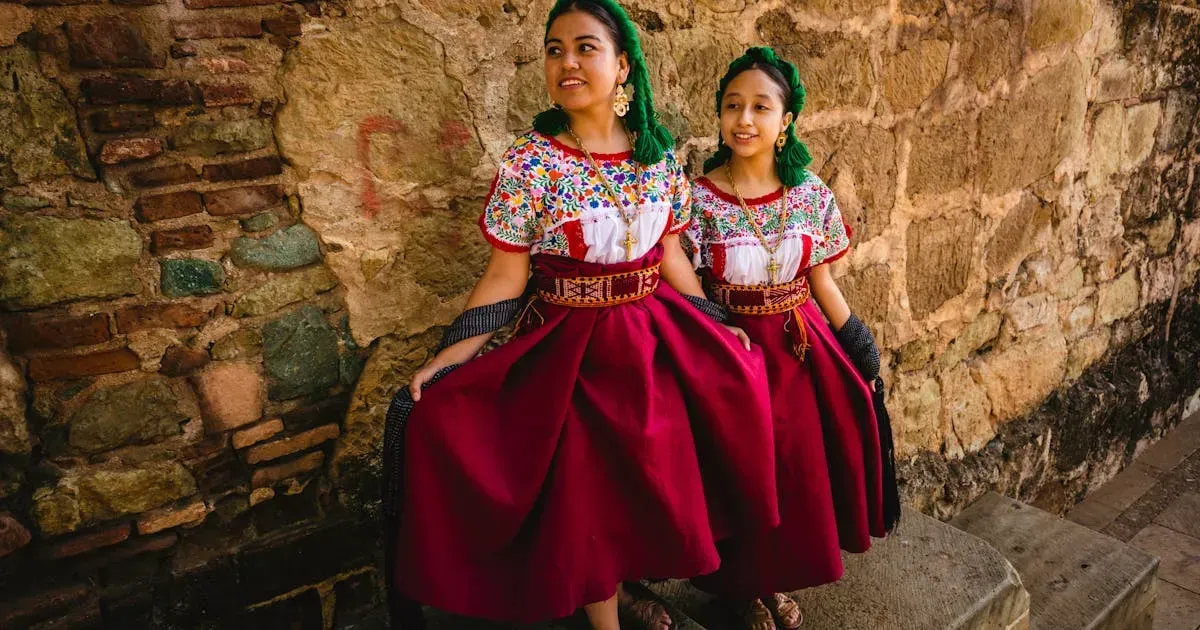
Oaxaca’s textile tradition is one of the most sophisticated in the Americas, encompassing multiple weaving techniques, natural dye processes, and regional styles that vary from village to village.
Types of Textiles
- Handwoven wool rugs and tapestries from Teotitlan del Valle are the most famous. These are made on pedal looms using techniques introduced by the Spanish that were adapted to incorporate indigenous Zapotec designs. Natural dyes from cochineal (reds and pinks), indigo (blues), pomegranate (yellows), and other sources produce rich, lasting colors.
- Cotton rebozos (shawls) are traditional garments used by women across Oaxaca. Handwoven rebozos from the Mixteca region are prized for their fine thread count and elaborate fringe work.
- Embroidered blouses and dresses from communities like San Antonino Castillo Velasco feature intricate floral designs stitched by hand, often taking weeks to complete.
- Backstrap-loomed textiles from various indigenous communities use a technique that predates the Spanish conquest. The weaver controls the tension using their body, producing fabrics with a distinctive quality that cannot be replicated on a pedal loom.
What to Look For
The key distinction is between handmade and machine-made, and between natural and synthetic dyes. Handwoven textiles have slight irregularities that give them character. Natural dyes produce softer, more nuanced colors that age beautifully rather than fading harshly. Ask the vendor about their dye process — genuine artisans are proud to explain it.
Price Range
- Small placemats or coasters: 80 to 250 MXN (approximately 5 to 15 USD)
- Table runners: 500 to 2,000 MXN (approximately 30 to 115 USD)
- Rugs (small, 60 x 90 centimeters or 2 x 3 feet): 1,500 to 4,000 MXN (approximately 90 to 235 USD)
- Rugs (large, 120 x 180 centimeters or 4 x 6 feet): 5,000 to 20,000 MXN (approximately 295 to 1,175 USD)
- Hand-embroidered blouses: 800 to 5,000 MXN (approximately 47 to 295 USD) depending on complexity
- Rebozos: 500 to 8,000 MXN (approximately 30 to 470 USD) depending on material and technique
Where to Buy
- Teotitlan del Valle: Go directly to the source. Family workshops welcome visitors and demonstrate the process.
- Mercado de Artesanias: Good variety of textiles from multiple regions.
- MARO (Mujeres Artesanas de las Regiones de Oaxaca): A cooperative on 5 de Mayo street selling crafts made by women artisans with fair trade practices.
- Instituto Oaxaqueno de las Artesanias: A state-run store on Garcia Vigil with authenticated artisan goods at fixed prices.
Mezcal
Oaxaca produces roughly 90 percent of Mexico’s mezcal. Buying here gives you access to varieties and prices unavailable elsewhere, often from small family palenques that do not distribute outside the region.
What to Look For
- Espadin: The most common and affordable variety, made from the Agave angustifolia plant. It is a good everyday mezcal with a balanced smoky flavor. Bottles start at around 200 to 400 MXN (approximately 12 to 23 USD).
- Wild and semi-wild varieties: Tobala, madrecuishe, arroqueno, cuishe, and others. These agaves grow wild or semi-wild in the mountains and take 12 to 25 years to mature, making them rarer and more expensive. Bottles range from 600 to 3,000 MXN (approximately 35 to 175 USD) or more.
- Ancestral mezcal: Produced using the oldest methods — clay pot distillation and fermentation in animal hides or hollowed-out tree trunks. These are the rarest and most expensive, but they offer a window into the deep history of the spirit.
Where to Buy
- Directly from palenques: Visit a distillery on the mezcal route (see our day trips guide). Prices are lowest here, and you can taste before you buy.
- Mezcalerias in the city: Shops like In Situ, Los Amantes, and Mezcaloteca offer curated selections with knowledgeable staff who can guide your purchase.
- Mercado de Abastos: The city’s central market has vendors selling mezcal, often at very low prices. Quality varies widely, so taste before buying and look for proper labeling.
- Avoid unlabeled mezcal in plastic containers, which may be of poor quality or adulterated.
Bringing Mezcal Home
You can typically bring two to three liters of alcohol into the United States duty-free (rules vary by state). Bottles must be in your checked luggage, not carry-on. Wrap bottles securely in clothing or use a wine shipping box (available at some shops in Oaxaca). If buying more, you may need to declare it and pay a small duty.
Chocolate and Cacao Products
Oaxaca’s chocolate tradition dates to the pre-Hispanic era. The city’s molineros (grinding shops) on Mina Street roast and grind cacao beans, blending them with sugar, cinnamon, and almonds into chocolate tablets for traditional hot chocolate.
What to Buy
- Chocolate de mesa (drinking chocolate): Tablets designed to be dissolved in hot water or milk, then frothed with a wooden molinillo. You can often customize your blend at molinero shops — choosing the proportion of cacao, sugar, cinnamon, and almonds. Prices start at around 50 to 80 MXN (approximately 3 to 5 USD) per kilogram.
- Artisan chocolate bars: Several small-batch chocolate makers in Oaxaca produce bean-to-bar chocolate with single-origin cacao. These range from 60 to 200 MXN (approximately 3.50 to 12 USD) per bar.
- Cacao nibs and raw cacao: For the chocolate purist, roasted cacao nibs and whole cacao beans are available at markets and specialty shops.
- Molinillo (wooden whisk): The traditional wooden tool used to froth hot chocolate. Handmade molinillos from the markets cost 50 to 200 MXN (approximately 3 to 12 USD) and make a wonderful, practical souvenir.
Where to Buy
- Mina Street (Calle de Mina): The traditional chocolate street, lined with molinero shops including Mayordomo, La Soledad, and Guelaguetza. You can watch the grinding process and sample different blends.
- Mercado Benito Juarez: Vendors sell chocolate, cacao, and molinillos.
- Specialty chocolate shops: Newer artisan brands like ChocoMuseo and Biche Pobre offer premium products and tasting experiences.
Mole Paste
Taking home a jar or bag of mole paste is one of the smartest purchases you can make in Oaxaca. Mole preparation from scratch is a day-long endeavor, but with a quality paste, you can prepare an authentic Oaxacan mole at home in under an hour.
What to Buy
- Mole negro: The most complex and prestigious of Oaxaca’s seven moles, with a deep, dark flavor built from charred chiles, chocolate, and dozens of other ingredients.
- Mole rojo: Rich and slightly sweet, made with ancho and guajillo chiles.
- Mole coloradito: Smoky and mildly spicy, excellent with chicken.
- Mole amarillo: A bright, tangy mole that goes well with pork and vegetables.
Where to Buy
- Mercado 20 de Noviembre and Mercado Benito Juarez: Market vendors sell mole paste by weight. Prices are approximately 80 to 150 MXN (approximately 5 to 9 USD) per kilogram, depending on the variety.
- Specialty shops and cooking schools: Some cooking schools sell their own mole paste, which tends to be of very high quality.
- Packaging note: Mole paste is generally allowed through US customs as a processed food product, but check current regulations before traveling. Vacuum-sealed packaging is ideal for transport.
Oaxacan Coffee
Oaxaca is one of Mexico’s top coffee-producing states, with beans grown in the mountain regions of Pluma Hidalgo, the Sierra Norte, and the Mixteca. For the best places to sample these brews, see our guide to the best coffee shops in Oaxaca City. Oaxacan coffee is known for its medium body, bright acidity, and notes of chocolate, nuts, and citrus — characteristics that reflect the high-altitude growing conditions and traditional processing methods.
What to Buy
- Whole bean coffee: Buy freshly roasted beans from specialty roasters or directly from cooperatives. A 340-gram (12-ounce) bag of specialty-grade Oaxacan coffee costs 120 to 250 MXN (approximately 7 to 15 USD).
- Cafe de olla blend: Pre-mixed ground coffee with cinnamon and piloncillo (raw cane sugar), designed for making traditional Mexican pot-brewed coffee. A charming and easy-to-prepare souvenir.
Where to Buy
- Cafe Brujula: Multiple locations in the city, selling their own roasted beans.
- Cafebre: Roasts their own beans on-site with a focus on single-origin lots.
- Mercado de Abastos: Vendors sell coffee by weight, including beans from specific growing regions.
Other Notable Purchases
- Dried chiles: The chilhuacle (negro, rojo, and amarillo) is essential for mole and nearly impossible to find outside Mexico. A 250-gram (about 9-ounce) bag costs 100 to 200 MXN (approximately 6 to 12 USD) at the Mercado Benito Juarez.
- Chapulines (grasshoppers): Toasted and seasoned, they make a lightweight souvenir. Small bags cost 30 to 60 MXN (approximately 2 to 3.50 USD).
- Huipiles: Traditional embroidered blouses that can take months to produce. Authentic pieces cost 2,000 to 15,000 MXN (approximately 115 to 880 USD).
- Tinplate art (hojalata): Brightly painted ornaments and mirrors, starting at 30 to 50 MXN (approximately 2 to 3 USD).
- Quesillo (string cheese): Perishable but delicious. Buy at any market if you have a short trip home.
Markets vs. Galleries: Where to Shop
- Mercado de Artesanias: The dedicated craft market with dozens of stalls. Prices are moderate, and bargaining is expected.
- Mercado Benito Juarez and 20 de Noviembre: Food-focused markets with craft sections and edible souvenirs.
- Saturday artisan market at Santo Domingo: Artisans sell directly on Saturdays, with generally high quality.
- Galleries on Alcala and Garcia Vigil streets: Higher-end, curated pieces with quality assurance and certificates of authenticity. Higher prices.
- Cooperative shops (MARO, Instituto Oaxaqueno de las Artesanias): Fixed, fair-trade prices that ensure artisans are paid fairly.
Bargaining Tips
Bargaining is normal at craft markets but should be done respectfully:
- Browse first to get a sense of going rates before buying.
- Offer 10 to 20 percent below the asking price. Aggressive lowballing is disrespectful.
- Do not bargain at food stalls, restaurants, or shops with fixed prices.
- Buying multiple items gives you stronger negotiating position for a discount.
- Walk away gracefully if you cannot agree. The vendor may call you back — or may not, and that is fine.
- Remember that artisans support their families through their craft. Fair prices sustain traditions that might otherwise disappear.
Shipping Your Purchases Home
If you buy more than you can carry, several options exist for shipping items from Oaxaca.
Carrying Items in Your Luggage
Most souvenirs — pottery, textiles, chocolate, mole paste, mezcal — can be packed in checked luggage. Wrap fragile items in clothing or bubble wrap (available at packaging stores in the city). Airlines typically allow 23 kilograms (50 pounds) per checked bag for international flights from Mexico.
Shipping Services
- Correos de Mexico (Mexican postal service): Affordable but slow (2 to 6 weeks to the US) and not always reliable for fragile items.
- DHL, FedEx, UPS: All have offices in Oaxaca City and offer reliable international shipping. Expect to pay 1,500 to 5,000 MXN (approximately 90 to 295 USD) for a medium-sized box to the United States, depending on weight and speed.
- Artisan and gallery shipping: Some galleries and established workshops offer their own shipping services, with experience packing and shipping fragile pottery and sculpture. Ask about this option when making a large purchase.
Customs Considerations
US travelers get an 800 USD duty-free exemption. Alcohol has separate allowances (typically 1 to 2 liters, varying by state). Processed items like chocolate, mole paste, dried chiles, and coffee are generally permitted. Always declare purchases honestly — penalties for non-declaration are far worse than any duty.
Shopping in Oaxaca is an act of cultural exchange. Every purchase connects you to a living tradition — families who have woven for seven generations, mezcaleros who wait 15 years for an agave to mature, potters shaping clay with techniques perfected over millennia. For more on planning your visit, see our Oaxaca travel guide and our guide to where to stay in Oaxaca.