
Traditional Clothing of Oaxaca: Visual Guide
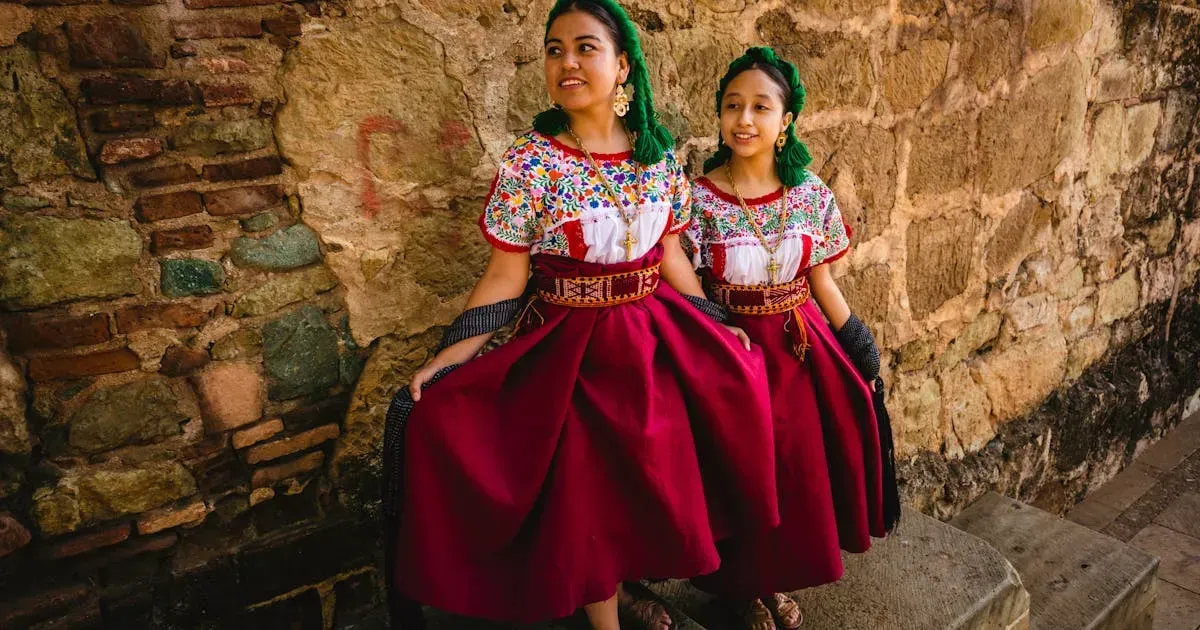
Oaxaca is home to 16 indigenous groups spread across eight distinct regions, and nowhere is that diversity more visible than in what people wear. Traditional clothing in Oaxaca is not costume or folklore reserved for festivals. It is a living language woven into daily life — a system of symbols that communicates identity, marital status, community, spiritual beliefs, and connection to the land.
Every huipil, rebozo, and enredo carries encoded meaning. The colors come from insects, plants, and minerals found in the surrounding landscape. The patterns reference creation stories, agricultural cycles, and cosmological maps passed down over centuries. When you see a woman wearing a huipil in a Oaxacan market, you are looking at a garment that may have taken three to eight months to weave by hand — a piece of art she wears as a statement of belonging.
This guide walks through the traditional dress of each of Oaxaca’s eight regions, explains the symbolism behind the most important garments, and tells you where to see and purchase authentic textiles during your visit.
Understanding Oaxaca’s Textile Tradition
Before exploring each region, it helps to understand the foundational garments that appear across Oaxacan dress.
The Huipil
The huipil is the most iconic garment in Oaxacan dress. It is a rectangular tunic made from one to three panels of cloth, sewn together and folded with an opening for the head. Huipiles range from simple daily-wear garments to extraordinarily elaborate ceremonial pieces covered in hand-embroidered or brocade-woven designs.
Each community produces huipiles with distinctive patterns, color palettes, and construction techniques. An experienced textile merchant can identify a woman’s village simply by looking at her huipil.
The Enredo
The enredo is a wrap-around skirt, typically made from a single piece of cloth wound around the waist and secured with a sash (faja). In many regions, the enredo is woven on a backstrap loom and dyed with natural pigments. The way the enredo is wrapped — the number of folds, the positioning of the sash — varies by community.
The Rebozo
The rebozo is a long rectangular shawl used throughout Mexico, but Oaxacan rebozos are distinguished by their weaving techniques and natural dyes. Women use rebozos to carry babies, shade themselves from the sun, carry market goods, and as a modesty covering in churches. The fringe work (rapacejo) at the ends of a fine rebozo can take weeks to complete by hand.
The Faja (Sash)
The faja is a woven belt that secures the enredo at the waist. In many communities, fajas feature some of the most intricate weaving of any garment — geometric patterns, animal figures, and floral motifs compressed into a narrow band. Fajas from Santo Tomás Jalieza are particularly celebrated for their backstrap-loom craftsmanship.
Region by Region: Traditional Dress Across Oaxaca
1. Valles Centrales (Central Valleys)
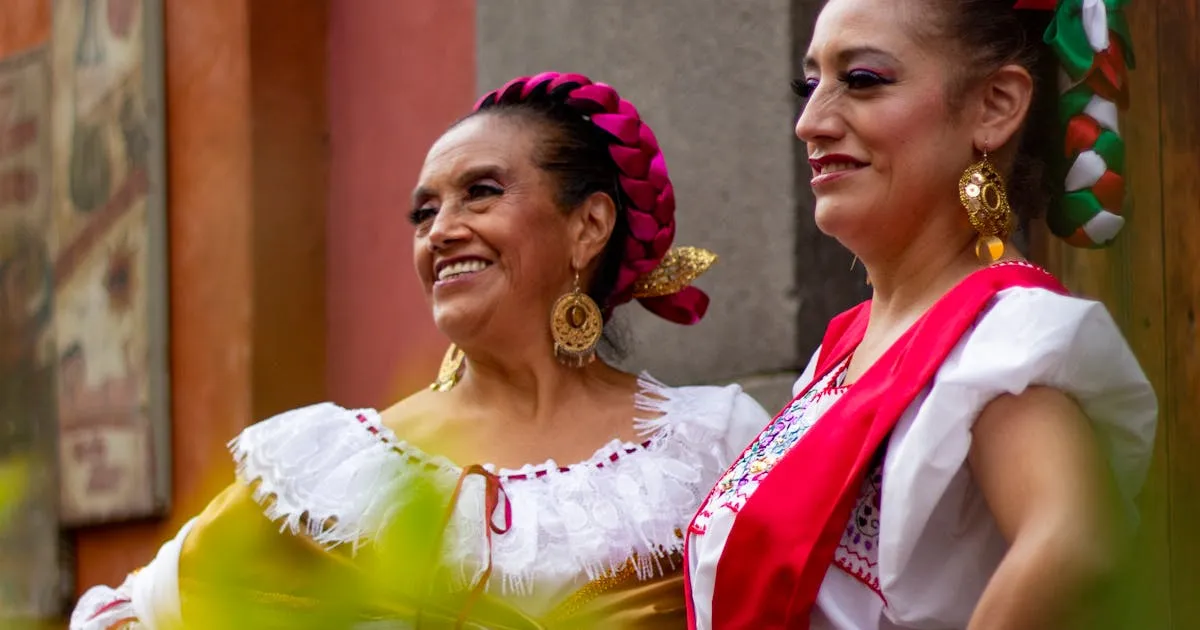
The Central Valleys — home to Oaxaca City, Monte Albán, and the artisan villages of Teotitlán del Valle, Santo Tomás Jalieza, and San Antonino Castillo Velasco — are the heart of Oaxacan textile production.
Women in San Antonino Castillo Velasco are known for their blouses embroidered with delicate floral designs in white thread on white fabric, a technique called “deshilado” that creates a lace-like effect. These blouses have become popular across Mexico and are sometimes called the most elegant embroidery in Oaxaca.
In Teotitlán del Valle, the tradition centers on wool rugs and tapetes rather than clothing, but women still wear huipiles with geometric Zapotec motifs for festivals. The natural dyes used here — cochineal red, indigo blue, pomegranate yellow, and wild marigold — are the same ones that color the famous rugs.
Santo Tomás Jalieza produces some of the finest backstrap-loom textiles in Mexico. The cotton fajas (sashes) and bags woven here feature animal and plant designs in bright colors against a dark background.
2. Istmo de Tehuantepec (Isthmus of Tehuantepec)
The Isthmus is home to the most internationally recognizable traditional dress in Oaxaca: the Tehuana outfit. This is the dress that captivated Frida Kahlo, who adopted Tehuana clothing as her signature style beginning in the 1920s after marrying Diego Rivera.
The classic Tehuana ensemble consists of:
- Huipil grande (also called bidaani huiini): an elaborate lace headdress worn over the head and shoulders for formal occasions, originally a christening gown repurposed as a headpiece
- Huipil de cadenilla: a velvet or satin blouse richly embroidered with large floral motifs using chain-stitch embroidery, often in gold thread
- Enagua (skirt): a long, full skirt in matching velvet or satin with a wide embroidered or lace-trimmed hem
- Gold jewelry: Tehuana women traditionally wear gold coins, filigree necklaces, and elaborate earrings that represent family wealth and social standing
The bold floral designs — oversized roses, dahlias, and tropical flowers — reflect the lush vegetation of the tropical lowlands. Colors are vivid: deep reds, purples, emerald greens, and electric blues against black or dark velvet backgrounds.
A complete Tehuana outfit for a festival or wedding can cost anywhere from 15,000 to 80,000 MXN ($810 to $4,320 USD), depending on the quality of embroidery and materials.
3. Sierra Norte
The Zapotec communities of the Sierra Norte produce some of the most geometrically complex textiles in Oaxaca. The huipiles from Yalalag are particularly distinctive — white cotton garments covered in densely packed geometric embroidery in red and black thread, creating patterns that represent mountains, rivers, cornfields, and celestial bodies.
Women in Yalalag also wear an elaborate headdress made from a long strip of black wool wound around the head, sometimes integrated with colored ribbons. The overall effect is striking and immediately identifiable.
In the cloud forest communities of the Pueblos Mancomunados, daily dress is simpler — cotton huipiles with modest embroidery — but ceremonial garments for festivals and weddings display extraordinary detail.
4. Sierra Sur
The Sierra Sur is home to Chatino and Mixtec communities whose textile traditions emphasize backstrap-loom weaving with cotton and, historically, wild silk (the only region in Mexico where wild silk was traditionally harvested from native moth species).
Huipiles from Pinotepa de Don Luis and surrounding Mixtec villages feature the distinctive “caracol” purple dye — a rare, expensive pigment obtained from the Purpura pansa sea snail on the Pacific coast. This dye has been harvested sustainably by Mixtec communities for centuries. A single skirt dyed with caracol purple can take months to produce and may cost 5,000 to 15,000 MXN ($270 to $810 USD).
5. Costa (Coast)
The Pacific coast region, including the areas around Puerto Escondido and Huatulco, is predominantly Mixtec and Chatino territory. The traditional dress here reflects the hot, humid climate — lighter fabrics, shorter huipiles, and wrap skirts.
The most notable textile tradition is the pozahuanco, a wrap skirt made from cotton dyed with caracol purple and cochineal red, creating distinctive horizontal stripes. These skirts are woven on backstrap looms and are among the most valuable textiles in Oaxaca due to the rarity and labor-intensity of the natural dyes.
In Pinotepa Nacional, women historically wore the pozahuanco as their primary garment, often without a top covering. This practice has become less common, but the pozahuanco itself remains a powerful symbol of Mixtec identity.
6. Mixteca
The Mixteca region, in the northwest of the state, has a strong tradition of palm weaving and cotton textiles. Mixtec huipiles tend to feature geometric designs in earthy tones — browns, tans, reds from cochineal, and blues from indigo.
The huipiles from Huazolotitlán and Jamiltepec are characterized by wide horizontal bands of intricate brocade weaving that depict mythological scenes, two-headed eagles, and interlocking diamond patterns. These garments require months of work on a backstrap loom.
7. Cañada
The Cañada region, a narrow valley in the northeast of the state, is home to Mazatec and Cuicatec communities. Mazatec huipiles from Huautla de Jiménez are among the most colorful in Oaxaca — brilliant combinations of magenta, orange, green, and purple embroidery on white cotton, featuring stylized birds, flowers, and geometric borders.
The Mazatec huipil gained international attention when María Sabina, the legendary Mazatec curandera (healer), was photographed wearing traditional dress during her mushroom healing ceremonies in the 1950s and 1960s. Today, the Huautla huipil remains one of the most sought-after garments for collectors and travelers.
Prices for an authentic hand-embroidered Mazatec huipil range from 2,000 to 8,000 MXN ($108 to $432 USD), depending on the complexity of the design and the time invested.
8. Papaloapan
The Papaloapan region in the north, bordering Veracruz, is home to Chinantec and Mazatec communities. Chinantec huipiles are noted for their intricate telar de cintura (backstrap loom) work and the use of natural cotton in its undyed brown form (known as coyuchi cotton), combined with white cotton to create two-toned geometric patterns.
In Ojitlán and Valle Nacional, women wear ankle-length huipiles with wide horizontal bands of densely woven geometric designs. These garments are considered some of the most technically complex textiles produced on a backstrap loom anywhere in the Americas.
The Meaning of Colors and Patterns
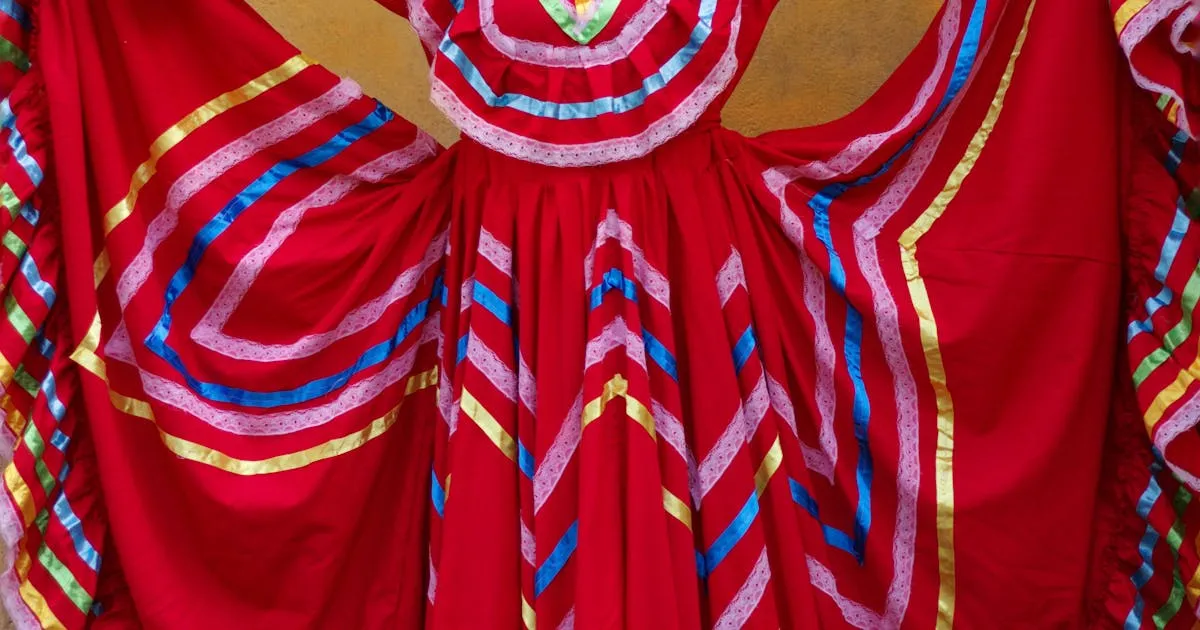
Colors
Traditional Oaxacan dyes are derived from natural sources, and each color carries symbolic weight:
- Red (cochineal / grana cochinilla): Life, blood, vitality, the sun. Cochineal is produced from tiny insects that live on nopal cacti. Oaxaca was the world’s largest exporter of cochineal during the colonial period — it was more valuable than gold.
- Blue (indigo / añil): Sky, water, the spiritual realm. Indigo is extracted from the leaves of the Indigofera plant.
- Purple (caracol / Purpura pansa): Royalty, the sea, transformation. This dye is milked from live sea snails on the Pacific coast — the snails are returned unharmed.
- Yellow (wild marigold / pericón, pomegranate): The sun, maize, fertility. Wild marigold is harvested during the rainy season.
- Brown (tree bark, walnut husks): Earth, stability, the physical world.
- Black (huizache bark, mud): Night, the underworld, mystery.
Patterns
Common motifs across Oaxacan textiles include:
- Diamonds and zigzags: Mountains and valleys, the physical landscape
- Spirals: Water, wind, the cyclical nature of time
- Birds (especially eagles and quetzals): The sky realm, power, vision
- Flowers: Fertility, abundance, celebration
- Corn/maize motifs: Sustenance, the creation story of humans made from corn
- Two-headed eagles: A colonial-era adaptation of the Habsburg eagle, now fully absorbed into indigenous design vocabulary
The Frida Kahlo Connection
Frida Kahlo’s adoption of Tehuana dress beginning around 1929 transformed it from regional clothing into a global symbol of Mexican identity and female power. Kahlo chose the Tehuana outfit for deeply personal and political reasons.
The Isthmus of Tehuantepec is famous for its matriarchal social structure — women historically controlled markets, finances, and community decision-making. By wearing Tehuana clothing, Kahlo aligned herself with indigenous women’s power and rejected European fashion conventions.
Kahlo’s specific choices — the elaborate huipil grande headdress, the heavy gold jewelry, the floor-length embroidered skirts that also concealed her injured right leg — became inseparable from her artistic identity. Today, the “Frida look” has created global demand for Tehuana-style embroidery, which has both supported artisan livelihoods and raised concerns about cultural appropriation and mass-produced imitations.
When purchasing Tehuana-style garments in Oaxaca, verify that the embroidery is handmade. Machine-embroidered copies from other states are common in tourist markets. Authentic hand-embroidered pieces will have slight irregularities on the back of the fabric — this is the mark of human hands rather than a machine.
Where to See Traditional Clothing in Oaxaca
Festivals and Celebrations
The best way to see traditional dress in full ceremonial splendor is during Oaxaca’s major festivals:
- Guelaguetza (late July): Dancers from all eight regions perform in their finest traditional dress. This is the single best event for seeing the complete diversity of Oaxacan clothing in one place. Tickets for the main performances at the Auditorio Guelaguetza range from free (Sección C) to 400-900 MXN ($22-49 USD) for reserved sections.
- Day of the Dead (late October - early November): Families dress in traditional clothing for cemetery vigils and parades.
- Velas in the Isthmus (May - September): Community festivals in Juchitán and Tehuantepec where Tehuana women parade in their most elaborate outfits, including gold jewelry that can be worth thousands of dollars.
- Village patron saint festivals (year-round): Almost every community has an annual fiesta where traditional dress is worn.
Museums
- Museo Textil de Oaxaca (Hidalgo 917, Centro): Free admission. Rotating exhibitions of historical and contemporary textiles. It is one of the best museums in Oaxaca. The permanent collection includes rare examples of colonial-era textiles and pieces demonstrating natural dyeing techniques. Open Monday to Saturday, 10:00 AM to 8:00 PM.
- Museo de las Culturas de Oaxaca (inside Santo Domingo): Displays of regional dress from each of Oaxaca’s indigenous groups. Admission: 90 MXN ($5 USD).
- Centro Cultural San Pablo (Hidalgo 907): Hosts textile exhibitions and workshops.
Markets and Daily Life
In the Central Market (Mercado de Abastos), particularly on Saturdays, you can see women from surrounding villages wearing their regional huipiles while selling produce and goods. The Isthmus section of the market is especially colorful.
In the Isthmus towns of Juchitán and Tehuantepec (about 5 hours from Oaxaca City by car or 1 hour by small plane), Tehuana dress is everyday wear — not just for tourists. The Juchitán market is one of the last places in Mexico where you can see an entire marketplace of women in full traditional dress going about ordinary business.
Where to Buy Authentic Traditional Clothing
In Oaxaca City
- Museo Textil de Oaxaca shop: Curated selection of high-quality textiles at fair prices
- ARIPO (Artesanías e Industrias Populares de Oaxaca): Government-run artisan store on García Vigil. Fixed prices, guaranteed authenticity. Huipiles from 800 to 15,000 MXN ($43 to $810 USD)
- Mercado de Artesanías (J.P. García and Zaragoza): Multiple vendors selling textiles from across the state. Prices are negotiable — expect to pay 500 to 5,000 MXN ($27 to $270 USD) for a handmade huipil
- Independent galleries on Macedonio Alcalá: Higher-end shops sell museum-quality textiles as art pieces. Prices range from 3,000 to 50,000+ MXN ($162 to $2,700+ USD)
In the Villages
Buying directly from artisans supports communities and often provides better prices:
- Santo Tomás Jalieza (25 km / 16 miles south of Oaxaca City): Backstrap-loom textiles. Fajas from 150 to 800 MXN ($8 to $43 USD)
- San Antonino Castillo Velasco (30 km / 19 miles south): Embroidered blouses from 600 to 3,000 MXN ($32 to $162 USD)
- Teotitlán del Valle (31 km / 19 miles east): Wool rugs, but also woven accessories and bags
- Huautla de Jiménez (175 km / 109 miles north): Mazatec huipiles directly from embroiderers
Buying Tips
- Ask about technique. Is the embroidery done by hand or machine? Was it woven on a backstrap loom or a pedal loom? Handmade items are more expensive but represent months of skilled labor.
- Check the back. Hand embroidery shows irregular stitching on the reverse side. Machine embroidery is uniform.
- Natural vs. synthetic dyes. Natural-dyed textiles tend to have subtler, more complex colors. Ask the vendor about dye sources — artisans who use natural dyes are proud to explain the process.
- Fair pricing. A huipil that took three months of daily work to embroider should not cost the same as a factory-made souvenir. If a price seems impossibly low, the piece is likely not handmade.
- Shipping. Most shops and galleries in Oaxaca City can arrange international shipping. Expect to pay 500 to 2,000 MXN ($27 to $108 USD) for shipping depending on size and destination.
How to Respectfully Engage with Textile Culture
Traditional clothing is a source of deep pride and identity for Oaxaca’s indigenous communities. Here are some guidelines for respectful engagement:
- Ask before photographing. In markets and villages, always ask permission before photographing someone in traditional dress. Many people are happy to oblige, but consent matters.
- Avoid bargaining aggressively. Textile artisans invest months of labor in their work. Negotiate respectfully, and remember that a “fair” price for a handmade huipil will seem high compared to factory-made alternatives — because it represents a fundamentally different kind of labor.
- Learn the context. Wearing a huipil as a tourist is generally welcomed, especially if purchased directly from artisans. However, wearing ceremonial pieces (like a huipil grande headdress) as a casual fashion statement can be insensitive. When in doubt, ask the vendor about the garment’s significance.
- Support authentic artisans. The biggest threat to Oaxaca’s textile traditions is cheap imitations produced in factories outside the state and sold to tourists as “authentic.” Your purchase decisions matter — every authentic textile you buy helps sustain a living tradition.
To learn more about the indigenous cultures behind these textiles, see our guide to the indigenous peoples of Oaxaca and the customs and traditions of Oaxaca. Oaxaca’s traditional clothing is one of the richest and most diverse textile heritages on the planet. Understanding its context, supporting its creators, and appreciating its artistry will transform a simple souvenir purchase into a meaningful cultural exchange — and give you a garment with a story that spans centuries.