
Oaxaca Black Pottery: Art, History & Technique
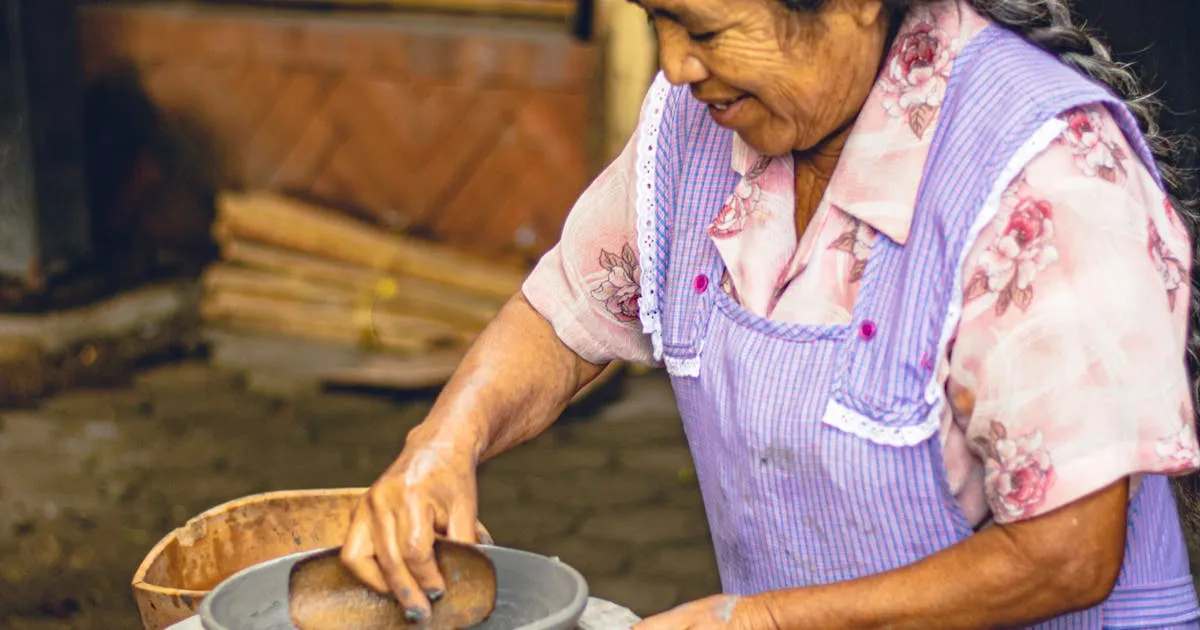
Oaxaca’s Black Pottery (Barro Negro) is one of Mexico’s most distinctive and recognizable crafts, with roots stretching back centuries to the Zapotec civilization. In this guide, we explore its origins in San Bartolo Coyotepec, the unique firing technique that gives it its glossy black finish, and how artisans continue to transform raw clay into magnificent art. For a deeper look at visiting the workshops, see our Black Pottery of San Bartolo Coyotepec guide.
The Origin of Oaxaca’s Black Pottery
The Black Pottery, globally recognized for its characteristic color and sheen, has its roots in the region of Oaxaca, in southern Mexico. Specifically, this art originates in San Bartolo Coyotepec, a small town that has gained fame thanks to this unique material. Historians and craft experts place the origin of this millennia-old technique before the arrival of the Spaniards. Over time, Black Pottery evolved in style and technique but retained its essence as a cultural representation of the region.
Originally, the clay was gray in color and was mainly used for the creation of utensils and everyday objects. It wasn’t until the 20th century that artisan Doña Rosa Real de Nieto discovered a method to give it the characteristic glossy finish, turning it not only into a practical object but also into a piece of art.
Indigenous Influence in Black Pottery Manufacturing
The manufacturing techniques of Black Pottery are a legacy of the indigenous Zapotec peoples of the region. These ancestral knowledge has been passed down through generations, and although some innovations have been introduced, traditional methods still prevail. Clay extraction and preparation, modeling, and detailing are examples of the meticulous manual work influenced by pre-Hispanic practices.
The indigenous community has been protective of these practices, ensuring they remain alive and their origin and cultural significance are respected. Some Black Pottery pieces reflect designs inspired by Zapotec mythology and symbols, thus honoring their heritage and enriching Oaxaca’s artistic identity.
Black Pottery Manufacturing Techniques
Clay Collection and Preparation
The creation of Black Pottery begins with the collection of black clay, found deep in the earth in selected regions of Oaxaca. This meticulous task is fundamental and requires detailed knowledge of the soil to know where and how to extract the clay without harming the natural environment. Once collected, the raw material is purified, removing impurities such as stones and roots, and mixed with water to achieve the desired consistency. Artisans knead the clay with their hands or feet, an essential traditional practice to obtain a homogeneous material without air bubbles.
Modeling and Shaping the Clay
Artisans shape this malleable clay using traditional modeling and shaping techniques. The most common technique is ‘coiling,’ which involves creating shapes by hand or with molds. The use of the potter’s wheel is also common, allowing for greater precision and symmetry in the pieces. The skill and creativity of the artisan come into play when creating everything from simple shapes to complex and detailed designs that characterize Black Pottery.
The Firing and Polishing Process
After air-drying the modeled pieces, the firing process begins. The pieces are placed inside traditional or underground kilns, where the temperature reaches a point that transforms the clay into ceramic. This process is carefully controlled as improper temperature could ruin the pieces. Firing in the absence of oxygen is what gives Black Pottery its distinctive color. Polishing, usually done before firing, is carried out with quartz stones and gives the glossy finish. It is this combination of firing and polishing technique that sets Oaxaca’s Black Pottery apart from other ceramics and elevates its aesthetic and cultural value.
Cultural Impact of Black Pottery
Cultural Importance of Black Pottery in Oaxaca
The production of Black Pottery is much more than just a craft; it is an activity that reflects the identity and traditions of the people of Oaxaca. For the community of San Bartolo Coyotepec and its surroundings, it represents a source of pride and economic sustenance. Additionally, it has become a symbol of resistance and conservation of cultural practices against modernization. By selecting a Black Pottery object, enthusiasts not only acquire a piece of decoration but also take with them a portion of Oaxaca’s rich cultural heritage.
Prominent Black Pottery Artists in History
Throughout history, several artists have elevated the status of Black Pottery with their art and dedication. Among them, Doña Rosa Real de Nieto is undoubtedly the most emblematic figure. Designer of the polishing technique that gives Black Pottery its glossy finish, her legacy has transcended generations. Many other artisans, although perhaps less known, have contributed to the flourishing and evolution of this tradition with their innovations and exceptional skills, allowing each piece to tell a story and manifest the Oaxacan identity.
Festivals and Cultural Events
Oaxaca celebrates the richness of its craftsmanship with various festivals and cultural events focused on Black Pottery. One of the most well-known events is the Black Pottery Fair, held annually in San Bartolo Coyotepec, where artisans exhibit and sell their best pieces. This type of festival fosters recognition of local artists and provides a window to the world for them to learn about and appreciate the art and tradition of Oaxaca’s Black Pottery, thereby strengthening its cultural impact.
Preservation and Future of Black Pottery
Challenges for Conservation
The art of Black Pottery faces various challenges in its conservation. One of the main challenges is globalization and competition with mass-produced goods, which threaten traditional artisanal techniques and the local economy. Additionally, the raw material, the special clay of Oaxaca, is found in limited areas, leading to the need for sustainable management of this natural resource. Transmitting knowledge to new generations is also vital, as young people’s interest in learning and continuing these practices has been decreasing.
Initiatives for Preservation
To address these challenges, various initiatives have been implemented to preserve the technique of Black Pottery. Governmental and non-governmental organizations work on promoting and supporting artisans, offering workshops and courses that encourage youth participation. Cultural and craft tourism programs are also promoted, generating a deeper appreciation from tourists and locals. Protecting the intellectual property of traditional designs is another key measure to safeguard the identity of Oaxaca’s Black Pottery.
The Future of Black Pottery
The future of Black Pottery looks promising thanks to innovative proposals seeking to renew this ancient tradition. Artists and artisans experiment with contemporary designs, applications in modern art, and collaborations with designers from other disciplines to attract a broader market. Proposals range from merging techniques to incorporating technology to expand the functionality of the pieces. These initiatives open up new possibilities for Black Pottery, ensuring its relevance and survival in the modern world without straying from its rich cultural heritage.
Oaxaca’s Black Pottery, known as Barro Negro, is more than just a craft; it is an ingrained part of Mexican culture, a tangible piece of history. Its essence lies in its unique manufacturing technique, passed down through generations. The beauty and mystery of Black Pottery are not only found in its glossy black finish and intricate designs but also in the efforts, art, and technical skill of the skilled ceramists who create them.
Explore more of Oaxaca’s artisan traditions: