
Oaxaca vs San Miguel de Allende: Which to Visit?
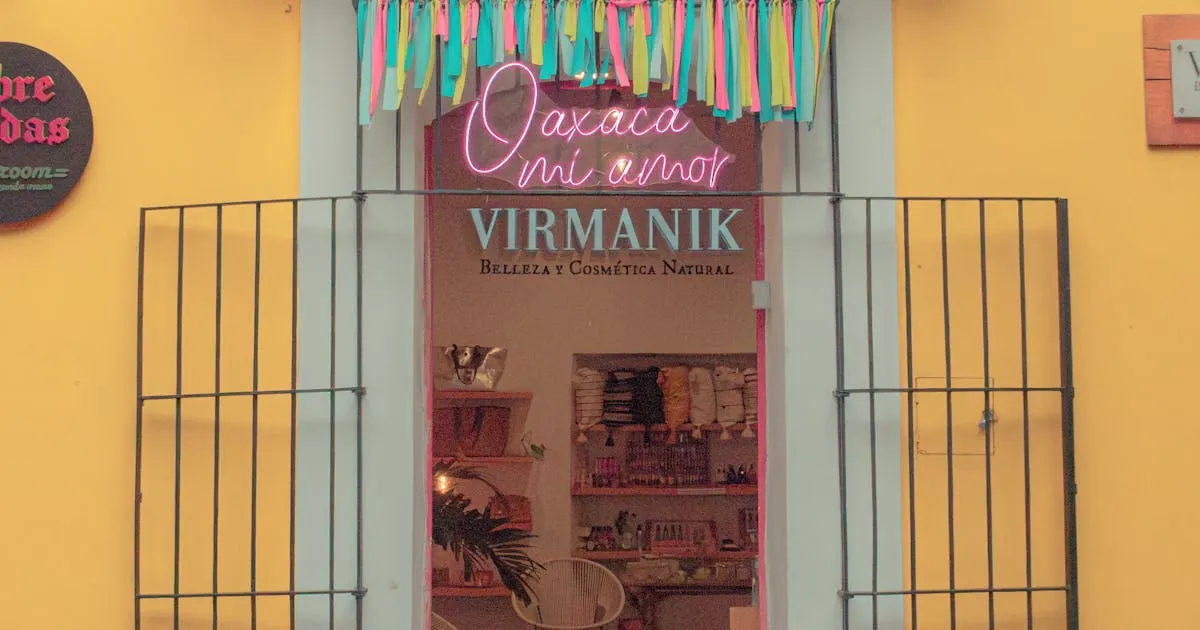
Oaxaca and San Miguel de Allende are two of Mexico’s most celebrated colonial cities. Both hold UNESCO World Heritage status, draw travelers with colorful architecture and walkable historic centers, and deliver rich cultural experiences. But beyond the surface similarities, they offer fundamentally different trips — different food, cultural depth, price points, and vibes.
If you are choosing between them (or deciding which to visit first), this honest comparison covers everything that matters: food, culture, cost, weather, the expat scene, safety, day trips, and the intangible feeling of each city.
The Quick Comparison
| Factor | Oaxaca | San Miguel de Allende |
|---|---|---|
| Elevation | 1,550 m (5,085 ft) | 1,910 m (6,267 ft) |
| Population | ~300,000 (city) | ~70,000 (city) |
| State | Oaxaca (southern Mexico) | Guanajuato (central Mexico) |
| UNESCO status | Since 1987 | Since 2008 |
| Known for | Food, indigenous culture, mezcal, crafts | Colonial architecture, art galleries, expat life |
| Nearest beach | Puerto Escondido (6-7 hrs) or Huatulco (5 hrs) | None (central highlands) |
| International airport | Oaxaca (OAX), 20 min from center | León/Bajío (BJX), 1.5 hrs from center |
| Cost level | Moderate | Moderate to high |
Food: Oaxaca Wins Decisively
This is not a close contest. Oaxaca is widely considered the culinary capital of Mexico, and its food scene is one of the richest and most distinctive in the Americas. The state’s indigenous culinary traditions — seven moles, tlayudas, chapulines, tamales wrapped in banana leaf, artisanal chocolate, mezcal, quesillo, tejate — are not borrowed from elsewhere. They were born here, refined over centuries, and remain deeply rooted in daily life.
In Oaxaca, extraordinary food is everywhere: in the markets (Mercado 20 de Noviembre, Mercado Benito Juárez, Mercado de Abastos), in family-run comedores, at street stalls, and at world-class restaurants like Origen, Criollo, and Los Danzantes. A meal at a market comedor costs 60-120 MXN ($3-$7 USD). A tasting menu at a top restaurant costs 1,200-2,500 MXN ($65-$135 USD). Both are memorable.
Oaxaca also claims mezcal — the artisanal agave spirit produced in palenques (small distilleries) across the state. The mezcal bar scene in the Centro Histórico is unmatched, with dozens of mezcalerías offering tastings of rare, small-batch spirits.
San Miguel de Allende has a good restaurant scene, and it has improved significantly in recent years with the arrival of chef-driven establishments. You will find excellent Mexican cuisine, Italian trattorias, French-influenced bistros, and inventive fusion restaurants. The dining is polished and cosmopolitan.
But San Miguel’s food is more international than indigenous. The deep, region-specific culinary identity that defines Oaxaca is not as pronounced in Guanajuato’s food tradition. San Miguel’s restaurant scene caters in part to its large foreign community, which means quality is high but cultural specificity is lower.
The verdict: If food is a major reason you travel, Oaxaca is the clear choice. If you prefer a more international dining scene with familiar options alongside good Mexican cuisine, San Miguel serves you well.
Culture and Indigenous Heritage
This is where the two cities diverge most profoundly.
Oaxaca is home to 16 indigenous groups — Zapotec, Mixtec, Mazatec, Chinantec, Mixe, and more — making it the most ethnically diverse state in Mexico. Indigenous culture is not a historical exhibit; it is the living fabric of daily life. You hear Zapotec and Mixtec spoken in the markets. You see women in traditional huipiles going about their days. The festivals — Guelaguetza, Day of the Dead, the Velas of the Isthmus — are community celebrations rooted in centuries-old traditions, not performances staged for tourists.
Oaxaca’s artisan traditions — black pottery (barro negro), hand-woven textiles, alebrijes (painted wood carvings), mezcal production — are inseparable from indigenous knowledge systems. Visiting artisan villages like Teotitlán del Valle, San Bartolo Coyotepec, and San Martín Tilcajete connects you to living craft traditions with pre-Hispanic roots.
The archaeological sites add another dimension: Monte Albán (Zapotec capital, 500 BC - 750 AD) and Mitla (Zapotec religious center with extraordinary stone mosaics) are within easy day-trip distance.
San Miguel de Allende’s culture is rooted in its colonial heritage. The city was founded by Spanish settlers in the 16th century and played an important role in Mexico’s War of Independence — it is named for independence hero Ignacio Allende. The architecture is gorgeous: the pink-stone Parroquia de San Miguel Arcángel, the stately colonial mansions, and the cobblestone streets are photogenic from every angle.
San Miguel has a strong arts scene, with dozens of galleries, art workshops, and cultural centers. The city’s art community dates to the mid-20th century, when American and Canadian artists and writers established creative communities here. Today, San Miguel hosts international art festivals, literary events, and workshops in painting, photography, and ceramics.
However, indigenous culture is less visible in San Miguel compared to Oaxaca. The Otomí and Chichimeca communities in the surrounding region maintain their traditions, but the city center is more mestizo and international in character.
The verdict: Oaxaca offers deeper indigenous cultural immersion and a more multifaceted cultural experience. San Miguel excels in colonial architecture and the visual arts.
Cost of Living and Travel Budget
Oaxaca is generally more affordable than San Miguel de Allende, particularly for food, accommodation, and activities.
| Category | Oaxaca | San Miguel de Allende |
|---|---|---|
| Budget hotel/hostel | 300-600 MXN ($16-$32) | 500-900 MXN ($27-$49) |
| Mid-range hotel | 1,200-2,500 MXN ($65-$135) | 2,000-4,000 MXN ($108-$216) |
| Boutique/luxury hotel | 3,500-8,000 MXN ($189-$432) | 5,000-15,000 MXN ($270-$810) |
| Market meal | 60-120 MXN ($3-$7) | 80-150 MXN ($4-$8) |
| Mid-range restaurant dinner | 200-500 MXN ($11-$27) | 350-800 MXN ($19-$43) |
| Fine dining | 1,200-2,500 MXN ($65-$135) | 1,500-3,500 MXN ($81-$189) |
| Mezcal/cocktail | 80-150 MXN ($4-$8) | 120-250 MXN ($7-$14) |
| Museum admission | Free to 90 MXN ($0-$5) | Free to 100 MXN ($0-$5) |
| Day trip/tour | 400-1,200 MXN ($22-$65) | 500-1,500 MXN ($27-$81) |
San Miguel’s higher prices reflect its smaller size, its popularity with affluent foreign residents and tourists, and the general cost structure of the Bajío region. Oaxaca benefits from a larger local economy that keeps prices grounded in local purchasing power.
The verdict: Oaxaca offers significantly more value for money, especially for food and accommodation. Budget travelers will find Oaxaca considerably more accessible. Mid-range and luxury travelers will find good options in both cities, but Oaxaca delivers more for each peso spent.
Weather and Climate
Both cities have pleasant climates, but with meaningful differences.
Oaxaca sits at 1,550 meters (5,085 feet) in a semi-arid valley. The climate is warm and dry for most of the year:
- Dry season (October-May): Sunny, 25-30 C (77-86 F) daytime, 10-15 C (50-59 F) nighttime. Very little rain.
- Rainy season (June-September): Morning sun, afternoon thunderstorms that clear by evening. Temperatures remain similar. Humidity increases.
San Miguel de Allende sits higher at 1,910 meters (6,267 feet), which makes it slightly cooler:
- Dry season (October-May): Sunny, 22-28 C (72-82 F) daytime, 5-12 C (41-54 F) nighttime. Nights can be genuinely cold, especially December through February.
- Rainy season (June-September): Similar pattern to Oaxaca — afternoon rains with sunny mornings. Slightly cooler overall.
The verdict: Both are comfortable. Oaxaca is slightly warmer, especially at night. San Miguel’s higher elevation means cooler evenings and colder winters — bring layers if visiting November through February. Oaxaca’s warmer nights make evening strolling and outdoor dining more comfortable year-round.
The Expat Scene
Both cities have significant foreign communities, but the character of each is quite different.
San Miguel de Allende has one of the largest and most established expat communities in Mexico. Estimates suggest 10,000 to 15,000 foreign residents (mostly American and Canadian), representing a significant percentage of the city’s population. The expat infrastructure is highly developed: English-language newspapers, international social clubs, organized volunteer programs, English-speaking doctors and lawyers, and a social calendar filled with gallery openings, charity events, and cultural programming.
The expat community in San Miguel skews older and more affluent — many residents are retirees who have made San Miguel their permanent or part-time home. The infrastructure that supports them also makes San Miguel very comfortable for English-speaking tourists who want a culturally rich experience without a language barrier.
Oaxaca has a growing but smaller foreign community, with perhaps 3,000 to 5,000 foreign residents. The community tends to be younger, more diverse, and more oriented toward creative work, social impact, and culinary arts. You will find writers, chefs, artists, textile researchers, language students, and remote workers. The expat scene is less organized and less insular than San Miguel’s — foreign residents in Oaxaca tend to integrate more deeply into Mexican social and cultural life.
For travelers, this means Oaxaca feels more “Mexican” in its daily rhythms, while San Miguel can sometimes feel like a Mexican-American hybrid. Neither is inherently better — it depends on what you want from your experience.
The verdict: San Miguel offers a more comfortable landing for travelers who want English-language accessibility and established international social infrastructure. Oaxaca offers a more immersive Mexican experience with a less prominent foreign presence.
Safety
Both cities are considered safe by Mexican standards, and millions of tourists visit both each year without incident.
Oaxaca has a low crime rate for tourists. The Centro Histórico is well-patrolled and walkable day and night. The main concerns are petty theft (pickpocketing in crowded markets) and occasional political protests that can temporarily block streets. Standard precautions apply: do not flash expensive items, use hotel safes, and be cautious in unfamiliar neighborhoods after dark.
San Miguel de Allende is also very safe. Its compact size, affluent community, and heavy tourist presence contribute to strong security infrastructure. The same standard precautions apply.
Both cities are significantly safer than larger Mexican cities like Mexico City, Guadalajara, or Monterrey. Neither is in a region affected by cartel-related violence that impacts some other parts of the country.
The verdict: Both are safe for travelers exercising normal precautions. Neither has a significant advantage over the other in this category.
Day Trips and Excursions
From Oaxaca:
- Monte Albán: Ancient Zapotec capital, 10 km (6 miles) away. UNESCO World Heritage Site.
- Mitla: Zapotec religious center with stunning stone mosaics, 46 km (29 miles) east.
- Hierve el Agua: Petrified waterfalls and natural infinity pools, 70 km (44 miles) east.
- Artisan villages: Teotitlán del Valle (rugs), San Bartolo Coyotepec (black pottery), San Martín Tilcajete (alebrijes).
- Sierra Norte: Cloud forest hiking in the Pueblos Mancomunados.
- Mezcal country: Palenque tours in Santiago Matatlán and surrounding villages.
- El Tule: The widest tree in the world by trunk circumference, 13 km (8 miles) east.
From San Miguel:
- Guanajuato City: Another UNESCO colonial city, about 1.5 hours away. Stunning architecture, university town energy, underground street network.
- Dolores Hidalgo: Birthplace of Mexican independence, about 45 minutes away. Known for its artisan Talavera pottery and exotic ice cream flavors.
- Atotonilco: The “Sistine Chapel of Mexico” — a small church covered in elaborate frescos, 14 km (9 miles) north.
- Wine country: The emerging wine region around San Miguel and Querétaro offers vineyard tours and tastings.
- Querétaro: Historic city with excellent food and architecture, about 1 hour south.
The verdict: Oaxaca offers more variety and depth in day trips — the combination of archaeological sites, artisan villages, natural wonders, and mezcal country is hard to match. San Miguel’s excursions are more focused on colonial history and emerging wine culture. Both sets of day trips are excellent.
Architecture and Visual Beauty
Both cities are extraordinarily beautiful, but in different ways.
Oaxaca is built from green cantera stone, giving the city a distinctive warm, earthy palette. The architecture mixes colonial grandeur (Santo Domingo, the Basilica de la Soledad) with indigenous cultural markers — murals, street art, and the colorful visual chaos of the markets. Oaxaca feels layered and textured, with pre-Hispanic foundations visible beneath colonial structures.
San Miguel de Allende is arguably the more photogenic city at first glance. The pink Parroquia dominates the skyline, and the uniformly well-maintained colonial facades in terracotta, ochre, and pink create a visual harmony that is almost impossibly charming. The cobblestone streets, wrought-iron balconies, and manicured courtyards are designed for photographs.
The difference is this: Oaxaca’s beauty includes rougher edges and organic complexity. San Miguel’s beauty is more polished and curated. Both are stunning, but they appeal to different aesthetic sensibilities.
The verdict: San Miguel may win on pure “Instagram-ready” visual polish. Oaxaca wins on cultural depth and the beauty of imperfection. It depends on what moves you.
The Vibe
This is subjective, but it matters.
Oaxaca feels alive in a way that is hard to describe until you experience it. The energy comes from the constant interplay between indigenous traditions and contemporary creativity — from the grandmother selling chapulines in the market to the young chef reimagining mole negro in a modern tasting menu, from the brass band playing at a calenda procession to the graphic artist stenciling a political mural on a back street. Oaxaca is simultaneously ancient, contemporary, political, artistic, spiritual, and delicious. It is a place that challenges and rewards you in equal measure.
San Miguel de Allende feels refined and welcoming. The pace is gentle, the aesthetics are carefully maintained, and the international community creates a cosmopolitan atmosphere that makes newcomers feel immediately at home. San Miguel is excellent at comfort — the hotels are polished, the restaurants are sophisticated, and the social infrastructure makes it easy to settle in. It is a place that embraces you warmly and asks little in return.
The verdict: Oaxaca is for travelers who want to be stirred, challenged, and transformed. San Miguel is for travelers who want to be charmed, relaxed, and nourished. Both are valid ways to travel.
So Which Should You Choose?
Choose Oaxaca if:
- Food is a top priority for your trip
- You want deep engagement with indigenous cultures
- You are interested in pre-Hispanic history and archaeology
- You want to visit artisan communities and see traditional crafts
- You are on a tighter budget
- You plan to combine your visit with a beach trip (Puerto Escondido or Huatulco are reachable)
- You enjoy mezcal or want to learn about it at the source
- You want a more immersive, less international experience
Choose San Miguel de Allende if:
- Colonial architecture is a major draw for you
- You prefer a more polished, cosmopolitan atmosphere
- English-language accessibility is important to you
- You want to combine your visit with Guanajuato City and other colonial cities
- You are interested in wine country and contemporary art galleries
- You are looking for a relaxing, low-effort cultural experience
- You prefer a smaller, more intimate city
Choose both if you can. A week in Oaxaca followed by a few days in San Miguel (or vice versa) gives you a rich cross-section of Mexican culture, history, and beauty. Direct flights connect Oaxaca City to Mexico City (1 hour), from where you can take a bus or drive to San Miguel (about 3.5 to 4 hours). Alternatively, Volaris and VivaAerobus sometimes operate routes between Oaxaca and León (the nearest airport to San Miguel).
Both cities are among the finest destinations in the Americas. You cannot make a bad choice. But if this is your first trip to Mexico and you can only choose one, Oaxaca delivers the more complete, more distinctly Mexican, more challenging, and more unforgettable experience.
Continue planning your Oaxaca trip: